Limestone Caves of Los Haitises National Park: Natural Formations, Cave Exploration and Visitor Guidelines
The limestone caves of Los Haitises National Park are among the area's most fascinating natural and cultural attractions. Hidden within a landscape of tropical vegetation, coastal cliffs and limestone formations, these caves offer visitors an opportunity to discover the geological character of the park and learn about the history of the Indigenous Taíno people.
Some caves contain pictographs and petroglyphs that provide evidence of human activity in the region before European colonization. Others are interesting for their natural rock formations, chambers and relationship with the surrounding coastal environment.
A cave visit can be an unforgettable part of a Los Haitises excursion, but it requires preparation and respect. Access varies between caves, and safety conditions can change. Visitors should confirm which cave is currently open and included in their tour rather than assuming every well-known cave is accessible.
This guide introduces the caves, explains their natural and cultural importance, and provides practical advice for planning a responsible visit.
1. Why Are There Limestone Caves in Los Haitises?
Los Haitises is known for its distinctive limestone landscape. Limestone is a rock that can gradually dissolve when exposed to slightly acidic water over long periods.
Rainwater absorbs carbon dioxide as it passes through the atmosphere and soil. This creates a weak natural acid that can slowly dissolve limestone along cracks and openings.
Over time, these processes can create underground spaces and caves.
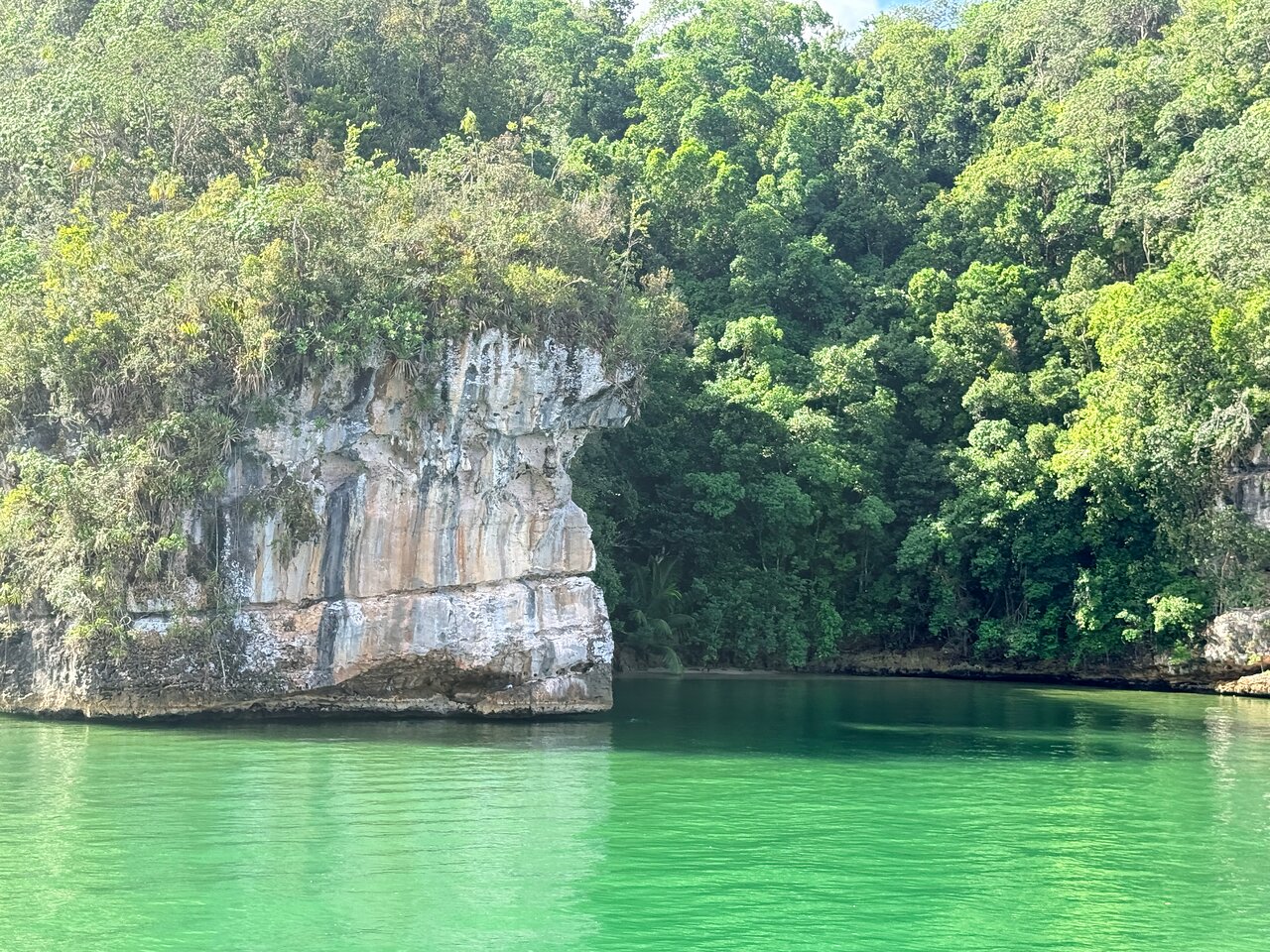
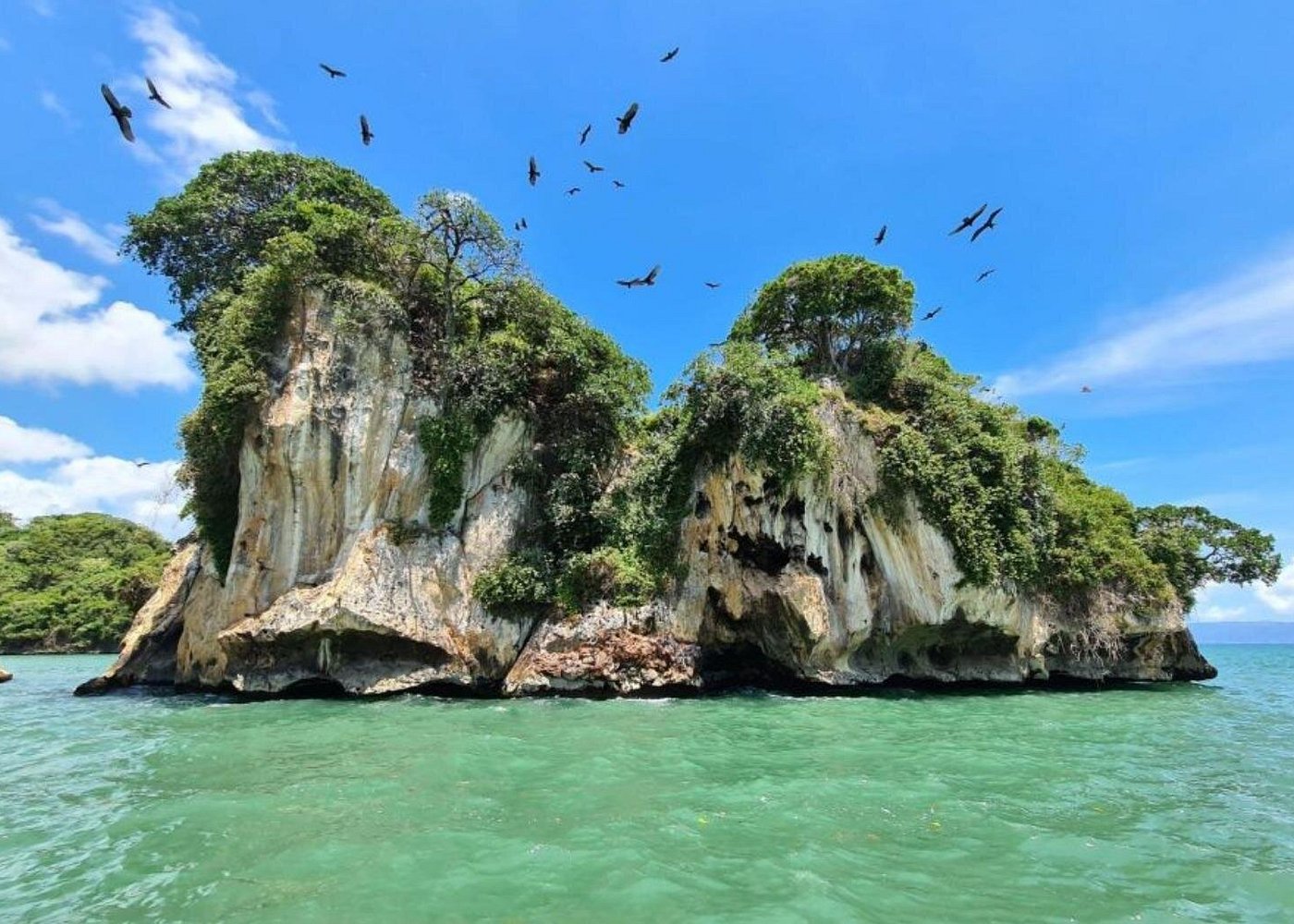
The geological landscape of Los Haitises includes:
- Limestone hills and rocky formations
- Natural openings and cave entrances
- Underground cavities and passages
- Rocky coastal cliffs
- Vegetation growing across limestone surfaces
This type of terrain is known as a karst landscape. It is one of the features that gives Los Haitises its distinctive appearance.
The caves are not all identical. Their size, shape, internal conditions and cultural features differ from one location to another.
2. Cueva de la Arena: A Well-Known Coastal Cave
Cueva de la Arena is one of the recognized cave attractions in Los Haitises National Park.
Its coastal setting makes it particularly interesting. The cave is associated with a small beach and a rocky shoreline along the Bay of Samaná.
The cave is known for its limestone interior and archaeological features. Historical documentation identifies pictographs, petroglyphs and bas-reliefs inside the cave.
What Makes Cueva de la Arena Interesting?
Visitors interested in natural scenery may appreciate the relationship between the cave, the surrounding rock and the coastal landscape.
The cave is also important for its cultural heritage. The recorded images and carvings provide evidence of Indigenous artistic activity in the region.
The cave's coastal position creates a different atmosphere from caves located farther within the landscape.
What Should Visitors Know?
Cueva de la Arena is commonly associated with boat-based excursions, but the exact approach and landing arrangements depend on current tour operations and access conditions.
Before booking, ask whether the cave is included, whether visitors are permitted to enter and what walking conditions to expect.
Do not assume that a general Los Haitises boat tour automatically includes a cave visit.
3. Cueva de San Gabriel: Natural Formations and Cultural Heritage
Cueva de San Gabriel is another recognized cave within Los Haitises.
The cave is notable for its natural limestone environment and archaeological features. Historical park documentation records rock carvings and paintings associated with the cave.
Its significance comes from both the natural environment and the evidence of past human activity.
Natural Cave Features
A limestone cave can contain different rock surfaces and formations created through long-term geological processes.
Depending on the cave, visitors may notice:
- Uneven limestone walls
- Natural openings
- Darker interior sections
- Rock surfaces shaped by water
- Differences in light between the entrance and deeper areas
Not every cave contains the same formations. Visitors should avoid assuming that stalactites, stalagmites or other features occur in every chamber.
Cultural Importance
Cueva de San Gabriel is included in the park's documented archaeological heritage.
Visitors should treat the cave as a protected cultural site. Rock carvings and paintings should never be touched, scratched or marked.
If the cave is included in an authorized excursion, ask the guide to explain its historical importance and the rules for viewing its features.
4. Cueva de la Línea: A Significant Archaeological Cave
Cueva de la Línea, also known historically as Cueva del Ferrocarril or Cueva del Templo, is one of the best-known archaeological caves in Los Haitises.
It is particularly recognized for its Taíno rock art.
The park management plan published for the 2012–2017 period identified this cave as an important location for rock paintings and archaeological remains. That historical document recorded more than 950 visible paintings at the time of its preparation.
These records demonstrate the cave's cultural significance, but the number should not be treated as a current condition survey.
Why Is the Cave Important?
The cave contains evidence of Indigenous artistic expression. Its paintings and other archaeological features help researchers and visitors understand the historical relationship between people and the landscape.
The cave's cultural value makes conservation especially important.
Current Visitor Access: Important Notice
The Dominican Republic's Ministry of Environment announced on June 23, 2026, that Cueva de la Línea was temporarily closed.
The decision followed inspections that identified deterioration of the access pier, including damaged wooden sections and unstable handrails. The Ministry stated that the cave would remain closed while the necessary work was assessed and completed to ensure safe public access.
Do not assume that Cueva de la Línea has reopened simply because it appears in older guidebooks, websites or tour descriptions. Check the latest official information and confirm directly with the operator or park administration before planning a visit.
The announced closure concerned Cueva de la Línea. It did not mean that the entire national park or every other visitor area was closed.
5. Taíno Cave Art: Understanding the Cultural Heritage
One of the most meaningful aspects of the caves in Los Haitises is their connection with the Indigenous Taíno people.
Taíno communities lived throughout parts of the Caribbean before European colonization. Their artistic traditions included paintings and carvings on rock surfaces.
These forms of rock art are commonly described using two terms.
Pictographs are images created by applying pigment to a surface.
Petroglyphs are images or designs made by carving, engraving or scratching a rock surface.
Some caves in Los Haitises contain examples of these archaeological features.
Why Is Cave Art Important?
Cave art provides evidence of past human activity and artistic expression. It can help researchers investigate the cultural history of the region.
However, the precise meaning of an individual symbol is not always known. Visitors should be careful about treating every image as a confirmed representation of a particular person, deity or event.
A knowledgeable guide can explain the documented archaeological significance without presenting speculation as fact.
How Can Visitors Protect Cave Art?
- Never touch paintings or carvings.
- Do not scratch or mark rock surfaces.
- Do not remove stones or archaeological objects.
- Follow photography instructions.
- Stay within the visitor route.
- Do not use equipment that could damage the cave.
- Follow the guide's instructions throughout the visit.
Even small actions can contribute to the deterioration of fragile archaeological features.
6. Natural Formations Inside Limestone Caves
The interior of a limestone cave can look very different from the landscape outside.
Caves develop over long periods, and their internal features depend on local geology and water movement.
Visitors may encounter natural characteristics such as:
Rock walls: Limestone surfaces can have irregular textures, cracks and natural patterns.
Cave openings: Some caves have openings that allow natural light to enter.
Shaded chambers: Areas away from entrances can be darker and may require additional lighting where permitted.
Water-related features: Moisture can affect cave surfaces and contribute to geological processes.
Uneven floors: Natural cave floors may contain rocks, sand or other irregular surfaces.
Not every feature is present in every cave. The experience depends on the specific cave and the authorized visitor route.
7. Wildlife in and Around the Caves
Caves can provide shelter for certain animals. Bats are among the best-known mammals associated with cave environments.
The surrounding forest and coastal habitats also support birds, reptiles, insects and other wildlife.
During a visit, visitors may notice:
- Bats in suitable cave environments
- Insects near the entrance
- Birds around the surrounding vegetation
- Small animals in nearby forest habitats
Wildlife sightings are not guaranteed. Some animals are active at night or remain hidden in inaccessible areas.
Never shine lights directly at animals for extended periods, touch them or attempt to remove them from the cave.
The best way to observe wildlife is quietly and from a respectful distance.
8. What Is a Cave Visit Like?
A cave visit can offer a different experience from exploring the park's open coastal scenery.
Visitors move from the surrounding landscape into a more enclosed environment where natural rock formations and archaeological features may become visible.
Depending on the cave and current access arrangements, an authorized visit may involve:
- Approaching the cave by boat or an approved route
- Walking from an authorized landing area
- Entering a cave with a guide where permitted
- Observing natural rock surfaces
- Learning about Taíno heritage
- Viewing approved archaeological features
- Returning to the main excursion route
The length and difficulty of a cave visit vary. Ask the operator about the actual route rather than relying on a general description of a cave tour.
9. What Should You Wear for Cave Exploration?
Suitable clothing and footwear can make a cave visit more comfortable.
Wear Closed Shoes
Choose footwear with good grip. Smooth-soled shoes and loose sandals may be unsuitable for uneven or damp surfaces.
Choose Comfortable Clothing
Lightweight clothing is practical in the tropical climate. Avoid clothing that restricts movement.
Protect Your Belongings
A small waterproof bag can help protect your phone, camera and other personal belongings from moisture.
Bring Only Necessary Items
Avoid carrying bulky equipment through narrow or uneven areas. Follow any restrictions set by the guide or park authority.
Ask About Lighting
Some caves may have darker areas. Ask the operator whether lighting is provided and whether personal flashlights are permitted.
Never assume that visitors can use a flashlight, tripod or other equipment without restrictions.
10. Cave Photography: Respect the Environment
Caves can offer interesting photographic subjects, including limestone textures, natural openings and archaeological features.
However, photography should never come before conservation.
Before taking photographs, ask the guide whether photography is permitted and whether flash is allowed.
Useful photography subjects may include:
- Natural cave entrances
- Limestone wall textures
- Light entering through openings
- Approved views of the cave interior
- Surrounding coastal scenery
- Authorized archaeological displays
Avoid touching rock surfaces to position your camera. Do not move objects or step outside the visitor route to obtain a better angle.
If flash photography is restricted, follow that rule even when the camera produces a darker image.
11. Are Cave Visits Suitable for Families?
Some cave excursions may be suitable for families, but suitability depends on the individual cave, route and visitor conditions.
Parents should ask:
- Is the cave currently open to visitors?
- How much walking is involved?
- Are there stairs or uneven surfaces?
- Is the cave entrance easy to reach?
- Are there low ceilings or narrow passages?
- Is the route suitable for young children?
- Are there restrictions for visitors with mobility limitations?
Children should remain with their parents and guide throughout the visit.
If a cave route is unsuitable for a family member, ask whether the excursion offers an alternative activity.
12. Food, Refreshments and Visitor Facilities
Food and facilities are not necessarily available inside or beside every cave.
A cave visit is usually part of a wider excursion, so meal arrangements depend on the operator and itinerary.
Before booking, confirm:
- Whether drinking water is included
- Whether snacks are provided
- Whether lunch is included
- Whether bathrooms are available along the route
- Whether there is a place to rest
- Whether transportation is included
- Whether the tour includes a cave entrance or guided explanation
Never assume that restaurants, shops or bathrooms are available at every cave location.
Do not eat inside a cave unless the guide specifically confirms that it is permitted. Take all packaging and rubbish away with you.
13. Safety Guidelines for Cave Visitors
Caves are natural environments, not indoor attractions with uniform floors and lighting.
Visitors should follow safety instructions carefully.
Stay with the group. Do not explore passages independently.
Watch your footing. Natural surfaces may be uneven, slippery or covered with loose material.
Respect barriers. Never cross a restricted section or enter an area closed to visitors.
Do not touch archaeological features. Paintings and carvings are part of the protected heritage.
Avoid loud noise. Quiet behaviour reduces disturbance to wildlife and improves the experience for other visitors.
Follow lighting instructions. Use only the lighting equipment permitted by the guide.
Do not enter during unsafe conditions. Weather, water levels and infrastructure conditions can affect access.
Follow official closures. A cave that appears in an old tour itinerary may no longer be open.
If you feel uncomfortable in enclosed spaces, discuss this with your operator before booking.
14. How to Choose a Responsible Cave Tour
Not every excursion offers the same cave experience.
A responsible operator should be able to explain which cave is included, whether access is currently authorized and what visitors can expect.
Before confirming a booking, ask:
- Which specific cave does the itinerary include?
- Is that cave currently open to the public?
- Is the visit guided?
- How long does the cave stop last?
- What walking conditions should visitors expect?
- Are there age or mobility considerations?
- Are photography restrictions in place?
- What happens if the cave is closed on the day?
A clear answer to these questions can help you avoid disappointment and choose an excursion that respects the protected area.
15. Combining a Cave Visit with Other Los Haitises Experiences
Caves are only one part of Los Haitises National Park.
Depending on current access and the tour package, visitors may be able to combine a cave visit with other activities.
Mangrove Boat Tours
Boat excursions can introduce visitors to the park's coastal scenery and mangrove channels.
Wildlife Observation
The park's different habitats support a variety of wildlife. Visitors can observe animals without approaching or disturbing them.
Nature Photography
Limestone formations, tropical vegetation and coastal landscapes provide a range of photography opportunities.
Guided Nature Experiences
Some excursions may include walking or other educational activities. Confirm the specific route and inclusions before booking.
Not every tour includes all these activities. The operator's confirmed itinerary should guide your planning.
16. Why the Caves Are Important to Los Haitises
The limestone caves of Los Haitises are important because they combine natural and cultural value.
Their geological features reveal part of the region's natural history, while archaeological paintings and carvings preserve evidence of Indigenous cultural activity.
These caves also form part of a wider protected landscape that includes forests, mangroves, limestone hills and coastal habitats.
For visitors, they provide an opportunity to understand Los Haitises beyond its scenery. A responsible cave visit can be both an educational and memorable experience.
Frequently Asked Questions
Does Los Haitises National Park have limestone caves?
Yes. The park contains several recognized limestone caves, including Cueva de la Arena, Cueva de San Gabriel and Cueva de la Línea.
Which cave is famous for Taíno rock art?
Cueva de la Línea is especially well known for its extensive record of Taíno rock paintings. Other caves, including Cueva de la Arena and Cueva de San Gabriel, also have documented archaeological features.
Is Cueva de la Línea open to visitors?
The Ministry of Environment announced a temporary closure on June 23, 2026, because of deterioration of the access pier. Visitors should check the latest official reopening information before planning a visit.
Can visitors explore Cueva de la Arena?
Cueva de la Arena is a recognized attraction in Los Haitises. However, current access, landing arrangements and tour availability should be confirmed with an authorized operator.
Are the caves natural?
Yes. The caves are associated with the park's limestone karst landscape, which has developed through natural geological processes over long periods.
Can visitors touch Taíno paintings and carvings?
No. Visitors should never touch, scratch or damage archaeological features. Follow all conservation instructions.
Is cave photography allowed?
Photography rules may vary by cave and current visitor regulations. Ask the guide whether photography and flash are permitted before taking pictures.
What footwear is best for a cave visit?
Closed shoes with good grip are generally a practical choice because cave floors and approaches may be uneven or damp.
Are cave visits suitable for children?
Suitability depends on the cave, walking conditions and the child's age and abilities. Ask the operator about the route before booking.
Do all Los Haitises tours include caves?
No. Tour itineraries vary. Confirm the specific cave and activity with the operator rather than assuming a cave visit is included.
Final Thoughts
The limestone caves of Los Haitises National Park reveal a fascinating combination of natural formations and cultural heritage. From the coastal setting of Cueva de la Arena to the documented archaeological importance of Cueva de San Gabriel and Cueva de la Línea, the caves contribute to the park's unique identity.
However, a memorable visit should always be a responsible one. Check current access conditions, respect official closures, follow your guide and protect the fragile archaeological features.
Plan your excursion around the caves that are actually open and authorized for visitors. This helps protect the heritage of Los Haitises while allowing you to enjoy one of the Dominican Republic's most remarkable natural landscapes.
Local explorer & expert guide in Whale Miches.