Limestone Mogotes of Los Haitises National Park: Iconic Green Hills, Coastal Views and Nature Photography
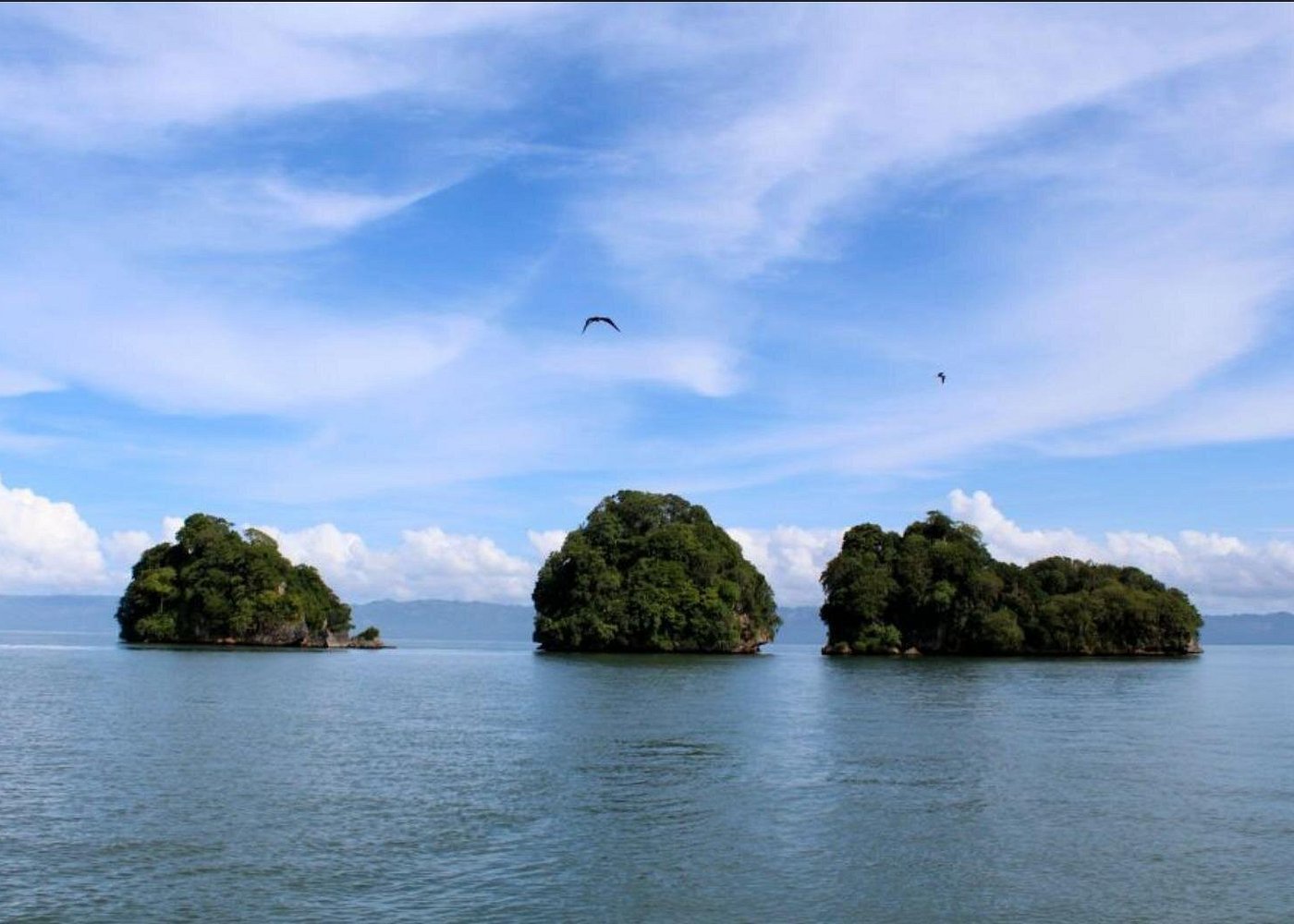
The limestone mogotes of Los Haitises National Park create one of the most recognizable landscapes in the Dominican Republic. These unusual hills rise above the surrounding lowlands and coastal waters, often covered in dense tropical vegetation. Their rounded and steep-sided shapes make the park look very different from the sandy beaches and flat coastal scenery commonly associated with the Caribbean.
For visitors, the mogotes are an important part of the Los Haitises experience. They can be admired during boat excursions, photographed from the water and appreciated as part of the park's wider natural landscape.
These formations are not simply attractive hills. They are part of a tropical karst landscape shaped by limestone, water and geological processes over a long period.
This guide explains what the mogotes are, how they developed, what makes their scenery distinctive and how visitors can enjoy the landscape responsibly.
1. What Are the Mogotes of Los Haitises?
Mogotes are distinctive hills or elevated rock formations associated with karst landscapes. In Los Haitises, they are formed mainly from limestone and are among the defining features of the region.
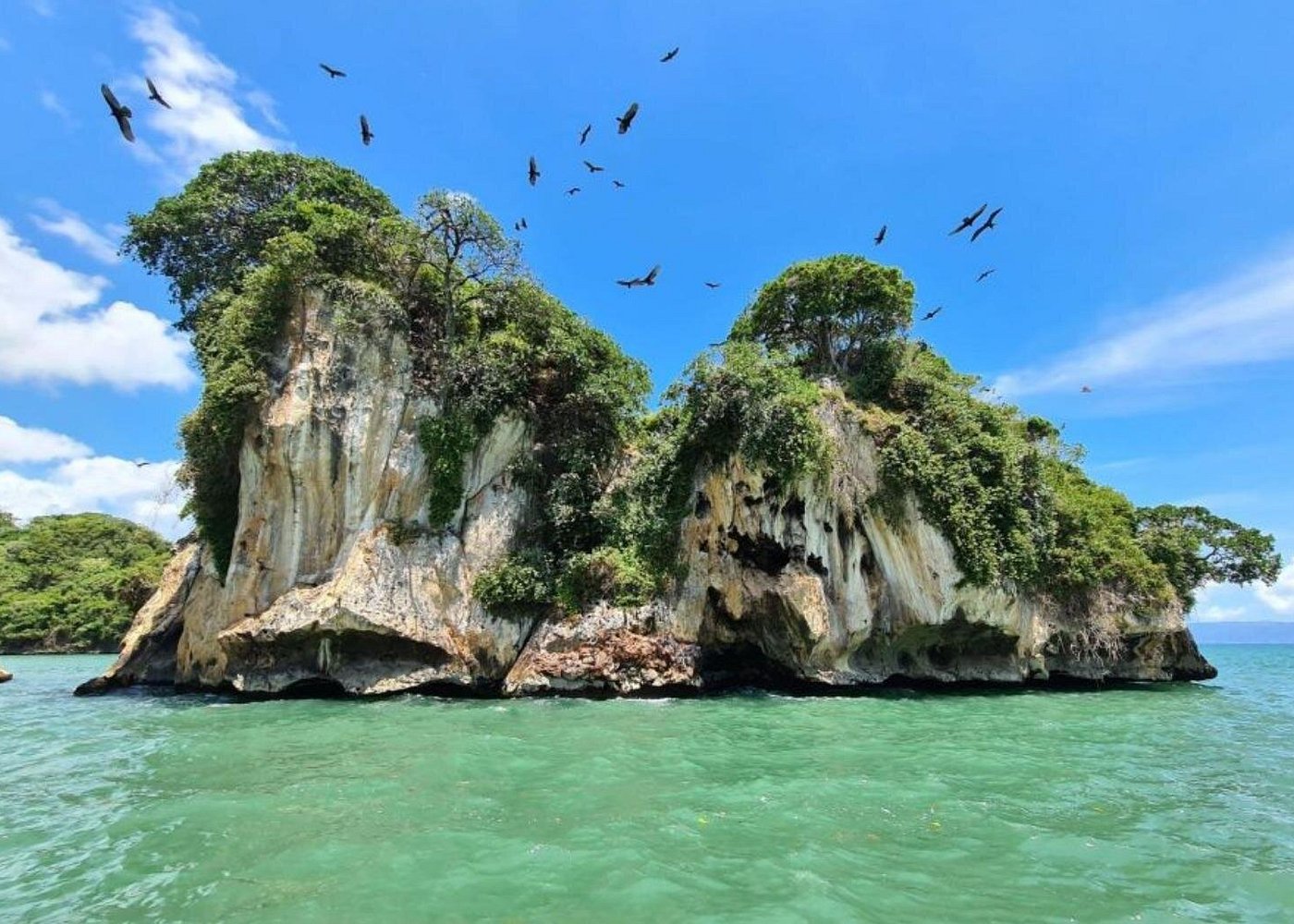
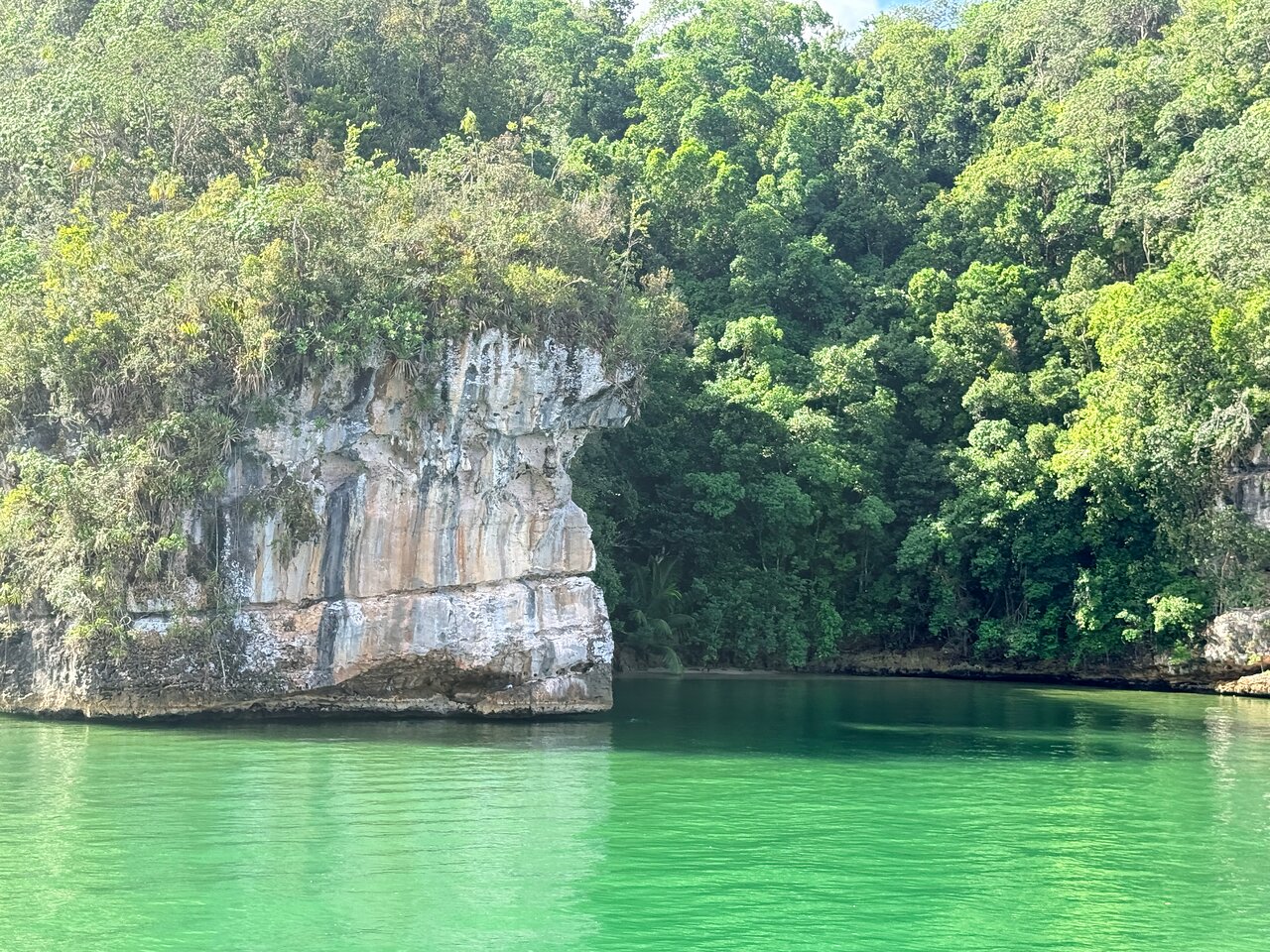
Many have steep sides and rounded or irregular upper profiles. Their surfaces are often covered with tropical vegetation, creating the appearance of green hills rising above the surrounding landscape.
The formations vary in size and shape. Some appear as isolated hills, while others form part of a wider group of limestone elevations.
The word mogote is commonly used in the Caribbean to describe this type of limestone landform.
In Los Haitises, the mogotes help create the unusual scenery that visitors recognize from photographs of the national park.
2. How Did the Limestone Mogotes Form?
The mogotes developed through geological processes involving limestone and water.
The region is part of a tropical karst landscape. Karst terrain forms when water gradually dissolves soluble rock, especially limestone, creating irregular surfaces, depressions, hills and underground cavities.
The development of the Los Haitises landscape involved several long-term processes.
Limestone Formation
Limestone is a sedimentary rock composed mainly of calcium carbonate. Much limestone originates from the accumulation of carbonate material in marine environments.
The geological history of the Los Haitises region includes ancient marine limestone deposits.
Exposure to Rainwater
Over time, rainwater interacted with the exposed limestone. Water entering cracks and weaknesses in the rock gradually dissolved some of the material.
Development of Karst Relief
As dissolution and erosion continued, the landscape developed a distinctive pattern of hills and depressions.
The remaining elevated limestone areas form the mogotes seen today.
Vegetation Growth
Tropical vegetation developed across suitable surfaces, covering many of the formations with green forest.
The result is a landscape where limestone and vegetation appear closely connected.
These processes took place over geological timescales. The hills were not created by a single event or by recent weather conditions.
3. Why Do the Mogotes Have Such Unusual Shapes?
The shapes of the mogotes are influenced by the structure of the limestone and the way water interacts with it.
Unlike ordinary hills formed mainly from layers of soil and other rock types, karst hills develop through the uneven dissolution of limestone.
This can produce:
- Rounded or irregular hilltops
- Steep slopes
- Narrow spaces between elevated formations
- Deep depressions
- Exposed limestone surfaces
- Natural openings and caves in the wider landscape
The mogotes do not all have identical shapes. Their appearance depends on local geological conditions and the history of weathering and dissolution.
When viewed from the water, the hills may look like individual green islands, even though they are part of a much larger limestone landscape.
4. Green Vegetation Covering the Limestone Hills
One of the most attractive features of the Los Haitises mogotes is the tropical vegetation that covers many of their surfaces.
Trees, shrubs and other plants grow across suitable parts of the limestone terrain. From a distance, this vegetation creates a continuous green appearance.
The forest cover is important for more than scenery.
It provides habitat for wildlife, contributes to the park's biodiversity and forms part of the wider tropical forest environment.
During a visit, look for differences in vegetation between the tops, slopes and lower areas of the formations.
Some surfaces appear densely covered with trees, while exposed rock may be visible in other places.
Visitors should avoid climbing or removing plants from the mogotes. These formations are part of a protected natural landscape, and access should follow current park rules.
5. Where Can Visitors Admire the Mogotes?
The mogotes can be appreciated from different parts of the Los Haitises landscape, but a boat excursion offers one of the most distinctive perspectives.
San Lorenzo Bay
San Lorenzo Bay is a notable area for viewing the park's coastal scenery and limestone formations.
From the water, visitors can appreciate the contrast between the green-covered hills, open water and surrounding coastal vegetation.
The changing angle of a moving boat can reveal different shapes and views of the formations.
Coastal Waterways
Some boat routes provide views of limestone formations along the coastal landscape.
The exact route depends on the operator, departure point and current conditions.
Surrounding Natural Landscape
The mogotes are also part of the wider park scenery, where limestone hills, forest, mangroves and coastal environments create a connected landscape.
Not every excursion visits the same locations. Ask your operator whether the planned route includes views of the mogotes and which areas are covered.
6. Why Are the Mogotes So Important to the Park's Scenery?
The limestone formations give Los Haitises a distinctive identity.
Many Caribbean destinations are recognized mainly for beaches, coral reefs and coastal resorts. Los Haitises offers a different kind of scenery, with steep green hills, rocky coastal formations and forest-covered limestone terrain.
The mogotes contribute to this landscape in several ways.
Distinctive appearance: Their shapes create a recognizable skyline.
Natural contrast: Green vegetation contrasts with pale limestone and surrounding water.
Landscape diversity: The hills form part of a wider environment containing forests, mangroves, caves and coastal habitats.
Wildlife habitat: Vegetated limestone formations contribute to the park's broader habitat network.
Photography opportunities: Their shape and position create interesting subjects for landscape photographers.
The mogotes are therefore important both as geological features and as part of the visual character of the national park.
7. Wildlife and Vegetation Around the Mogotes
The mogotes are not just scenic rock formations. Their vegetation and surrounding habitats contribute to the park's biodiversity.
Different animals use the wider forest and coastal environments for shelter, feeding and movement.
Visitors may notice:
- Birds flying above the formations
- Birds resting in nearby vegetation
- Insects among tropical plants
- Reptiles in suitable habitats
- Forest animals in the surrounding landscape
Wildlife sightings depend on location, time of day, season and animal behaviour. A boat trip does not guarantee that a particular animal will be seen.
Visitors should observe wildlife from a respectful distance and avoid making loud noises or trying to attract animals.
For a more focused wildlife experience, consider an excursion that specifically includes guided wildlife observation.
8. Seeing the Mogotes During a Boat Tour
A boat tour is a convenient way to appreciate many of the coastal views in Los Haitises.
From the water, visitors can see how the limestone hills rise above the surrounding landscape. The perspective also makes it easier to appreciate the contrast between the formations and the vegetation covering their surfaces.
Depending on the operator's itinerary, a boat excursion may include:
- Views of limestone formations
- Coastal scenery around San Lorenzo Bay
- Mangrove waterways
- Small islands and rocky features
- Wildlife observation
- Selected cave visits, where access is currently authorized
Not every tour includes all these activities.
Before booking, ask which parts of the park are included and whether the route passes close enough to the mogotes for sightseeing and photography.
9. Nature Photography: Capturing the Limestone Mogotes
The mogotes are excellent subjects for landscape photography because of their unusual shapes and natural surroundings.
You can photograph them from different distances to create a variety of images.
Wide Landscape Photography
Use a wide view to capture the formations together with water, vegetation and sky.
This helps show how the mogotes fit into the wider landscape.
Close-Up Photography
Closer images can reveal the texture of limestone and the vegetation growing across its surface.
Reflections and Water
When conditions are calm, water may provide reflections of nearby formations. These can create interesting compositions.
Include a Boat for Scale
Where safe and appropriate, including a boat in the composition can help communicate the size of the formations.
Photograph Different Angles
A boat route may provide changing viewpoints. Take photographs as the landscape changes rather than relying on a single angle.
Protect Your Camera
Boat excursions can expose cameras and phones to splashing water, humidity and rain. Use a protective bag and keep equipment secure.
Always remain seated or in a safe position when taking photographs. Follow the boat crew's instructions and never move around a boat when conditions make it unsafe.
10. Best Conditions for Enjoying the Scenery
The mogotes can be admired throughout the year, but the experience may change with the weather and light.
Clear Conditions
Clear weather can provide better visibility across the landscape and make it easier to photograph distant formations.
Cloudy Conditions
Cloud cover can create softer light and bring out details in the vegetation and limestone surfaces.
After Rain
Rain can make the vegetation appear especially green, although visibility and boat conditions may be affected.
Morning and Afternoon Light
The angle of sunlight changes how the hills, vegetation and rock surfaces appear.
Rather than assuming one time is always best, ask your tour operator about the planned departure and expected conditions.
11. What Should Visitors Bring?
A boat excursion to admire the mogotes does not necessarily require hiking equipment, but practical preparation is still important.
Consider bringing:
- Comfortable clothing
- Sun protection
- Drinking water
- Sunglasses
- A hat
- A camera or smartphone
- A waterproof bag for electronics
- A light rain jacket
- Any personal medication you may need
If your excursion also includes walking or cave visits, ask whether additional footwear or equipment is necessary.
Confirm whether water, snacks and other supplies are included in the tour price.
12. Food and Refreshments During a Mogotes Tour
Food arrangements depend on the tour operator and itinerary.
Some excursions may include refreshments or a meal, while others may focus on the boat journey and sightseeing.
Before booking, ask:
- Is drinking water included?
- Are snacks provided?
- Is lunch included?
- Is there a planned meal break?
- Can dietary requirements be accommodated?
- Should visitors bring their own food?
Do not assume that food stalls or restaurants are available beside the mogotes or along every route.
Take all rubbish with you and never throw packaging into the water or onto the surrounding landscape.
13. Visitor Facilities and Tour Arrangements
The mogotes are natural geological features rather than developed visitor attractions with facilities at every viewpoint.
Facilities depend on the departure location and the excursion operator.
Confirm the following before departure:
- Meeting point
- Transportation arrangements
- Boat type and tour duration
- Whether a guide is included
- Which scenic areas are covered
- Availability of bathrooms
- Drinking-water arrangements
- Food and refreshments
- Safety equipment
- Whether walking activities are included
If you need specific facilities or accessibility arrangements, explain your requirements before booking.
14. Responsible Tourism Around the Mogotes
The limestone hills and their vegetation are part of a protected natural environment.
Visitors can help protect them through simple responsible practices.
Do not climb restricted formations. Access to steep or sensitive areas may be prohibited.
Do not remove rocks or plants. Leave natural materials where they belong.
Avoid damaging vegetation. Do not break branches or disturb the forest cover.
Keep waterways clean. Never throw rubbish into the water.
Respect wildlife. Do not feed, chase or disturb animals.
Follow boat instructions. Stay in safe positions and respect the crew's guidance.
Use authorized routes. Do not enter restricted areas or land at unauthorized locations.
Protecting the mogotes means preserving both their geological features and the vegetation that makes them so distinctive.
15. Mogotes, Caves and the Wider Karst Landscape
The mogotes are connected to other geological features found throughout Los Haitises.
The same broad karst processes that shaped the hills also contributed to the development of depressions, openings and caves.
This relationship helps explain why the park contains several different limestone features within one landscape.
Visitors can appreciate the contrast between:
- Elevated limestone hills
- Rocky coastal formations
- Natural cave entrances
- Forest-covered slopes
- Mangrove-lined waterways
- Open coastal views
Although these features are connected by their geological history, they offer different visitor experiences.
A boat excursion may provide views of the mogotes, while a separate authorized cave visit may introduce visitors to the underground environment.
Always confirm current cave access before booking a tour that advertises cave exploration.
16. Why You Should Include the Mogotes in Your Los Haitises Visit
The limestone mogotes are among the most distinctive natural features of Los Haitises National Park.
They provide a different landscape experience from the beaches and resort areas that many visitors associate with the Dominican Republic.
Whether you are interested in photography, sightseeing or learning about the country's natural environment, the formations offer an opportunity to appreciate the park's geological character.
A boat excursion can provide memorable views of the hills and their surrounding coastal scenery without requiring a demanding hike.
Choose an itinerary that matches your interests, confirm the route and facilities, and enjoy the landscape responsibly.
Frequently Asked Questions
What are the mogotes of Los Haitises?
Mogotes are distinctive limestone hills associated with karst landscapes. In Los Haitises, many have steep sides and are covered with tropical vegetation.
How were the mogotes formed?
They developed through long-term geological processes involving limestone, water and erosion. The dissolution of limestone helped create the region's distinctive hills and depressions.
Where can visitors see the mogotes?
Visitors can admire the formations from parts of the park's coastal landscape. Boat excursions, including routes around San Lorenzo Bay, can offer scenic views. Exact routes depend on the operator.
Can visitors climb the mogotes?
Do not assume climbing is permitted. Access depends on current park rules, terrain and authorization. Visitors should follow official guidance and remain on permitted routes.
Are the mogotes covered with forest?
Many formations have tropical vegetation growing across their surfaces. The amount and type of vegetation vary between locations.
Can I photograph the mogotes from a boat?
Yes. Boat excursions can provide changing views of the formations. Follow the crew's safety instructions while taking photographs.
Are the mogotes mountains?
They are more accurately described as limestone hills or karst formations. The term mogote refers to a particular type of elevated limestone landform.
Are caves connected to the mogotes?
Both are features of the wider karst landscape. Limestone dissolution contributes to the development of hills, depressions and underground cavities.
Do all Los Haitises tours include the mogotes?
No. Tour routes differ. Ask the operator whether the planned excursion includes scenic views of the limestone formations.
What should I bring for a mogotes boat tour?
Comfortable clothing, drinking water, sun protection and a waterproof bag for electronics are useful. Confirm the operator's recommendations before departure.
Final Thoughts
The limestone mogotes of Los Haitises National Park are a remarkable part of the Dominican Republic's natural scenery. Their unusual shapes, tropical vegetation and coastal setting create a landscape that is both visually striking and geologically interesting.
Seeing these hills from the water offers a memorable way to appreciate their scale and relationship with the surrounding environment.
Whether you are interested in landscape photography, nature sightseeing or simply discovering a different side of the Dominican Republic, the mogotes deserve a place in your Los Haitises experience.
Choose an authorized excursion, confirm the route and facilities, and help protect this extraordinary landscape for future visitors.
Local explorer & expert guide in Whale Miches.