Water and Rainfall in Los Haitises National Park: Underground Water, Wetlands and Natural Habitats
When people think about Los Haitises National Park, they often picture green limestone hills, mangrove forests, tropical vegetation and beautiful coastal scenery. However, water is another important part of the park's natural environment. Rainfall, underground water and wetlands help shape the landscape and support the habitats that make Los Haitises special.
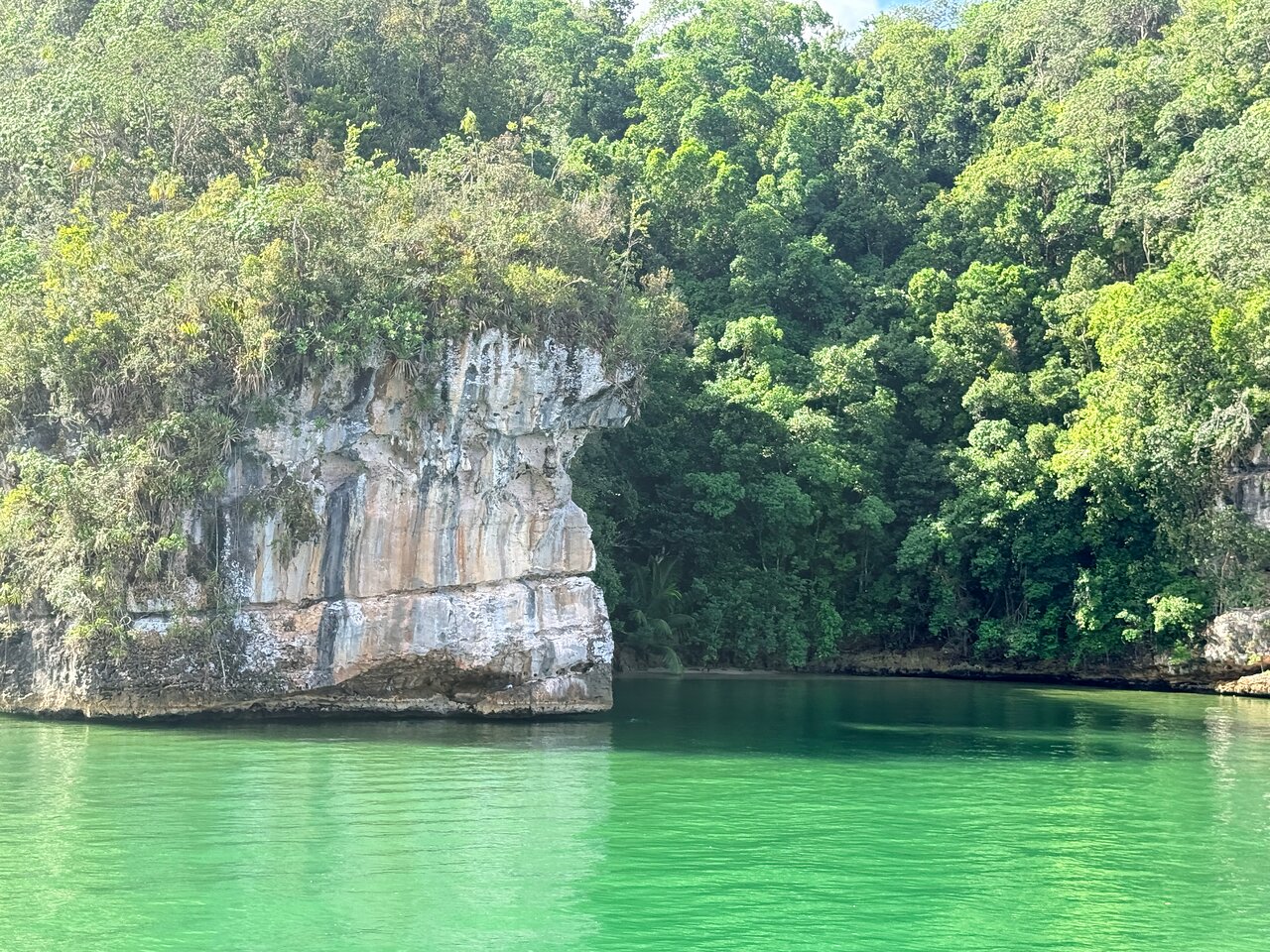
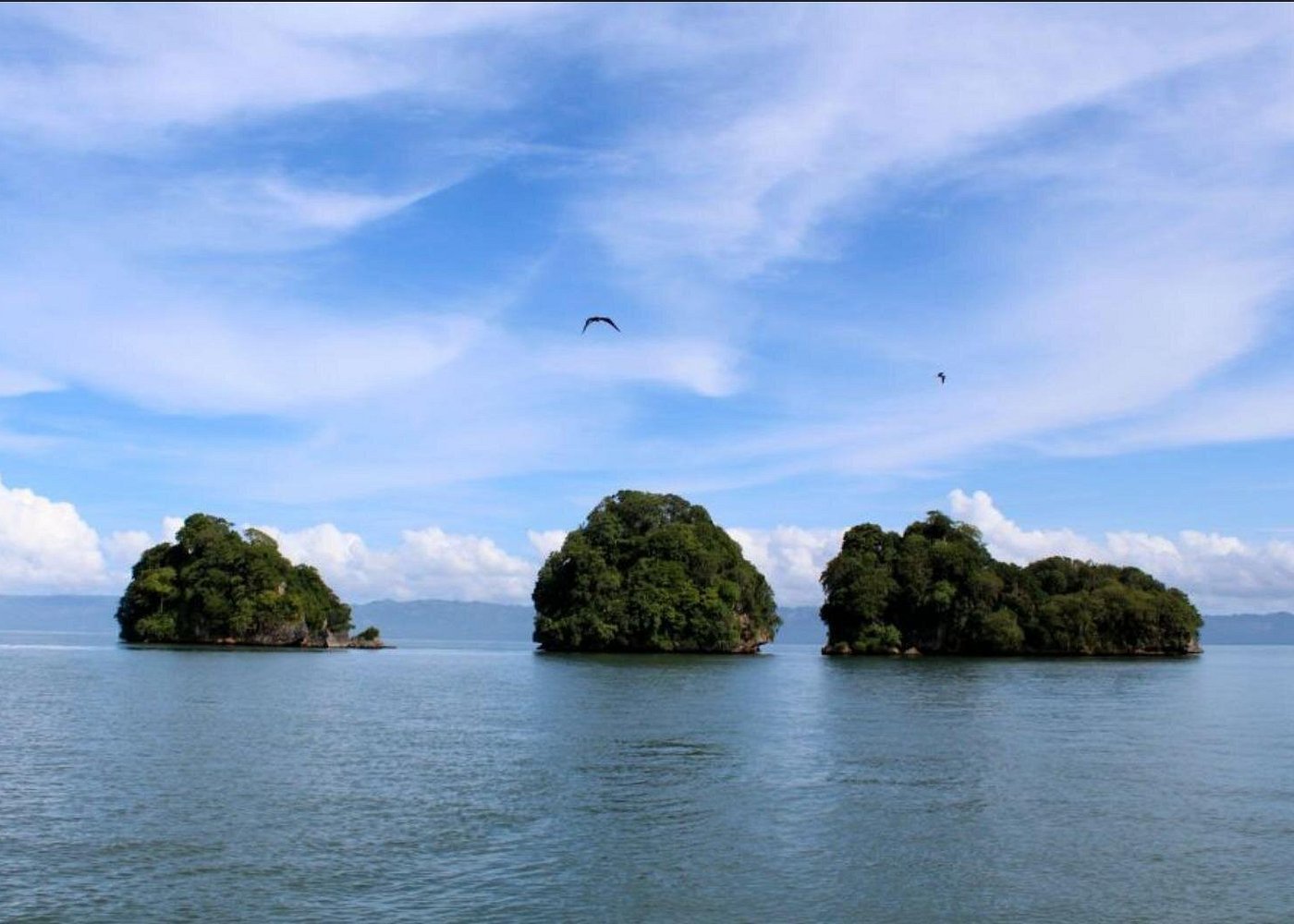
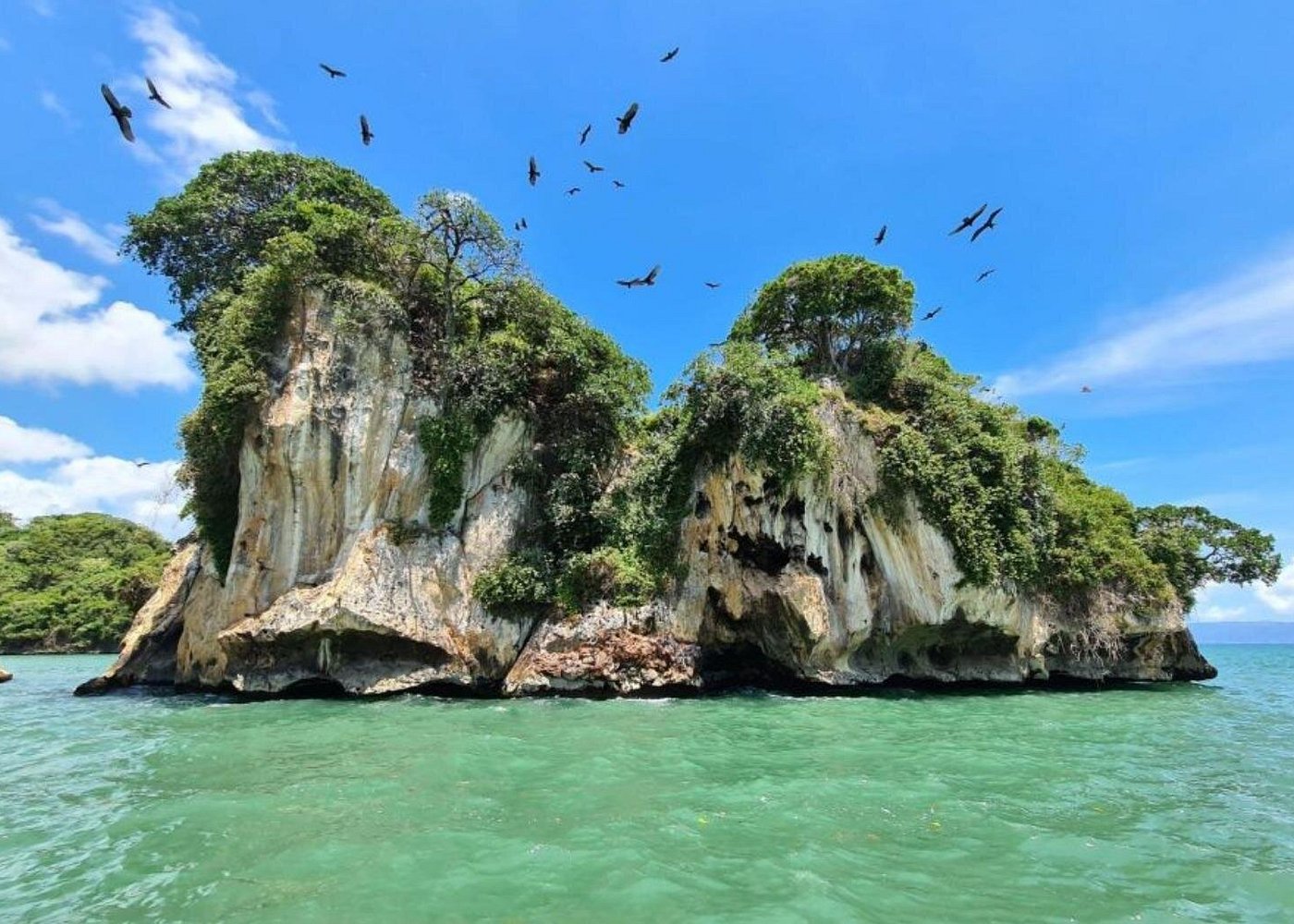
Located in the northeastern Dominican Republic, Los Haitises has a distinctive limestone landscape. Unlike places where rainwater mainly flows across the ground into visible rivers, much of the water in this region can enter the porous limestone through natural openings and underground passages.
This makes the park particularly interesting for visitors who enjoy learning about nature. Its water systems are connected with the forest, wetlands and coastal environments, even when the movement of water is not visible from a walking path or boat.
This guide explains the role of rainfall, underground water and wetland habitats in Los Haitises, along with practical information for visitors planning a nature excursion.
1. Why Water Is Important in Los Haitises
Water influences nearly every part of the Los Haitises landscape. It supports vegetation, contributes to wetland habitats and helps maintain the natural conditions required by wildlife.
The park receives substantial rainfall, and its limestone terrain creates an unusual relationship between surface water and underground water.
Some rainwater travels across the ground, while much of it enters openings in the limestone. Underground movement can connect different parts of the landscape, making the water system more complex than it may appear at first.
Water is important because it:
- Supports tropical forest vegetation
- Helps maintain wetland environments
- Contributes to underground water reserves
- Influences the condition of coastal habitats
- Provides habitat for aquatic organisms
- Helps sustain the wider natural landscape
For visitors, understanding this connection adds another dimension to exploring the park.
2. Rainfall in Los Haitises National Park
Rainfall is one of the important natural features of Los Haitises. The northeastern Dominican Republic receives considerable precipitation, helping maintain humid forest environments and wetland habitats.
Rainwater contributes to the park's natural environment in several ways.
Supporting Tropical Vegetation
Trees and other plants depend on water to grow and maintain their leaves, flowers and fruits. Rainfall helps sustain the dense vegetation found throughout the park.
Maintaining Humid Forest Conditions
Regular moisture contributes to the humid conditions associated with tropical forest environments. Shaded vegetation, damp soil and natural plant growth all form part of this landscape.
Replenishing Underground Water
Because Los Haitises contains porous limestone, some rainfall enters the ground instead of remaining on the surface. This contributes to the region's underground water system.
Influencing Wetland Conditions
Rainfall can influence water levels in low-lying areas and wetlands. The effects depend on local drainage, groundwater conditions and the amount of recent precipitation.
Visitors should remember that rainfall is variable. A tour's weather conditions can differ from one day to another, so checking the forecast and confirming the operator's departure arrangements is sensible.
3. Understanding the Limestone Landscape and Underground Water
One of the most interesting natural features of Los Haitises is its limestone terrain.
The park contains a karst landscape. Karst develops when water gradually dissolves soluble rock, especially limestone, creating features such as depressions, openings and underground passages.
How Rainwater Enters the Ground
When rain falls on porous limestone, some of the water can enter cracks, holes and natural depressions.
Rather than flowing entirely across the surface, it moves into the underground environment.
Underground Water Movement
Once underground, water may travel through fractures, cavities and other openings in the limestone.
These underground pathways can connect different parts of the landscape. Water may eventually emerge at a spring or flow toward another water body.
Why Visitors May Not See Many Rivers
A visitor might expect a rainy tropical forest to contain many visible streams. However, the porous limestone terrain changes how water moves.
Much of the rainfall can infiltrate the ground, so the underground water system is an important part of the region's hydrology.
This is a useful distinction when planning a visit: Los Haitises is well known for its forest, mangroves, caves and coastal scenery, not as a general river-swimming or waterfall destination.
4. Wetlands and Their Natural Importance
Wetlands are important habitats within the wider Los Haitises landscape. These environments are influenced by water and can include low-lying areas, marshy ground and coastal wetland vegetation.
Wetlands provide several ecological functions.
Wildlife Habitat
Wetlands offer feeding, shelter and breeding environments for different organisms. Birds, fish, invertebrates and other wildlife use wetland habitats in different ways.
Water Storage
Wetland areas can temporarily hold water. This helps influence how water moves through the surrounding landscape.
Vegetation Support
Wetland plants are adapted to conditions where soil moisture and water availability differ from those in drier forest environments.
Connections Between Habitats
Wetlands are not isolated from the rest of the park. They are connected to surrounding forest, coastal vegetation and other natural environments.
The relationship between wetlands and underground water is particularly important in a limestone landscape such as Los Haitises.
5. The Connection Between Water and Mangrove Habitats
Mangroves are among the best-known natural features of Los Haitises. They grow in coastal environments influenced by tides, freshwater inputs and saltwater conditions.
Water movement helps create the conditions in which mangrove forests develop.
The mangrove environment supports:
- Fish and other aquatic organisms
- Crabs and other small animals
- Birds that use coastal habitats
- Young marine organisms that use sheltered areas
- A variety of organisms living among mangrove roots
Visitors may experience these habitats during authorized boat excursions or kayaking activities, depending on the tour itinerary.
The relationship between freshwater and coastal water is an important part of understanding the wider environment. However, freshwater and saltwater habitats are not interchangeable. Mangroves are adapted to changing coastal conditions, while other wetland and forest habitats have different water requirements.
6. Caves and Water in Los Haitises
The limestone landscape of Los Haitises also contains caves, which are among the park's well-known natural attractions.
Caves develop through geological processes that can involve water moving through and gradually dissolving limestone. Over long periods, this can create underground spaces and passages.
Caves are also important natural and cultural places. Some contain archaeological features associated with the Indigenous Taíno people, making them significant beyond their geological appearance.
Visitors interested in caves should remember:
- Not every cave is open to visitors.
- Access conditions can change.
- Some caves require an authorized guide or organized excursion.
- Cave floors may be uneven or slippery.
- Visitors should not touch or damage rock surfaces or archaeological markings.
- Swimming or entering water inside a cave should never be assumed to be permitted.
Before booking a cave visit, confirm which cave is included and whether it is currently accessible.
7. Wildlife Supported by Water-Related Habitats
Water-related environments contribute to the biodiversity of Los Haitises. Different animals use forests, wetlands, coastal waters and mangrove areas.
Birds
Wetlands and coastal habitats can provide feeding and resting areas for birds. Depending on the habitat, visitors may encounter birds such as herons, egrets and pelicans.
Fish
Fish use coastal waterways, mangrove channels and other aquatic environments. The species present depend on local water conditions and habitat type.
Crabs and Other Invertebrates
Small animals such as crabs and aquatic invertebrates contribute to wetland and mangrove food webs.
Amphibians and Reptiles
Some amphibians depend on moist environments, while reptiles may use wetland edges, forest vegetation and other suitable habitats.
Wildlife sightings depend on season, weather, location and animal behaviour. Visitors should observe animals quietly and never attempt to catch, feed or disturb them.
8. What Can Visitors Experience?
The water systems of Los Haitises are not necessarily something visitors experience through swimming or river activities. Instead, they can appreciate the importance of water by exploring the natural environments it supports.
Depending on the authorized itinerary, a visit may include:
Boat excursions: Explore coastal scenery and mangrove channels while learning about the park's natural habitats.
Kayaking: Some tour operators offer kayaking experiences through selected mangrove waterways.
Guided nature walks: Where authorized and included in the tour, visitors can learn about tropical vegetation and the natural landscape.
Cave visits: Some excursions include accessible caves, subject to current access conditions and tour arrangements.
Wildlife observation: Visitors can watch birds and other animals from appropriate viewing areas without disturbing them.
Not every excursion includes all these activities. Check the exact itinerary before making a booking.
9. Is Los Haitises Suitable for a Nature Photography Trip?
Yes. The park offers many subjects for nature photography, including forest vegetation, coastal water, mangroves, limestone formations and wildlife.
Water-related photography opportunities may include:
- Reflections along calm waterways
- Mangrove roots near the water
- Coastal scenery
- Wetland vegetation
- Rain-covered tropical leaves
- Limestone formations surrounded by greenery
- Birds near suitable water habitats
For better photographs, consider visiting with a guide who understands the route and local conditions.
Protect your camera or phone from rain and splashing water. Avoid using flash directly on wildlife, and never leave an authorized path or enter a restricted area to capture a photograph.
10. What Should Visitors Bring?
The tropical climate and possibility of rain make preparation important.
Consider bringing:
- Comfortable clothing
- Walking shoes with good grip
- Drinking water
- Sun protection
- Insect repellent
- A waterproof bag for electronic equipment
- A light rain jacket
- A camera or smartphone
- Any personal medication you may need
The exact items depend on the itinerary. A boat excursion may require different preparation from a guided forest walk.
Ask the operator whether safety equipment, drinking water and other essentials are provided.
11. Food and Refreshments During a Los Haitises Tour
Food arrangements vary between tour operators and excursion packages.
Some longer excursions may include refreshments or a meal, while other trips may not provide food. Visitors should not assume that restaurants, food stalls or drinking-water facilities are available at every route or departure point.
Before booking, ask:
- Is drinking water included?
- Are refreshments provided?
- Is lunch included in the price?
- How long is the excursion?
- Is there a meal break?
- Can dietary requirements be accommodated?
- Should visitors bring their own snacks?
Always take food packaging and other waste back with you. Never leave rubbish in the forest, on the coast or near a waterway.
12. Visitor Facilities and Practical Tour Information
Facilities depend on the route, departure point and operator. A boat excursion may have different facilities from a guided walking activity.
Confirm the following before departure:
- Meeting point and transportation
- Tour duration
- Boat or walking arrangements
- Availability of bathrooms
- Drinking-water arrangements
- Food and refreshments
- Guide services
- Safety equipment
- Accessibility and walking conditions
- Current access restrictions
If you have limited mobility, are travelling with children or need regular bathroom access, explain your requirements before booking.
Do not assume that every part of the park has restaurants, shops, public bathrooms or other visitor services.
13. Responsible Tourism Around Water and Wetlands
Water-related habitats can be sensitive to pollution and visitor disturbance. Responsible behaviour helps protect the park's natural environment.
Do not throw rubbish into the water. Plastic and food waste can harm aquatic organisms and wildlife.
Avoid disturbing animals. Do not chase birds, catch fish or remove small animals from their habitat.
Respect vegetation. Do not break branches, remove plants or damage mangrove roots.
Follow authorized routes. Stay within areas permitted for visitors.
Do not enter restricted water areas. Follow the instructions of guides and park authorities.
Avoid contaminating water. Do not pour chemicals, soap or other substances into natural water bodies.
Respect cave rules. Do not damage rock formations or archaeological features.
A responsible visitor helps maintain the natural environment that makes Los Haitises worth exploring.
14. Plan Your Visit According to Weather Conditions
Weather can influence the comfort and conditions of a nature excursion.
Rain may make walking surfaces slippery, affect visibility and change the experience of a boat trip. Strong winds or other weather conditions may also affect an operator's decision to change or cancel an activity.
Before travelling:
- Check the weather forecast.
- Confirm the departure with your tour operator.
- Ask whether the planned route is operating.
- Bring suitable clothing for rain and humidity.
- Follow safety instructions during the excursion.
Do not assume that a tour will operate in every weather condition. The operator should provide current guidance about departures and any itinerary changes.
15. Why Water Makes Los Haitises Unique
Water is an important part of the natural identity of Los Haitises National Park. Rainfall supports its tropical vegetation, underground movement shapes the limestone landscape, and wetland and coastal habitats provide homes for different forms of wildlife.
The park is especially interesting because its water systems are not always visible. A visitor may see dense forest, mangrove channels and limestone formations without realizing how much water moves beneath the ground.
Understanding this hidden relationship helps visitors appreciate the park as more than a scenic destination. It is a connected natural environment in which land, water and wildlife depend on one another.
Frequently Asked Questions
Does Los Haitises National Park have freshwater?
The wider Los Haitises landscape has important freshwater resources, including groundwater and wetland systems. Much rainfall infiltrates the porous limestone, so not all freshwater appears as visible surface streams.
Are there rivers inside Los Haitises National Park?
The park's hydrology is strongly influenced by karst terrain. Some waterways are associated with the wider surrounding drainage system, but visitors should not assume that large visible rivers are a feature of every park route.
Does Los Haitises have waterfalls?
Los Haitises is not generally promoted as a waterfall destination. Visitors should verify any specific waterfall claim and its location before planning a trip.
Can visitors swim in freshwater pools?
Do not assume that swimming is permitted or available. Ask the relevant tour operator or park authority whether a particular water site is authorized and currently accessible.
Why does so much rainwater enter the ground?
The region's limestone terrain contains natural openings and fractures. Rainwater can enter these openings and move through underground pathways instead of remaining entirely on the surface.
Are wetlands important for wildlife?
Yes. Wetlands provide habitat, food and shelter for different organisms, including birds, aquatic animals and other wildlife.
Can I explore mangrove waterways by boat?
Some authorized excursions include boat trips through mangrove channels. The exact route and activities depend on the operator and current conditions.
What should I bring on a nature tour?
Comfortable clothing, suitable footwear, drinking water, sun protection, insect repellent and waterproof protection for electronic devices are useful. Confirm the specific requirements with your operator.
Final Thoughts
Water is one of the hidden features that helps shape Los Haitises National Park. Rainfall supports tropical vegetation, underground water moves through the limestone landscape, and wetlands and coastal habitats provide important environments for wildlife.
Although the park should not be treated as a general waterfall or river-swimming destination, its water-related natural features make it an interesting place for visitors who enjoy learning about tropical ecosystems.
Choose an authorized excursion, confirm current access and facilities, and respect the natural environment throughout your visit. By exploring responsibly, you can enjoy the remarkable scenery and help protect Los Haitises for future generations.
Local explorer & expert guide in Whale Miches.