Birdwatching in Los Haitises National Park: Native Birds, Mangrove Habitats and Wildlife Observation
Los Haitises National Park is one of the Dominican Republic's remarkable destinations for nature lovers. Its tropical forests, mangrove waterways, wetlands, limestone formations and coastal islands create habitats for many different bird species.
For visitors interested in wildlife, birdwatching adds another dimension to exploring the park. Birds may be observed flying above the water, resting in mangrove branches, moving through forest vegetation or searching for food along the shoreline.
The park is particularly important for Hispaniolan birds, including species that are naturally found only on the island. One of its most significant conservation species is Ridgway's hawk, a critically endangered bird of prey.
Whether you are an experienced birder or simply enjoy watching wildlife during a guided excursion, Los Haitises offers an opportunity to learn about Caribbean birdlife in a protected natural environment.
This guide introduces the park's bird habitats, notable species, observation tips and ways to enjoy birdwatching responsibly.
1. Why Is Los Haitises Interesting for Birdwatching?
The main attraction for birdwatchers is the variety of habitats found within the park.
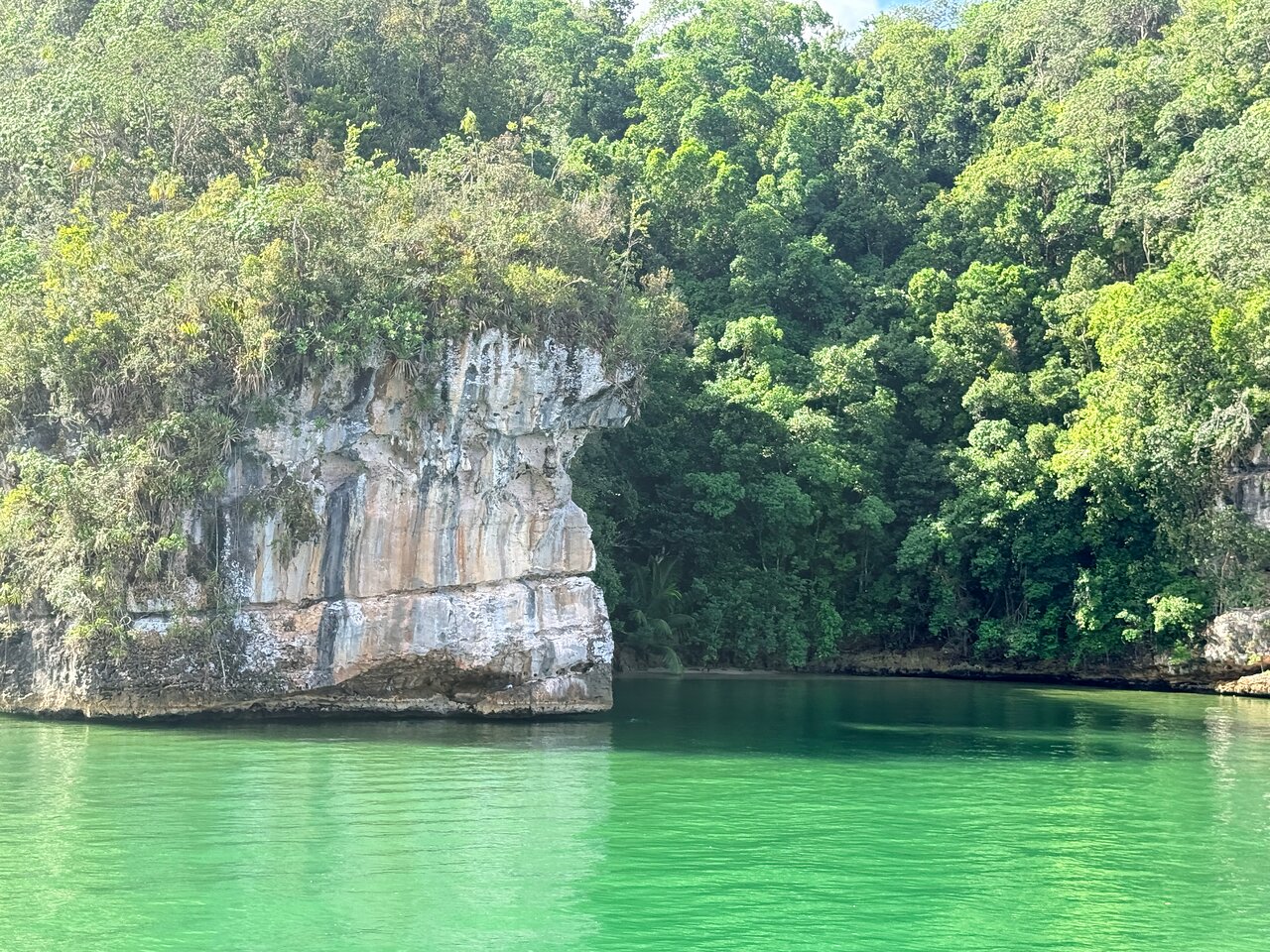
Rather than consisting of only one type of landscape, Los Haitises includes tropical forest, mangrove wetlands, coastal waterways, small islands and limestone formations. Different birds use these environments for feeding, resting, nesting and shelter.
According to the official Dominican Republic tourism guide, birds associated with Los Haitises include Ridgway's hawk, Sierra woodpecker, Hispaniolan woodpecker, pelicans, herons and egrets.
The park's combination of habitats makes it interesting for visitors who want to observe both forest and coastal birds.
During a suitable guided excursion, you may have opportunities to:
- Observe birds around mangrove channels.
- Watch coastal birds flying above the water.
- Listen for bird calls in forest vegetation.
- Look for birds resting in trees.
- Learn about endemic species of Hispaniola.
- Understand why protected habitats are important for bird conservation.
Birdwatching is an activity that requires patience. Some birds are easy to notice, while others remain hidden in vegetation. A checklist can help you understand which species have been recorded in the area, but it cannot guarantee that you will see every species.
2. Ridgway's Hawk: An Important Bird of Los Haitises
One of the most important birds associated with Los Haitises is Ridgway's hawk (Buteo ridgwayi).
This rare bird of prey is endemic to Hispaniola, meaning its natural range is limited to this Caribbean island shared by the Dominican Republic and Haiti. It is classified as Critically Endangered, making its conservation especially important.
Ridgway's hawk is a forest-dwelling raptor. It may be observed flying above suitable habitat or perched in trees, although sightings can be difficult.
Why is this hawk important?
Its conservation significance is closely connected to the protection of suitable forest habitat.
Habitat loss and other human pressures have contributed to the species' decline. Protected areas and conservation efforts are important for maintaining the natural environments on which it depends.
Can visitors see Ridgway's hawk?
It is possible to learn about the species and, with favorable conditions and an appropriate route, potentially observe it. However, sightings are never guaranteed.
A standard sightseeing boat trip may not visit the forest habitats where the hawk is most likely to be encountered.
If this species is your main interest, ask whether a knowledgeable guide can arrange an authorized forest birdwatching experience. Never approach a nest or request that a guide disturb a bird to produce a closer sighting.
3. Hispaniolan Parrot and Other Forest Birds
The forests of Los Haitises provide habitat for native birds that are particularly interesting to visitors from outside the Caribbean.
One notable species is the Hispaniolan parrot (Amazona ventralis). This colorful parrot is endemic to Hispaniola and is associated with forested environments.
Parrots may be easier to hear than to see. Their calls can carry through the forest, while their green plumage may blend with the surrounding vegetation.
Other notable forest birds recorded in the park or its regional bird records include:
Hispaniolan woodpecker
The Hispaniolan woodpecker (Melanerpes striatus) is an endemic species that uses trees for feeding and nesting. Listen for calls and tapping sounds when exploring suitable woodland habitat.
Palmchat
The palmchat (Dulus dominicus) is the national bird of the Dominican Republic. It is known for its social behavior and large communal nests, often built in palm trees.
Broad-billed tody
The broad-billed tody (Todus subulatus) is a small, colorful Hispaniolan endemic. Its size and quick movements can make it challenging to observe.
Hispaniolan lizard-cuckoo
The Hispaniolan lizard-cuckoo (Coccyzus longirostris) is another native species associated with wooded habitats. Its calls may help visitors notice it before they see it.
These birds illustrate the diversity of Hispaniolan forest wildlife. Their presence in regional records does not mean that every visitor will encounter them on a particular route.
4. Birdwatching Around Mangrove Forests
Mangroves are among the most recognizable habitats in Los Haitises.
Their roots and branches create a complex coastal environment. Nearby shallow water and shoreline areas provide feeding opportunities for birds that search for fish and other aquatic prey.
Mangrove birdwatching can be particularly interesting during a guided boat excursion or an authorized kayaking activity.
Birds to look for
Depending on the location and conditions, visitors may observe:
- Brown pelicans
- Great egrets
- Little blue herons
- Green herons
- Tricolored herons
- Yellow-crowned night herons
- Other coastal and wetland birds
Where should you look?
Pay attention to:
- Branches extending over the water.
- Mangrove edges and openings.
- Shallow areas near the shoreline.
- Birds flying between coastal habitats.
- Small islands and exposed rocky areas.
Do not ask a boat operator to approach birds too closely. A good observation distance protects wildlife and often provides a more natural experience.
5. Pelicans, Herons and Egrets Along the Coast
Coastal birds are among the species that visitors may notice most easily during a boat excursion.
Brown pelican
The brown pelican (Pelecanus occidentalis) is a large coastal bird with a distinctive bill and expandable throat pouch.
It may be seen gliding over the water or diving to catch fish. Its flight above the bay can be an impressive sight.
Great egret
The great egret (Ardea alba) is a tall white wading bird that often searches for food in shallow water.
Its long neck and legs make it recognizable when standing along a shoreline or feeding area.
Little blue heron
The little blue heron (Egretta caerulea) is a smaller heron associated with wetlands and coastal habitats. Its dark blue-gray appearance can help distinguish it from white egrets.
Frigatebirds
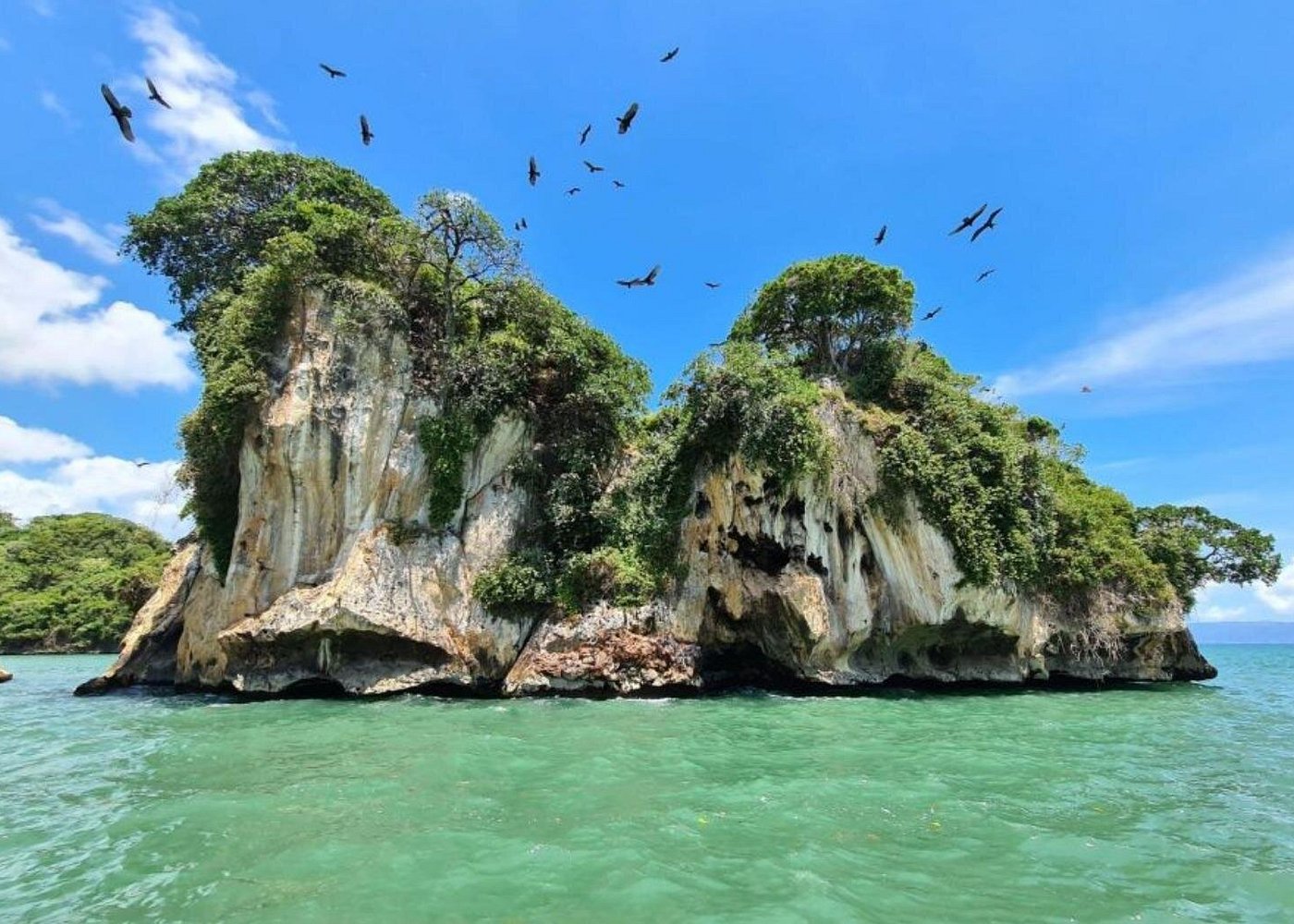
Magnificent frigatebirds (Fregata magnificens) are recognizable by their long wings and forked tails. They are often observed soaring above coastal waters.
These species are useful examples of the park's coastal birdlife, but their visibility varies with habitat, weather and the time of the excursion.
6. Migratory Birds in Los Haitises
Not every bird found in the Dominican Republic remains there throughout the year.
Some species migrate between North America and the Caribbean, using the region during seasonal movements or spending part of the northern winter in suitable habitats.
The Los Haitises regional bird checklist includes a range of migratory species. Examples recorded in the park checklist include:
- American redstart (Setophaga ruticilla)
- Northern parula (Setophaga americana)
- Black-and-white warbler (Mniotilta varia)
- Cape May warbler (Setophaga tigrina)
- Northern waterthrush (Parkesia noveboracensis)
- Black-throated blue warbler (Setophaga caerulescens)
Migration can make birdwatching different at different times of the year. The species present in a particular habitat may change according to seasonal movements.
However, a regional checklist is not a daily sighting list. A bird may be recorded in the park without being visible during your visit.
If you are planning a dedicated birdwatching trip, ask a knowledgeable local guide about recent observations and seasonal expectations.
7. Best Habitats for Birdwatching in Los Haitises
The most suitable place to observe birds depends on which species you hope to find.
Tropical forest
Forest habitats are particularly interesting for native and endemic birds.
Look and listen for woodpeckers, parrots, todies, cuckoos and other woodland species. Birds may be moving through the canopy or staying close to dense vegetation.
Mangrove channels
Mangroves are useful for observing coastal and wetland birds.
Herons and egrets may search for food around shallow water, while other birds use the branches for resting.
Coastal islands and limestone formations
The small islands and limestone formations around the bay create additional habitats for coastal birds.
Pelicans and frigatebirds may be seen flying above the water, while other species may use suitable areas for resting or nesting.
Wetlands and shallow-water areas
Shallow water and exposed muddy edges can provide feeding opportunities for wading birds.
These habitats are worth observing carefully, but visitors should remain within authorized areas.
8. Birdwatching by Boat or on Foot?
There are different ways to experience the natural habitats of Los Haitises. The best choice depends on your birdwatching interests.
Birdwatching by boat
A boat excursion can be useful for observing birds associated with mangroves, coastal waters and small islands.
Possible advantages include:
- Views of coastal bird habitats.
- Opportunities to observe pelicans and other birds above the water.
- Access to suitable mangrove waterways.
- A convenient way to experience several coastal landscapes.
However, an ordinary sightseeing trip is not necessarily a specialist birdwatching excursion. The route may have limited time for identifying birds or waiting quietly for sightings.
Birdwatching on foot
An authorized guided walk can provide opportunities to observe forest birds.
Walking allows visitors to listen for calls and scan tree trunks, branches and vegetation more carefully.
Some interior trails may be difficult, uneven or affected by wet conditions. Do not assume that all forest areas are open to independent visitors.
Which option is better?
Choose a boat excursion if your main interest is coastal birds, mangroves and the scenery around the bay.
Choose a suitable guided forest route if you are particularly interested in woodland species and endemic birds.
If you want to experience both, ask whether a combined itinerary is available and whether each activity takes place in an authorized visitor area.
9. What Equipment Should You Bring?
You do not need expensive equipment to enjoy birdwatching in Los Haitises. However, a few useful items can make the experience more comfortable.
Binoculars
Binoculars are among the most useful items for observing birds in trees, across waterways and around coastal formations.
They allow you to study birds without moving closer and disturbing them.
Camera
A camera with a suitable zoom lens can help you photograph birds from a respectful distance.
Protect your equipment from water during boat or kayaking excursions.
Bird identification guide
A reliable field guide or bird identification application can help you compare markings, calls, size and habitat.
Download any digital guide or offline reference before entering areas where mobile connectivity may be limited.
Notebook
Recording the date, location, habitat and bird description can help you identify species later.
If you are unsure of an identification, write down your observations rather than guessing.
Comfortable clothing
Wear lightweight clothing suitable for a tropical outdoor environment. Bring sun protection and footwear appropriate for the activity you have booked.
10. Tips for Identifying Birds
Bird identification becomes easier when you observe several characteristics instead of relying on color alone.
Start with the bird's general size and shape. Then pay attention to its beak, tail, wings, posture and movement.
The habitat can also provide useful clues. A bird feeding in shallow water may belong to a different ecological group from one moving through the forest canopy.
Follow these simple steps:
- Estimate the bird's size.
- Observe its main colors and distinctive markings.
- Look at its beak and tail shape.
- Notice whether it is flying, feeding, climbing or resting.
- Record the habitat where you observed it.
- Listen to its call if possible.
- Compare your notes with a reliable field guide.
For beginners, it is helpful to start with easily recognizable birds such as pelicans, egrets and woodpeckers before trying to identify smaller or less visible species.
11. When Is a Good Time to Go Birdwatching?
Bird activity changes with weather, season, habitat and time of day.
Early morning can be a useful period for birdwatching because many birds are active and the light may be favorable for observation.
Seasonal migration also affects which species may be present. Some birds are year-round residents, while others visit the Caribbean during seasonal movements.
There is no single time that guarantees sightings of every species.
When arranging a dedicated birdwatching excursion, ask the guide about:
- The best departure time for the planned habitat.
- Recent local bird observations.
- Seasonal species that may be present.
- Expected walking or boat conditions.
- How much time is available for observation.
A flexible schedule and patient approach are often more useful than trying to see a long list of birds in a short period.
12. Responsible Birdwatching and Conservation
Los Haitises is a protected natural area, and birdwatchers have an important role in reducing disturbance to wildlife.
Birds may be sensitive to noise, close approaches and repeated disturbance, especially around nesting or resting areas.
Follow these practices during your visit:
- Keep a respectful distance from birds.
- Never approach or disturb nests.
- Do not feed wild birds.
- Avoid chasing birds for photographs.
- Keep conversations quiet near sensitive habitats.
- Do not throw rubbish into the water or forest.
- Stay on authorized routes.
- Follow the guide's instructions.
- Do not capture, touch or remove wildlife.
- Respect restricted areas and temporary closures.
Avoid using recorded bird calls to attract wildlife unless the activity is explicitly permitted and supervised under appropriate guidance.
The goal is to observe birds behaving naturally, not to force them into view.
13. How to Choose a Birdwatching Tour
If birdwatching is the main purpose of your visit, a general sightseeing package may not provide enough time or the right habitat access.
Compare tour options carefully.
Guide experience: Ask whether the guide has experience identifying local birds and explaining their habitats.
Route: Find out whether the excursion visits mangroves, coastal habitats or authorized forest areas.
Time available: Ask how much time is allocated specifically to bird observation.
Group size: Smaller groups may make it easier to hear explanations and observe quietly, depending on the operator.
Transportation: Confirm whether the tour uses a boat, walking route or a combination.
Language: Check whether the guide can explain bird species in a language you understand.
Equipment: Ask whether binoculars are provided or whether you should bring your own.
Access: Confirm that the planned route is currently authorized.
Expectations: Ask which species are commonly reported in the area, while remembering that sightings cannot be guaranteed.
A good birdwatching guide should be honest about uncertainty and prioritize conservation over close encounters.
14. Is Birdwatching in Los Haitises Worth It?
For travelers who enjoy nature, wildlife and learning about Caribbean ecosystems, birdwatching in Los Haitises can be a rewarding experience.
The park's mixture of mangroves, forest, wetlands and coastal landscapes provides opportunities to observe different groups of birds.
Visitors may encounter recognizable coastal species such as pelicans and herons, while dedicated forest excursions can offer opportunities to learn about Hispaniolan endemic birds.
The most important thing is to choose an appropriate route and allow enough time for observation. Birdwatching is not about rushing between attractions. It is about noticing the wildlife that shares the park's natural environment.
Frequently Asked Questions
1. Is Los Haitises National Park good for birdwatching?
Yes. Its mangroves, tropical forests, wetlands and coastal habitats support a diverse bird community, including native, endemic and migratory species.
2. Which birds are associated with Los Haitises?
Notable birds include Ridgway's hawk, Hispaniolan parrot, Hispaniolan woodpecker, palmchat, brown pelican, herons, egrets and frigatebirds.
3. Can visitors see Ridgway's hawk?
A sighting may be possible in suitable habitat, but it is not guaranteed. Visitors particularly interested in this species should ask about an authorized guided forest birdwatching route.
4. Is Ridgway's hawk endangered?
Yes. It is classified as Critically Endangered and is endemic to Hispaniola.
5. Can I see parrots in the park?
Hispaniolan parrots are recorded in the region. However, their visibility depends on location, season and natural activity.
6. Are there migratory birds in Los Haitises?
Yes. Regional checklists include migratory species such as American redstarts, northern parulas and other visiting birds.
7. Is a boat tour good for birdwatching?
A boat tour can be useful for observing coastal birds and species associated with mangroves and waterways. A specialist forest birdwatching experience may require a different route.
8. Do I need binoculars?
Binoculars are recommended because they make it easier to observe birds without approaching them. They are not essential for enjoying the park.
9. What is a good time of day for birdwatching?
Early morning is often useful because many birds are active. Actual sightings depend on weather, season and habitat.
10. Can beginners enjoy birdwatching in Los Haitises?
Yes. Beginners can start by observing easily recognizable birds and learning from a guide. You do not need advanced identification skills to enjoy the experience.
11. Are bird sightings guaranteed on guided tours?
No. Wildlife moves naturally, and birds may remain hidden. A responsible operator should never promise guaranteed sightings of wild species.
12. How can visitors protect birds during a tour?
Keep your distance, avoid loud noise, never feed birds, stay on authorized routes and follow the guide's instructions.
Final Thoughts
Birdwatching in Los Haitises National Park is an opportunity to discover the natural diversity of the Dominican Republic.
From coastal pelicans and herons to endemic Hispaniolan forest birds, the park's habitats support a fascinating range of wildlife. Ridgway's hawk also highlights the importance of protecting the region's forests and biodiversity.
Bring binoculars if possible, choose a suitable guided route and give wildlife plenty of space. With patience and responsible observation, birdwatching can become a memorable part of your Los Haitises experience.
Local explorer & expert guide in Whale Miches.