Playa Cosón Guide: Visiting Las Terrenas' Longest Beach (2026)
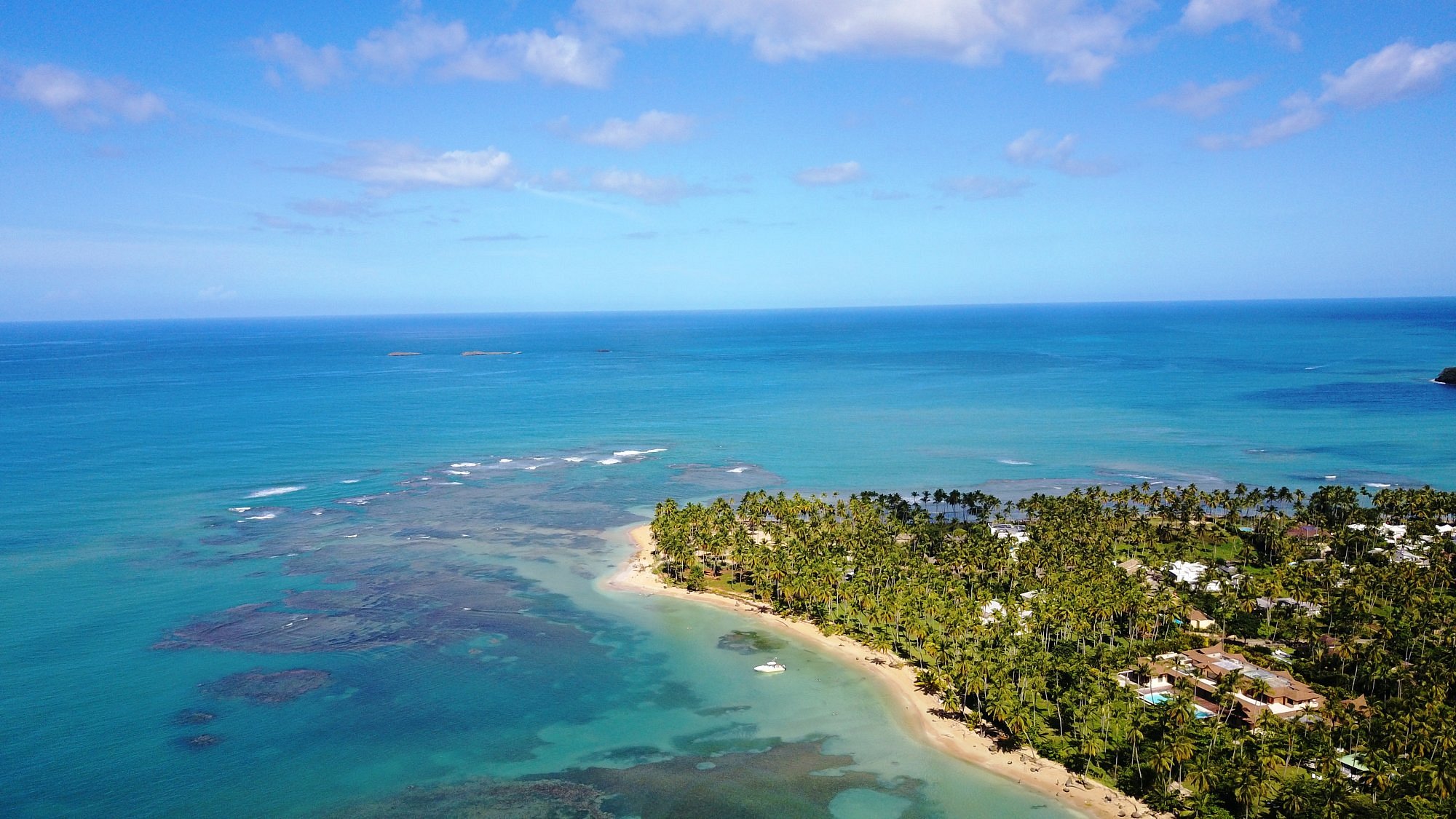
Playa Cosón is one of the most impressive coastal destinations on the Samaná Peninsula in the Dominican Republic. Located west of Las Terrenas, this beautiful beach is recognised for its extensive sandy shoreline, coconut palm trees, tropical vegetation and wide Atlantic Ocean views.
Unlike some of the more developed beaches closer to central Las Terrenas, Playa Cosón has a more open and natural coastal character. Its long shoreline and surrounding greenery create an attractive landscape for visitors interested in photography, nature and peaceful seaside scenery.
Whether you are researching the beaches of Samaná or preparing a travel guide to Las Terrenas, Playa Cosón deserves a place on your list of notable coastal destinations.
This 2026 guide covers the beach's location, natural landscape, local atmosphere, nearby destinations, seasonal climate and responsible visitor information.
1. Where Is Playa Cosón Located?
Playa Cosón is located in Las Terrenas, within Samaná Province in northeastern Dominican Republic.
It lies west of the central Las Terrenas area along the peninsula's northern coastline. The beach is part of a wider coastal landscape that includes Playa Bonita and other well-known beaches in the municipality.
The surrounding region is characterised by tropical vegetation, coconut plantations, sandy coastal areas and Atlantic Ocean scenery.
Playa Cosón Location Overview
- Beach: Playa Cosón
- Town: Las Terrenas
- Province: Samaná
- Country: Dominican Republic
- Region: Samaná Peninsula
- Coastline: Northern Atlantic coast
- Nearby beach: Playa Bonita
- Geographical character: Long sandy coastline with tropical vegetation
The Dominican Republic's official tourism website identifies Playa Cosón as one of the outstanding beaches of the Samaná Peninsula.
2. Why Is Playa Cosón Famous?
Playa Cosón is particularly recognised for its long sandy coastline and natural tropical surroundings.
Its landscape is different from beaches located directly inside the central town area. Instead of a highly urbanised waterfront, visitors encounter a more open coastal environment with coconut palms and extensive ocean views.
Some of its most recognisable features include:
- A long stretch of golden sand.
- Coconut palm trees along the coastline.
- Tropical vegetation behind the beach.
- Open views of the Atlantic Ocean.
- A relatively spacious coastal landscape.
- Smaller accommodation properties in the surrounding area.
- Its location near other popular Las Terrenas beaches.
These characteristics make Playa Cosón an important part of the Samaná Peninsula's coastal identity.
3. How Long Is Playa Cosón?
Playa Cosón is widely described as one of the longest beaches around Las Terrenas.
Its exact length varies between published sources. The Dominican Republic's General Directorate of Cinema (DGCINE) describes the beach as extending approximately six kilometres, while some travel publications describe it as around ten kilometres.
Rather than treating one figure as universally confirmed, it is more accurate to describe Playa Cosón as an extensive sandy beach stretching for several kilometres.
Its considerable length gives the coastline a more spacious appearance than some smaller beaches in the Las Terrenas area.
The beach's shape and visible sandy area can also change with tides, weather and natural coastal processes.
4. The Natural Beauty of Playa Cosón
The natural landscape is one of Playa Cosón's strongest attractions.
Its coastline combines soft-looking sand, coconut palms, tropical vegetation and open ocean views. These elements create the classic Caribbean beach scenery associated with the Samaná region.
Coconut Palm Trees
Coconut palms are among the most recognisable features of Playa Cosón.
They grow along parts of the coastline and contribute to the tropical appearance of the beach. Their presence also creates a visual connection between the sandy shoreline and the vegetation behind it.
Golden Sandy Shoreline
The beach is known for its attractive sandy landscape. Its broad appearance and long coastal curve make it visually different from smaller coves and compact urban beaches.
Atlantic Ocean Views
Playa Cosón faces the Atlantic Ocean, giving it a distinctive coastal setting.
The ocean horizon, changing cloud formations and natural light create an attractive environment for landscape photography.
Tropical Greenery
Vegetation behind the shoreline contributes to the beach's natural character. Coconut plantations and other tropical plants form part of the surrounding landscape.
5. Playa Cosón and Playa Bonita: What Is the Difference?
Playa Cosón and Playa Bonita are two of the best-known beaches in the Las Terrenas area.
Although they are geographically close, they have different coastal characteristics and atmospheres.
Playa Cosón
Playa Cosón is recognised for its extensive shoreline, open landscape and coconut palm surroundings.
Its longer coastal profile gives it a more spacious appearance, making it an important example of the Samaná Peninsula's natural beach scenery.
Playa Bonita
Playa Bonita is known for its palm-lined coastline and more intimate coastal setting.
It has a different atmosphere from the expansive landscape of Cosón and is closely associated with the coastal identity of Las Terrenas.
Beach Comparison
FeaturePlaya CosónPlaya BonitaGeneral characterExtensive and openMore intimate and palm-linedLandscapeLong sandy coastlineTropical beach settingVegetationCoconut palms and greeneryPalms and coastal vegetationLocationWest of Las TerrenasWest of central Las TerrenasMain attractionExpansive coastal sceneryScenic shoreline and atmosphere
Both beaches contribute to the reputation of Las Terrenas as one of the most attractive coastal destinations in Samaná.
6. The Atmosphere Around Playa Cosón
Playa Cosón has a different atmosphere from the busier central waterfront areas of Las Terrenas.
Its surrounding environment includes natural vegetation, smaller accommodation properties and a relatively open coastline.
The beach's long shape also means that its appearance can vary from one section to another. Some parts have more developed surroundings, while others retain a more natural appearance.
The number of visitors can change according to:
- Weekends and weekdays.
- Public holidays.
- Seasonal travel demand.
- Weather conditions.
- Local events and accommodation occupancy.
This variation is part of the character of a coastal destination that attracts both local and international visitors.
7. Nearby Places Around Playa Cosón
Playa Cosón is part of a wider coastal region with several notable destinations.
Las Terrenas
Las Terrenas is the main nearby town and one of the most recognised destinations on the Samaná Peninsula.
It combines Dominican cultural traditions with international influences, local restaurants, small hotels, cafés and coastal neighbourhoods.
The town is an important reference point for understanding the wider Playa Cosón area.
Playa Bonita
Playa Bonita is another well-known beach near Las Terrenas.
Its tropical scenery and sandy shoreline make it an important part of the municipality's coastal landscape.
Playa Las Ballenas
Playa Las Ballenas is located closer to the central Las Terrenas area.
It is associated with the town's more developed coastal environment and has a different atmosphere from the extensive shoreline of Cosón.
Punta Popy
Punta Popy is another recognised beach in Las Terrenas.
It forms part of the municipality's broader coastal tourism area and contributes to the destination's variety of beach landscapes.
8. The Best Time of Year to Appreciate Playa Cosón
The Dominican Republic has a warm tropical climate throughout the year. However, rainfall, humidity and seasonal weather patterns can influence the appearance of the coastline.
December to April
This period is generally associated with drier weather across much of the Dominican Republic.
It is also a popular travel season, meaning visitor numbers can increase in well-known destinations such as Las Terrenas.
May to August
These months can bring warmer and more humid conditions.
Rainfall patterns vary, and tropical vegetation often appears particularly green during wetter periods.
September to November
This period can experience increased rainfall and tropical weather disturbances.
Visitors should follow official weather information and local guidance when considering coastal destinations.
Seasonal Overview
PeriodGeneral weather characterDecember–AprilGenerally drier and popular with visitorsMay–AugustWarmer and more humidSeptember–NovemberGreater potential for rainfall and tropical disturbances
No season guarantees particular ocean conditions. Weather, waves and coastal conditions can change throughout the year.
9. Playa Cosón for Photography and Nature Lovers
Playa Cosón provides an attractive setting for photography because of its extensive coastline and tropical vegetation.
Its natural landscape offers several interesting photographic subjects.
Coastal Landscape Photography
The long sandy shoreline provides opportunities to capture wide coastal views and the shape of the Atlantic coastline.
Palm Tree Photography
Coconut palms create a distinctive tropical background and are among the beach's most recognisable visual features.
Sunset and Sky Photography
Changing cloud formations and evening light can create attractive colours across the ocean and coastline.
Nature Photography
The surrounding vegetation provides opportunities to observe the natural environment and photograph tropical landscape details.
Visitors should avoid disturbing wildlife, damaging vegetation or entering private property to obtain photographs.
10. Food and Local Culture Around Las Terrenas
The wider Las Terrenas area has a diverse food culture influenced by Dominican traditions and international communities.
Visitors researching Playa Cosón can also learn about the region through its traditional food and local culture.
La Bandera Dominicana
La Bandera is a traditional Dominican meal commonly associated with rice, beans and meat.
It is an important example of everyday Dominican cuisine.
Mangú
Mangú is prepared using mashed green plantains and is commonly served as part of a traditional Dominican breakfast.
Sancocho
Sancocho is a traditional stew made with a variety of ingredients. It is especially associated with family gatherings and special occasions.
Fresh Tropical Fruits
The Dominican Republic produces many tropical fruits, including mangoes, papayas, pineapples and coconuts.
These foods are part of the wider culinary identity of the Samaná region.
11. Coastal Environment and Responsible Tourism
Playa Cosón is part of a natural coastal environment that requires responsible management and care.
Beaches support coastal ecosystems and contribute to the environmental and economic importance of the Samaná Peninsula.
Visitors can help protect the area by following simple responsible tourism practices:
- Dispose of rubbish properly.
- Avoid leaving plastic and other waste on the sand.
- Respect coastal vegetation.
- Avoid disturbing wildlife.
- Respect private property and local communities.
- Follow environmental notices.
- Avoid removing natural materials from protected areas.
- Keep the beach clean for other visitors.
Responsible tourism helps preserve the natural features that make Playa Cosón special.
12. Important Coastal Safety Information
Playa Cosón faces the Atlantic Ocean, where coastal conditions can change.
The appearance of the water does not always indicate whether conditions are safe. Waves, currents, tides and weather can influence different sections of the shoreline.
Visitors should:
- Follow local safety warnings.
- Respect signs and restricted areas.
- Avoid entering the ocean when conditions are unsafe.
- Keep children under close adult supervision near the water.
- Follow guidance from local authorities.
- Never assume that conditions are identical along the entire beach.
The Dominican Republic's official location information describes Playa Cosón as a coastal environment with strong wave conditions. This is an important consideration when appreciating the beach's natural landscape.
13. Why Playa Cosón Is Important to Las Terrenas Tourism
Playa Cosón contributes to the identity of Las Terrenas as a major coastal destination on the Samaná Peninsula.
Its extensive sandy shoreline, tropical vegetation and open Atlantic scenery provide a contrast to the more developed areas of the town.
The beach also contributes to the region's appeal for landscape photography, coastal tourism and nature-focused travel.
Together with Playa Bonita, Playa Las Ballenas and Punta Popy, Playa Cosón helps make Las Terrenas a destination with a variety of coastal environments.
14. Frequently Asked Questions About Playa Cosón
Where is Playa Cosón located?
Playa Cosón is located in Las Terrenas, Samaná Province, on the northern coast of the Samaná Peninsula in the Dominican Republic.
Why is Playa Cosón famous?
It is known for its extensive sandy coastline, coconut palm trees, tropical vegetation and open Atlantic Ocean scenery.
Is Playa Cosón the longest beach in Las Terrenas?
Playa Cosón is widely described as one of the longest beaches in the Las Terrenas area. Published estimates of its length vary, with DGCINE describing it as approximately six kilometres.
How long is Playa Cosón?
The Dominican Republic's DGCINE location profile describes Playa Cosón as approximately six kilometres long. Other travel sources publish longer estimates.
Is Playa Cosón close to Playa Bonita?
Yes. Both beaches are located in the Las Terrenas coastal area, west of the town centre.
What province is Playa Cosón in?
Playa Cosón is located in Samaná Province, Dominican Republic.
Is Playa Cosón a natural beach?
Yes. It is a natural sandy coastline surrounded by tropical vegetation and coconut palms.
What makes Playa Cosón different from Playa Bonita?
Playa Cosón is recognised for its more extensive and open coastline, while Playa Bonita is known for its more intimate palm-lined beach environment.
Is Playa Cosón part of the Samaná Peninsula?
Yes. It is located in Las Terrenas, which is part of the Samaná Peninsula in northeastern Dominican Republic.
Are ocean conditions always calm at Playa Cosón?
No. Playa Cosón faces the Atlantic Ocean, and waves and coastal conditions can change. Visitors should follow local safety information and warnings.
Is Playa Cosón interesting for photography?
Yes. Its long sandy shoreline, coconut palms, tropical vegetation and ocean views make it an attractive landscape photography location.
Conclusion
Playa Cosón is one of the most distinctive coastal destinations in Las Terrenas, Samaná. Its extensive sandy shoreline, coconut palm trees, tropical vegetation and open Atlantic views give it a natural character that differs from the more developed beaches closer to the town centre.
Its location near Playa Bonita and the wider Las Terrenas area makes it an important part of the Dominican Republic's northeastern coastal landscape.
For visitors researching the Samaná Peninsula, Playa Cosón offers a memorable example of the region's natural beach scenery and tropical coastal environment.

Local explorer & expert guide in Whale Miches.