Best Time to Visit Samaná Peninsula: Weather, Seasons & Travel Tips
The Samaná Peninsula is one of the most beautiful destinations in the Dominican Republic. Located along the country's northeastern coastline, this tropical region is known for its green mountains, beautiful beaches, coastal communities, coconut plantations and remarkable natural landscapes.
However, choosing the right time to visit Samaná can make a significant difference to your travel experience. Weather conditions vary throughout the year, with some months generally offering less rainfall and others bringing higher humidity, tropical showers and an increased possibility of storms.
Whether you are planning a relaxing coastal holiday, interested in local culture or hoping to experience the region's natural beauty, understanding its seasonal weather will help you plan more effectively.
In this complete guide, we explain the best time to visit the Samaná Peninsula in 2026, including monthly temperatures, rainfall patterns, dry and rainy seasons, hurricane season, wildlife highlights and practical travel tips.
1. What Is the Best Time to Visit Samaná Peninsula?
The best overall time to visit the Samaná Peninsula is generally January through April.
During these months, the region usually experiences relatively less rainfall, warm temperatures and more favourable conditions for enjoying its natural scenery.
February and March are particularly attractive for visitors who prefer a drier period. They also fall within the annual humpback whale season in Samaná Bay.
However, the ideal month depends on your preferences.
- January to April: Generally favourable for drier weather and sightseeing.
- February to March: Particularly suitable for visitors interested in the humpback whale season.
- May to August: Warmer, more humid and generally wetter, with changing rainfall conditions.
- September to November: A wetter period with increased tropical storm considerations.
- December: A transition into the generally drier part of the year.
There is no completely rain-free season in Samaná. Even during the drier months, occasional showers are possible.
2. Understanding Samaná's Tropical Climate
The Samaná Peninsula has a humid tropical climate influenced by its geographical position, surrounding Atlantic Ocean and mountainous landscape.
Unlike destinations with four clearly defined seasons, Samaná experiences relatively warm temperatures throughout the year.
The main seasonal differences involve rainfall, humidity and the possibility of tropical weather systems.
Temperature Throughout the Year
Temperatures remain warm in every season.
Typical daytime temperatures are around 30–33°C, while nighttime temperatures are generally around 20–23°C.
The warmest conditions usually occur during the summer and early autumn months.
Rainfall Patterns
Rainfall varies considerably throughout the year.
February, March and April are generally among the drier months, while September, October and November tend to receive more rainfall.
The region's tropical vegetation benefits from this rainfall, which helps maintain its green mountains, forests and natural landscapes.
Humidity
Humidity is present throughout the year.
It generally becomes more noticeable during the warmer and wetter months, particularly from June through October.
Visitors who prefer relatively comfortable outdoor temperatures may find the early part of the year more suitable.
3. Samaná Weather by Month: Complete 2026 Guide
The following table provides a general monthly climate reference for Samaná.
The temperature and rainfall figures are approximate historical averages from the Arroyo Barril weather station near Samaná, based on 1991–2020 climate normals. They are not predictions for individual dates in 2026.
MonthAvg. HighAvg. LowRainfallJanuary30°C20°C143 mmFebruary31°C20°C95 mmMarch31°C21°C108 mmApril32°C22°C142 mmMay32°C22°C207 mmJune32°C23°C133 mmJuly32°C23°C183 mmAugust32°C23°C229 mmSeptember33°C23°C233 mmOctober32°C22°C240 mmNovember31°C22°C272 mmDecember30°C21°C182 mm
January: Comfortable Weather and Natural Beauty
January is one of the most popular months to visit Samaná.
Temperatures are warm, and rainfall is generally lower than during the wetter part of the year.
The region's landscapes remain green, while the surrounding coastline offers beautiful tropical scenery.
January also marks the beginning of the main humpback whale season in Samaná Bay.
Weather summary: Warm, relatively dry and suitable for general sightseeing.
February: One of the Driest Months
February is an excellent month for visitors who prefer relatively dry weather.
Historical rainfall averages indicate that February is generally the driest month in Samaná.
Daytime temperatures remain warm, and the region often experiences favourable conditions for exploring local communities and enjoying its coastal scenery.
February also falls within the main humpback whale season.
Weather summary: Warm, relatively dry and particularly popular with seasonal visitors.
March: Excellent Conditions for a Holiday
March continues the generally favourable weather pattern.
Rainfall remains relatively low compared with many other months, and temperatures are comfortable for a tropical destination.
It is also part of the humpback whale season, making it an interesting period for visitors interested in marine wildlife and nature.
Weather summary: Warm, relatively dry and suitable for sightseeing.
April: The End of the Drier Period
April is another attractive month for visiting Samaná.
Temperatures gradually increase, and humidity may become more noticeable.
Rainfall generally remains lower than during the wetter months, although occasional tropical showers can occur.
Weather summary: Warm, increasingly humid and generally favourable.
May: The Beginning of Wetter Conditions
May marks a transition towards the wetter part of the year.
Rainfall generally increases, and the atmosphere becomes more humid.
The surrounding vegetation often appears especially lush during this period.
Visitors should be prepared for changing weather conditions and occasional interruptions to outdoor plans.
Weather summary: Warm, humid and increasingly rainy.
June: Hot and Humid Weather
June brings warmer conditions and the beginning of the Atlantic hurricane season.
Rainfall can vary, and tropical showers are common in this part of the year.
The weather may still provide sunny periods, but visitors should monitor forecasts and remain aware of official weather warnings.
Weather summary: Hot, humid and changeable.
July: Tropical Summer Conditions
July is generally warm and humid.
The region may experience periods of sunshine alongside tropical rainfall.
The lush vegetation and green landscapes remain attractive, although weather conditions can change throughout the day.
Weather summary: Hot, humid and occasionally rainy.
August: Increasing Rainfall and Humidity
August is usually one of the warmer months.
Humidity remains high, and rainfall can become more frequent.
It also falls within the Atlantic hurricane season, so visitors should monitor weather updates before and during their stay.
Weather summary: Very warm, humid and increasingly storm-sensitive.
September: A Month Requiring Weather Awareness
September falls within the most active part of the Atlantic hurricane season.
Samaná can experience heavy rainfall and tropical weather systems during this period.
Visitors should pay close attention to official forecasts and avoid relying on historical averages as a guarantee of favourable weather.
Weather summary: Hot, humid and associated with increased tropical storm risk.
October: Rainy and Humid Conditions
October is generally one of the wetter months in Samaná.
The region may experience frequent rainfall, and tropical weather systems can affect travel arrangements.
Visitors planning a holiday during October should allow flexibility in their schedules.
Weather summary: Warm, humid and frequently rainy.
November: Transition Towards the Drier Season
November generally receives substantial rainfall, particularly during its early part.
Conditions may begin to improve towards the end of the month, although rainfall remains variable.
It is also important to remember that the official Atlantic hurricane season continues through November 30.
Weather summary: Warm, rainy and gradually transitioning towards the drier season.
December: A Return to More Favourable Conditions
December marks the transition into the generally drier part of the year.
Temperatures remain warm, and rainfall typically decreases compared with November.
The region becomes increasingly popular with visitors during the holiday period.
Weather summary: Warm, generally more comfortable and increasingly popular.
4. Dry Season in Samaná: December to April
The period from December through April is generally considered the more favourable part of the year for visitors who prefer less rainfall.
February, March and April are particularly notable for relatively low average rainfall.
What Makes the Dry Season Attractive?
There are several reasons why visitors prefer this period:
- Generally lower rainfall.
- Warm tropical temperatures.
- More favourable conditions for sightseeing.
- Attractive coastal scenery.
- The main humpback whale season.
- Increased opportunities to experience local events and communities.
The dry season is also a popular period for international tourism.
Is the Dry Season Completely Rain-Free?
No.
Samaná has a humid tropical climate, and rainfall can occur throughout the year.
Even during February and March, visitors should be prepared for occasional showers.
It is better to think of the dry season as a period with comparatively lower rainfall rather than a guarantee of sunshine every day.
5. Rainy Season in Samaná: May to November
The wetter part of the year generally extends from May through November.
During this period, temperatures remain high, humidity increases and rainfall becomes more frequent.
However, rainfall patterns are not identical every month.
Some months may experience relatively lower average rainfall than others, even within the broader wet season.
What Should Visitors Expect?
Visitors may experience:
- Short tropical showers.
- Periods of heavy rainfall.
- Higher humidity.
- Cloudier skies.
- Changes to local travel arrangements.
- Occasional weather-related disruptions.
The surrounding landscape often becomes particularly green during the wetter months.
Is the Rainy Season a Bad Time to Visit?
Not necessarily.
Visitors who are comfortable with occasional rain may still enjoy Samaná during this period.
However, flexibility becomes more important, especially when planning outdoor sightseeing and transportation.
Checking forecasts regularly is essential.
6. Hurricane Season in Samaná
The Atlantic hurricane season officially runs from June 1 to November 30.
This period is important for anyone planning to visit the Dominican Republic, including the Samaná Peninsula.
Although not every tropical system affects Samaná, hurricanes and tropical storms can bring heavy rain, strong winds, flooding and transportation disruptions.
Which Months Require the Most Attention?
August, September and October are particularly important months for monitoring tropical weather conditions.
September is generally near the peak of the Atlantic hurricane season.
Travel Precautions During Hurricane Season
Visitors travelling during these months should:
- Monitor official weather forecasts.
- Check local emergency announcements.
- Keep travel arrangements flexible.
- Review travel insurance coverage.
- Follow instructions from local authorities.
- Avoid travelling during severe weather warnings.
The National Hurricane Center provides official tropical weather updates for the Atlantic region.
Remember that weather conditions can change quickly, so check forecasts close to your travel dates.
7. Best Time to Visit Samaná for Humpback Whales
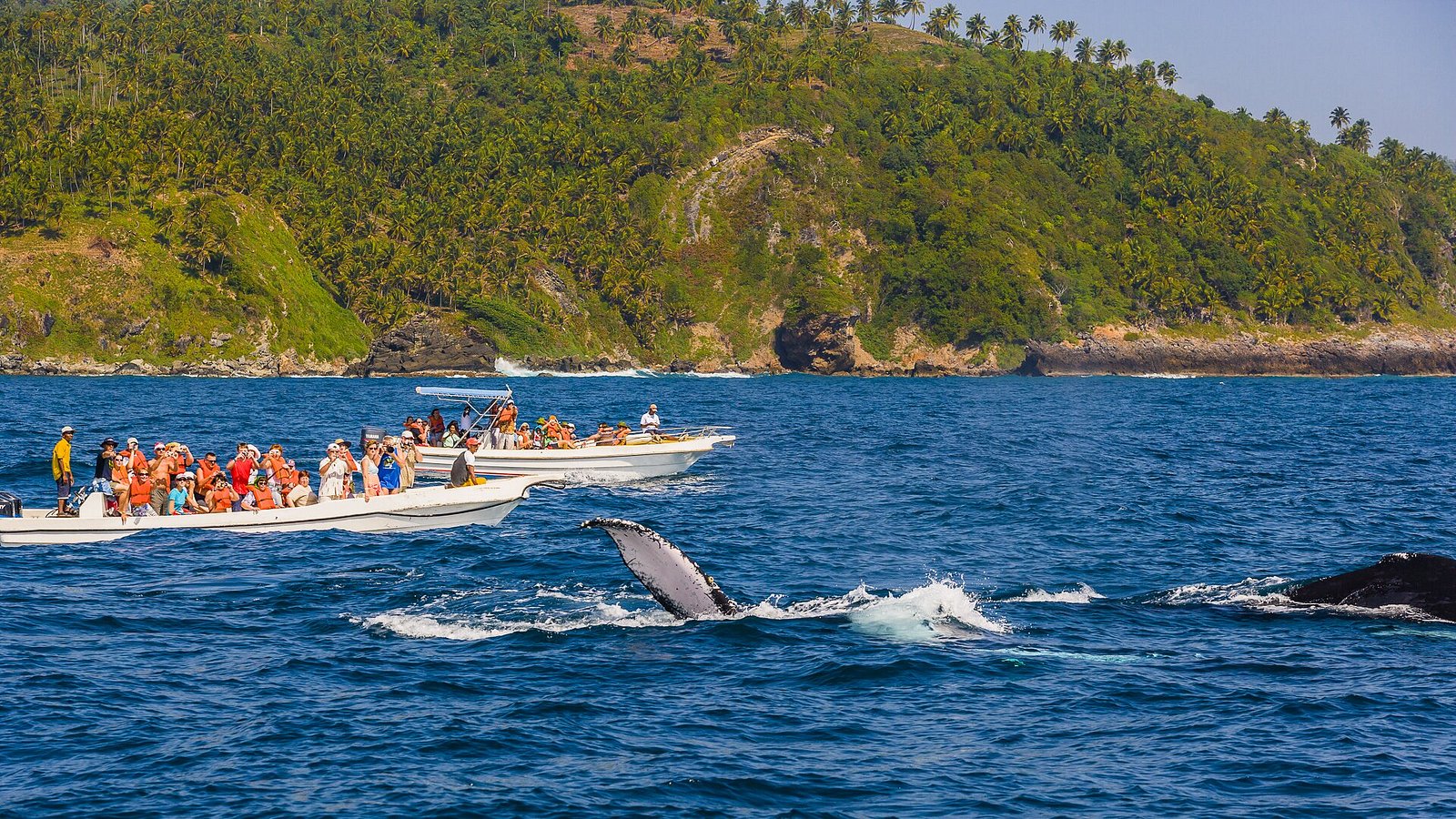
Samaná is internationally recognised for the seasonal arrival of humpback whales in Samaná Bay.
These enormous marine mammals migrate from the North Atlantic to warmer Caribbean waters during the winter months.
The main whale season generally runs from mid-January through late March.
Why Do Whales Visit Samaná?
Humpback whales migrate to warmer tropical waters for important stages of their reproductive cycle.
Samaná Bay provides a significant seasonal habitat for these animals.
During this period, the region becomes an important location for marine wildlife awareness and conservation.
Which Month Is Best?
January, February and March all fall within the main seasonal window.
February is particularly well positioned within the season.
Visitors interested in learning about the whales should also consider responsible wildlife observation and respect for official conservation guidance.
Why Is Whale Conservation Important?
Humpback whales are important marine mammals with complex migration patterns and behaviours.
Responsible conservation helps protect their habitat and supports awareness of the wider marine environment.
8. Best Time to Visit Samaná for Beaches and Coastal Scenery
Samaná has a beautiful coastline with different landscapes, from wide sandy beaches to smaller coastal areas surrounded by green mountains.
Visitors who prefer generally drier weather often choose January through April.
January to April
These months generally offer more favourable rainfall conditions.
They are popular with visitors who want to enjoy the region's coastal scenery and explore local communities.
May to August
This period brings warmer temperatures and greater humidity.
Rainfall can vary, and visitors may experience a combination of sunny periods and tropical showers.
September to November
These months generally require more weather awareness because of higher rainfall and hurricane-season considerations.
Coastal conditions can change quickly, so visitors should follow local safety information and official warnings.
9. Best Time to Explore Samaná's Natural Landscapes
The Samaná Peninsula is famous for its green mountains, forests, waterfalls, wetlands and protected natural environments.
Different seasons create different appearances across the landscape.
Los Haitises National Park
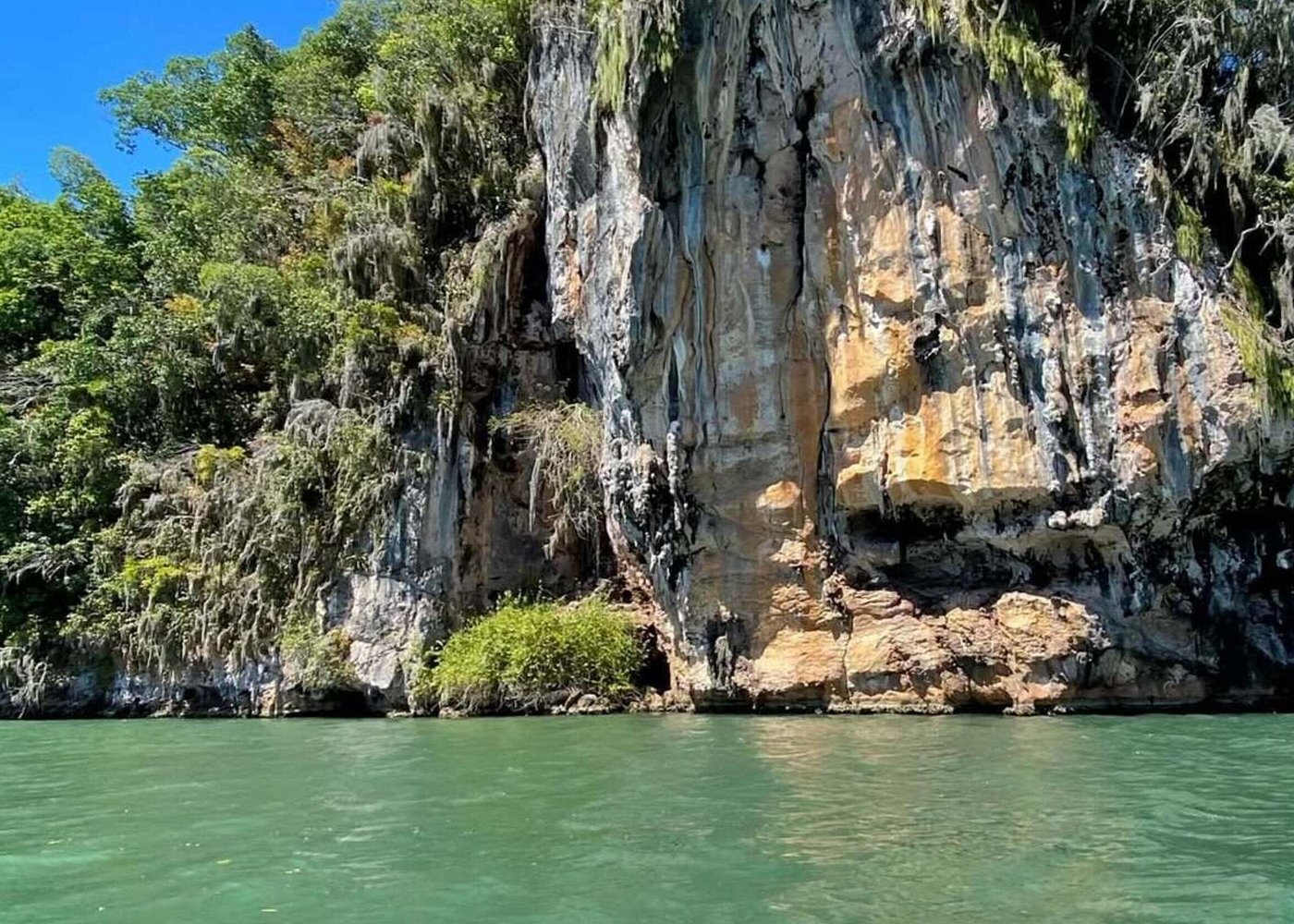
<escape> </escape>Los Haitises National Park is one of the region's most important natural areas.
Its limestone formations, mangrove forests, wetlands and tropical vegetation make it an important destination for understanding Caribbean biodiversity.
The generally drier months can offer more predictable conditions for general sightseeing.
During wetter months, visitors should pay attention to official visitor notices and local weather information.
El Limón and Surrounding Landscapes
The El Limón area is known for its green surroundings and tropical scenery.
Rainfall contributes to the vegetation and natural appearance of the wider region.
Visitors should always check local conditions and official safety guidance before making plans in natural areas.
Coastal Communities
Santa Bárbara de Samaná, Las Terrenas and Las Galeras each have their own atmosphere and scenery.
The dry season is popular for general sightseeing, while the wetter months provide a greener tropical landscape.
10. Best Time to Visit Samaná for Local Culture and Festivals
Weather is not the only factor to consider when choosing a travel date.
Local cultural events can also make a visit more interesting.
February: Dominican Independence Day
February 27 marks Dominican Independence Day.
The date is celebrated throughout the country with cultural activities and patriotic events.
March and April: Carnival and Holy Week
Carnival celebrations take place around February and March, depending on local calendars.
Holy Week, also known as Semana Santa, generally falls in March or April.
These periods can attract additional domestic visitors, so accommodation availability and local travel arrangements may be affected.
December: Local Celebrations
December includes Christmas celebrations and community events.
Santa Bárbara de Samaná celebrates its patron saint around December 4, with religious and cultural traditions.
Visitors interested in local culture may enjoy experiencing these seasonal celebrations respectfully.
11. Cheapest Time to Visit Samaná
Travel costs can change according to demand, accommodation availability, holidays and local events.
Generally, the popular winter and early-spring period can be more expensive because of favourable weather and whale season.
The wetter months may offer more opportunities to find accommodation at lower rates, although this varies by property and travel date.
High-Demand Periods
January through March is a popular period because of the relatively favourable weather and humpback whale season.
Christmas, New Year and Holy Week can also increase visitor demand.
Potentially Quieter Periods
May, June and November may offer a quieter atmosphere compared with peak winter months.
September and October can also have lower visitor demand, but travellers should carefully consider weather risks.
Money-Saving Suggestions
- Compare accommodation prices across different dates.
- Avoid assuming holiday-week prices are typical.
- Check cancellation conditions before booking.
- Compare transport costs before finalising your itinerary.
- Allow some flexibility in your travel schedule.
A lower accommodation price should always be considered alongside weather conditions, cancellation policies and travel safety.
12. What Should You Pack for Samaná?
Packing appropriately for the tropical climate can make your visit more comfortable.
Clothing
Consider packing:
- Lightweight cotton clothing.
- Comfortable everyday footwear.
- Breathable shirts and trousers.
- A light jacket for cooler evenings.
- A waterproof outer layer during wetter months.
Sun Protection
The Caribbean sun can be strong throughout the year.
Useful items include:
- Sunscreen.
- Sunglasses.
- A wide-brimmed hat.
- Lightweight clothing that provides sun protection.
Rain Protection
If travelling between May and November, consider bringing:
- A compact umbrella.
- A lightweight rain jacket.
- Water-resistant bags for electronic items.
Health and Personal Essentials
Remember to pack any necessary personal medication, insect repellent and a reusable water bottle suitable for safely treated drinking water.
13. Practical Travel Tips for Visiting Samaná in 2026
A little preparation can help you make the most of your holiday.
Check Weather Forecasts Before Departure
Historical climate averages provide useful information, but they cannot predict the weather on your specific travel dates.
Check updated forecasts before departure and during your visit.
Allow Flexible Travel Time
Heavy rainfall can affect road conditions and travel schedules.
Allow additional time for transportation, especially during the wetter months.
Check Accommodation Conditions
Confirm your accommodation reservation, cancellation terms and emergency arrangements.
This is especially important when travelling during hurricane season.
Respect Local Weather Warnings
Follow instructions from local authorities and avoid making plans that conflict with weather or coastal safety warnings.
Consider Seasonal Demand
If you plan to visit during January, February, March, Christmas or Holy Week, arrange accommodation well in advance.
These periods can be particularly popular.
14. Frequently Asked Questions About the Best Time to Visit Samaná
What is the best month to visit Samaná?
February is an excellent choice for visitors who prefer relatively low rainfall. January through April is generally the most favourable overall period.
What is the driest month in Samaná?
February is generally the driest month according to historical rainfall averages for the Samaná area.
When is the rainy season in Samaná?
The wetter period generally runs from May through November, although rainfall varies from month to month.
When is hurricane season in Samaná?
The Atlantic hurricane season runs from June 1 through November 30.
When is whale season in Samaná?
Humpback whales generally visit Samaná Bay from mid-January through late March.
Is December a good time to visit Samaná?
Yes. December is generally a favourable month as the region transitions towards its drier season. It is also a popular holiday period.
Is Samaná hot throughout the year?
Yes. Samaná has a warm tropical climate throughout the year, with daytime temperatures commonly around 30–33°C.
Is September a good month to visit Samaná?
September is generally wetter and falls within the active part of the Atlantic hurricane season. Visitors should monitor official forecasts and consider flexible travel arrangements.
Does it rain every day during the rainy season?
No. Rainfall varies, and some days may have sunny periods alongside tropical showers. However, visitors should be prepared for changing weather conditions.
Is Samaná crowded during whale season?
January through March is a popular period because of the seasonal arrival of humpback whales. Visitor numbers can be higher around popular travel dates, particularly in February.
Conclusion: Choose the Right Season for Your Samaná Holiday
The Samaná Peninsula is a beautiful Caribbean destination that offers something different throughout the year.
For visitors who prefer relatively dry weather, January through April is generally the best period. February and March are particularly attractive because of lower average rainfall and the seasonal arrival of humpback whales.
May through November brings warmer, more humid and generally wetter conditions. Although this period can still be appealing, visitors should pay closer attention to weather forecasts and hurricane-season updates.
Ultimately, the best time to visit depends on your priorities, travel budget and tolerance for tropical rainfall.
Plan ahead, check reliable weather information and remain flexible with your arrangements. With the right preparation, you can appreciate Samaná's natural beauty, local culture and coastal atmosphere in every season.

Local explorer & expert guide in Whale Miches.