Whales in Samaná with Kids 2026: Family Wildlife & Conservation Guide
Samaná, located in northeastern Dominican Republic, is internationally recognized for its remarkable marine environment and seasonal humpback whale migration.
Every year, these enormous marine mammals travel thousands of kilometres from colder northern waters to the warm Caribbean. Samaná Bay provides an important breeding and calving habitat, making the region especially significant for marine wildlife conservation.
For families with children, learning about humpback whales offers an exciting opportunity to explore marine biology, animal behavior, migration, and environmental protection.
This 2026 guide introduces families to the whales of Samaná, explains their seasonal migration, and explores educational ways children can understand and appreciate marine wildlife.
1. Why Is Samaná Famous for Humpback Whales?
Samaná Bay is one of the most important seasonal habitats for humpback whales in the Caribbean.
The bay forms part of the wider Marine Mammal Sanctuary of the Dominican Republic, which was established to protect marine mammals and their natural environment.
During the northern winter, humpback whales migrate from colder feeding grounds toward warmer tropical waters.
Samaná Bay provides an important environment for their reproductive cycle.
The region is particularly recognized for:
- Seasonal humpback whale migration
- Marine mammal conservation
- Natural coastal landscapes
- Important marine habitats
- Environmental research and education
The annual migration is one of the most remarkable natural events associated with the Dominican Republic.
2. When Do Humpback Whales Visit Samaná?
Humpback whales generally visit Samaná Bay between January and March.
The Dominican Republic officially opened its 2026 whale-watching season on January 16, 2026, under an agreement focused on responsible management, monitoring, and conservation.
The seasonal period is important because humpback whales use the warm Caribbean waters for breeding and giving birth.
January
January marks the beginning of the main seasonal period. The arrival of whales makes this an important time for marine conservation awareness.
February
February falls within the central part of the seasonal migration period.
The bay remains an important environment for observing the seasonal presence and behavior of humpback whales.
March
March is generally associated with the later part of the migration period.
As the season progresses, whales gradually begin their return toward northern feeding grounds.
Exact seasonal dates can vary from year to year.
3. Understanding Humpback Whales
Humpback whales are large marine mammals belonging to the baleen whale family.
Their scientific name is Megaptera novaeangliae.
They are recognized for their long pectoral fins, distinctive body shape, complex vocalizations, and impressive surface behaviors.
Physical Characteristics
Adult humpback whales are generally around 12–16 metres long.
They have:
- Large pectoral fins
- Broad flukes
- Dark upper bodies
- Lighter markings on their underside
- Distinctive patterns on their tail flukes
These features help researchers identify individual whales.
What Do Humpback Whales Eat?
Humpback whales mainly feed on small marine organisms, including krill and small schooling fish.
They use baleen plates inside their mouths to filter food from seawater.
This feeding system is different from the teeth used by many other marine mammals.
How Long Do They Live?
Humpback whales can live for several decades.
Their long lives allow researchers to study migration patterns, reproductive behavior, and changes in marine ecosystems over extended periods.
4. Why Do Humpback Whales Migrate to Samaná?
Humpback whales undertake seasonal migrations between feeding and breeding areas.
During warmer months, many populations feed in colder waters where food is abundant.
As winter approaches in the Northern Hemisphere, they travel toward warmer tropical and subtropical waters.
Samaná Bay is part of this wider migration system.
The warm waters provide an important environment for reproduction and the early development of newborn calves.
Migration and Reproduction
The migration is closely connected to the whales' reproductive cycle.
During the tropical breeding season, adults may engage in courtship behavior, while mothers give birth and care for their calves.
This makes Samaná an important location for understanding the life cycle of humpback whales.
5. Interesting Humpback Whale Behaviors
Humpback whales display several fascinating behaviors that have attracted the attention of marine biologists.
Breaching
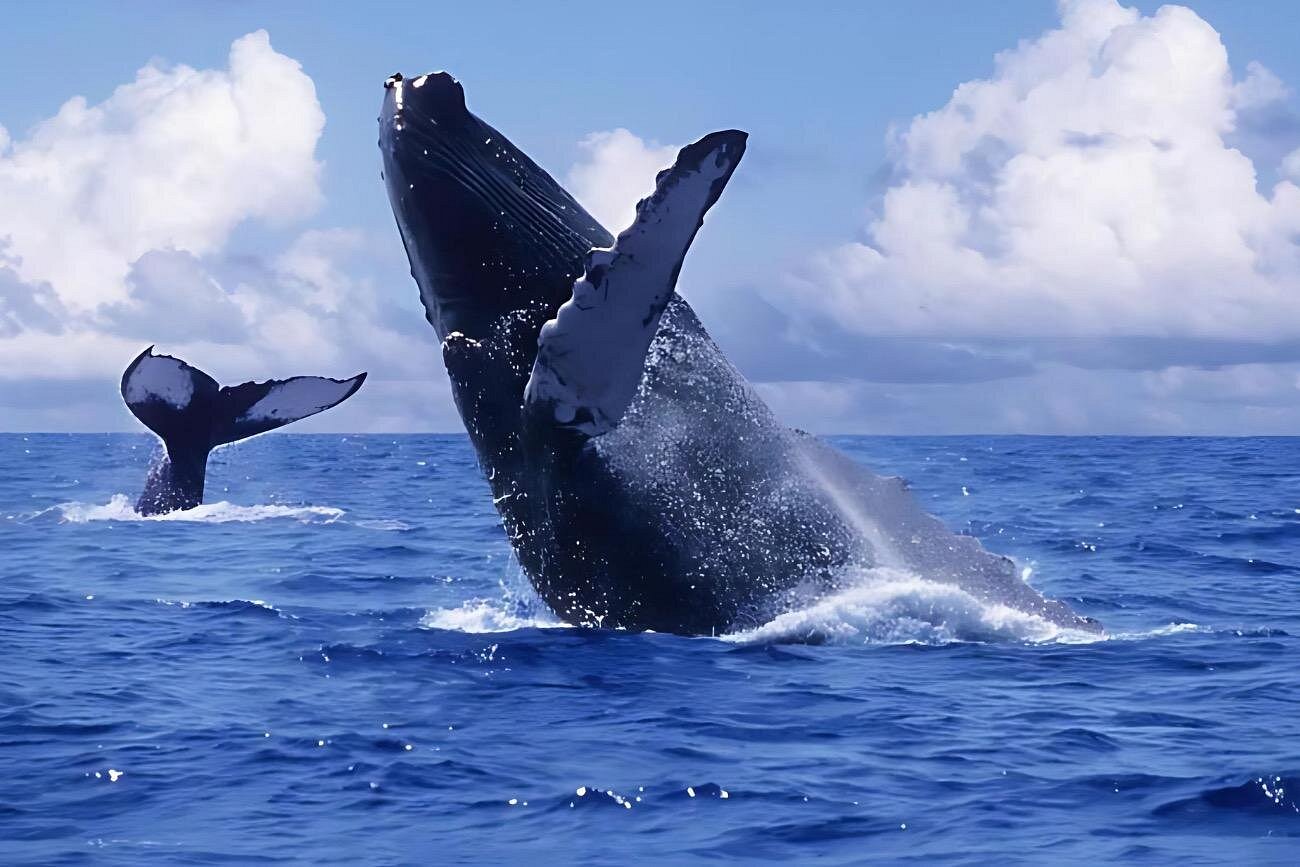
Breaching occurs when a whale launches much of its body above the water before returning to the surface.
Scientists have proposed several explanations for this behavior, including communication and social interaction.
Tail Slapping
Tail slapping occurs when a whale raises its tail flukes and strikes the water.
The resulting sound can travel through the surrounding water.
Pectoral Fin Slapping
Humpback whales sometimes raise their long pectoral fins and strike the water's surface.
This is another recognizable form of surface behavior.
Whale Songs
Male humpback whales are famous for their complex songs.
These vocalizations contain repeated sounds and patterns that can change over time.
Researchers continue to study the role of whale songs in communication and reproduction.
6. Mother Whales and Their Calves
One of the most important aspects of humpback whale biology is the relationship between mothers and their calves.
Female humpback whales give birth in warm breeding environments.
Newborn calves depend on their mothers for nourishment, protection, and learning.
Why Are Calves Important?
Young whales must develop the physical strength and skills needed for independent survival.
Their early development includes:
- Swimming
- Breathing at the surface
- Maintaining contact with their mothers
- Developing feeding skills
- Learning movement patterns
The mother-calf relationship is essential to the survival of young whales.
Why Should They Be Protected?
Mothers and calves can be especially sensitive to disturbance.
Protecting their natural environment helps reduce unnecessary stress and supports healthy development.
This is one reason why responsible whale conservation regulations are important in Samaná.
7. Marine Conservation in Samaná
Samaná Bay is part of an important marine conservation area.
The Dominican Republic has established management and monitoring measures to protect humpback whales and their habitats.
In January 2026, the Ministry of Environment announced an interinstitutional agreement for the management of the whale season.
The agreement included responsibilities involving:
- Environmental authorization
- Vessel inspections
- Staff training
- Scientific monitoring
- Regulatory supervision
- Conservation management
These measures aim to balance environmental protection with responsible tourism and local economic development.
8. How Families Can Teach Children About Whale Conservation
Children can learn about marine wildlife through age-appropriate educational activities.
Learning about whales can introduce important scientific concepts while encouraging respect for nature.
Learn About Whale Anatomy
Children can explore the basic body structure of a humpback whale.
Useful topics include:
- Baleen plates
- Pectoral fins
- Tail flukes
- Blowholes
- Body size
- Marine mammal adaptations
Simple illustrations can make these concepts easier to understand.
Explore Migration Maps
Migration maps help children understand how animals travel between different geographical regions.
A map showing northern feeding grounds and Caribbean breeding areas can introduce concepts such as climate, geography, and animal migration.
Study Whale Communication
Humpback whale songs are an interesting introduction to animal communication.
Children can learn that different species communicate through sounds, movements, and other signals.
Discuss Ocean Pollution
Marine pollution is an important environmental topic.
Families can discuss how plastic waste, discarded fishing equipment, and chemical pollution can affect ocean ecosystems.
Create a Whale Research Project
A simple educational project could include:
- A drawing of a humpback whale
- A map of its migration
- Information about its diet
- A description of its life cycle
- Three facts about marine conservation
This can turn a family wildlife topic into an enjoyable learning experience.
9. The Importance of Responsible Whale Observation
Marine wildlife observation must respect the natural behavior of animals.
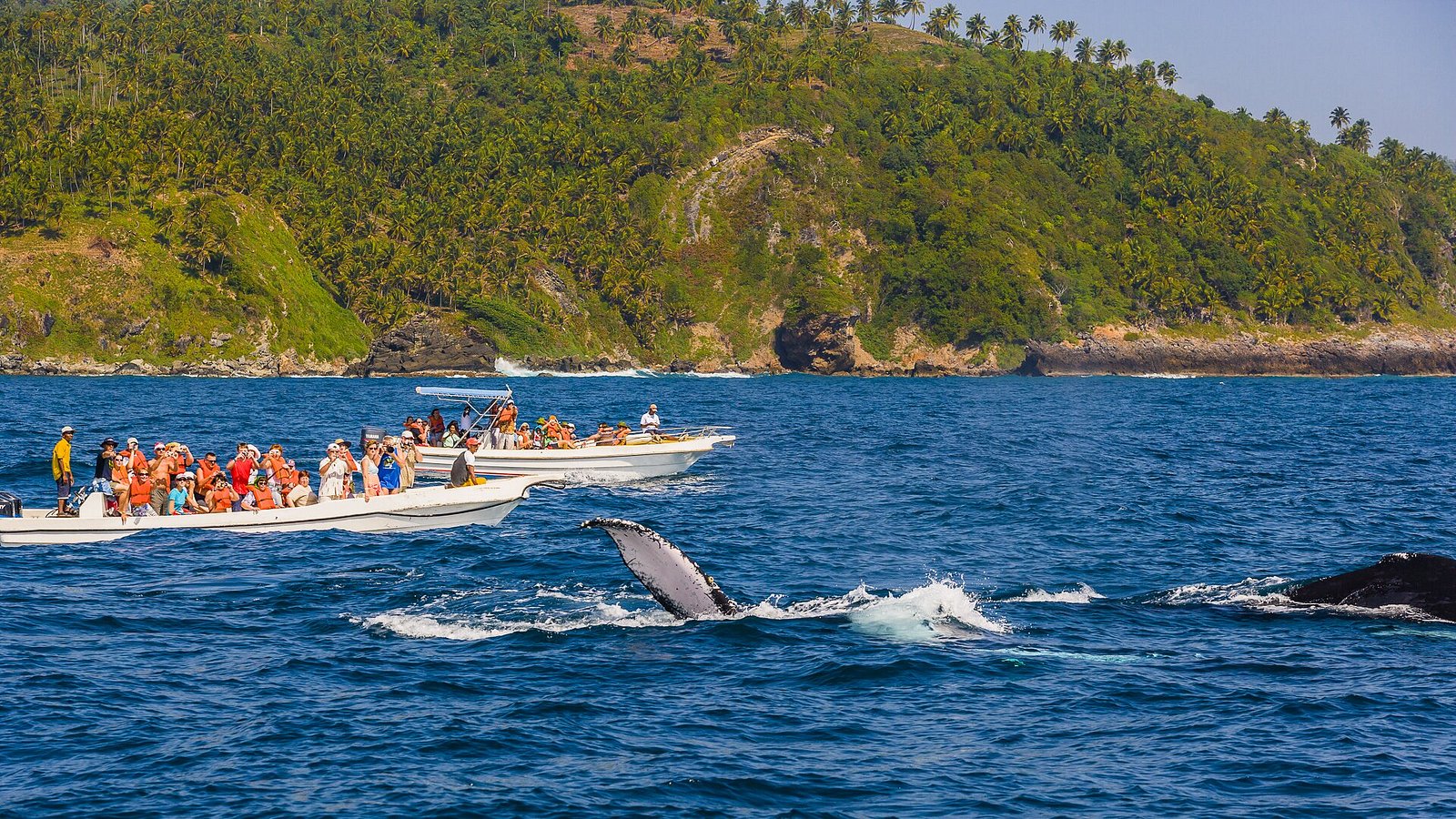
The Dominican Republic has specific rules designed to reduce disturbance to humpback whales in Samaná Bay.
These rules include restrictions on vessel approaches, observation distances, and the number of vessels around whale groups.
Swimming with whales is prohibited in Samaná Bay.
Responsible wildlife observation should always prioritize animal welfare over photography or entertainment.
Children can learn an important lesson from this: enjoying wildlife also means respecting its natural environment.
10. Other Educational Attractions Related to Samaná's Nature
Samaná offers several subjects for families interested in learning about nature and local culture.
Museo de las Ballenas
The Whale Museum in Santa Bárbara de Samaná provides educational information about marine mammals and the importance of whales in the region.
It represents an opportunity to understand whale biology and conservation through educational exhibits.
Samaná Bay
Samaná Bay is an important geographical and ecological feature of northeastern Dominican Republic.
Its relationship with marine wildlife, coastal communities, and conservation makes it an interesting subject for family learning.
Los Haitises National Park
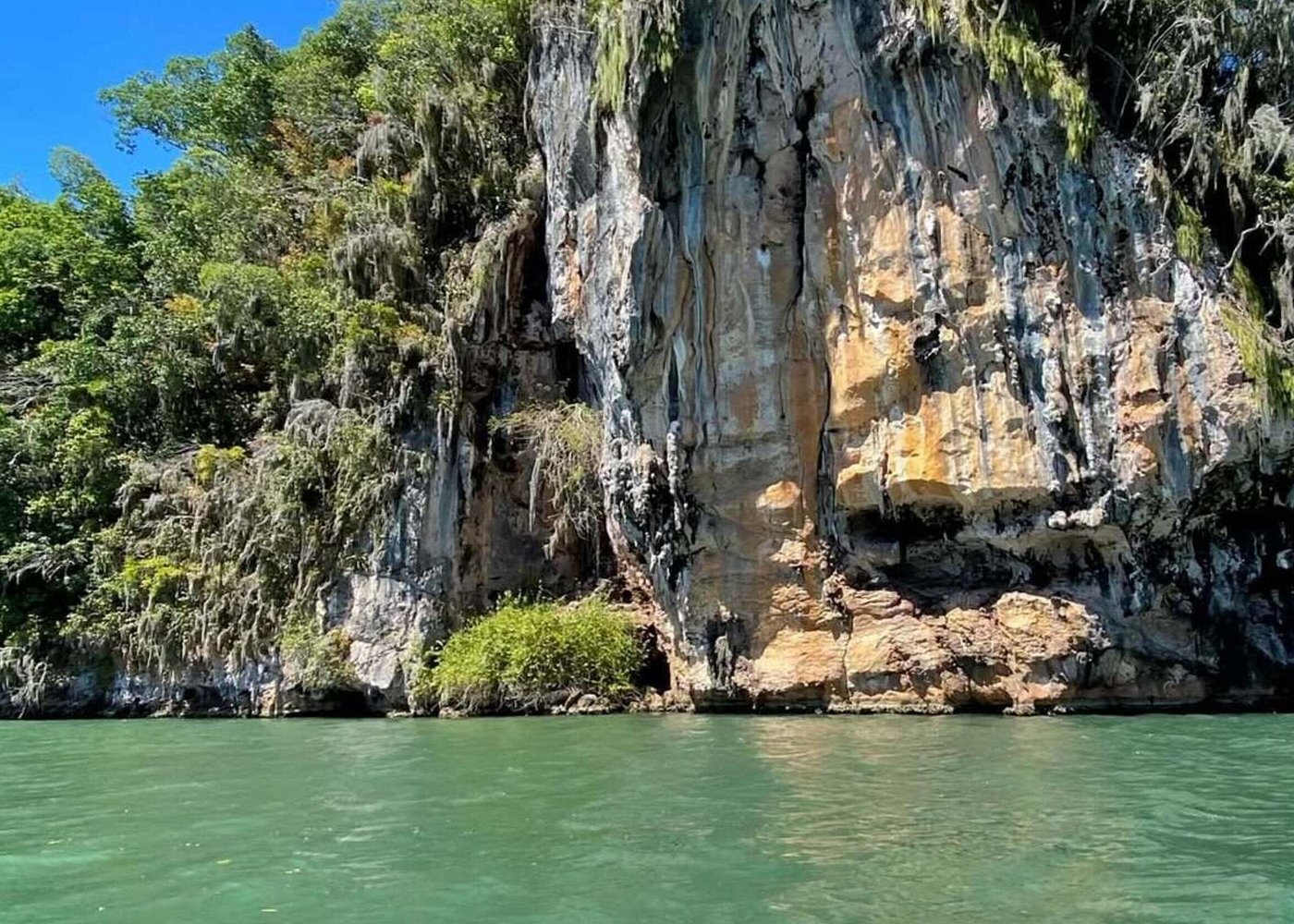
Los Haitises National Park is known for limestone formations, mangrove forests, caves, and tropical wildlife.
It offers an opportunity to understand the relationship between geology, forests, wetlands, and biodiversity.
Samaná's Coastal Environment
The peninsula's coastline provides a useful setting for learning about beaches, coastal vegetation, marine ecosystems, and environmental protection.
11. Frequently Asked Questions
When is whale season in Samaná in 2026?
The main humpback whale season generally takes place from January through March. The Dominican Republic officially opened its 2026 season on January 16.
What type of whales can be found in Samaná Bay?
The main species associated with the seasonal migration is the North Atlantic humpback whale (Megaptera novaeangliae).
Why do humpback whales visit Samaná?
They migrate to warmer tropical waters as part of their breeding and reproductive cycle.
Can children learn about whales in Samaná?
Yes. Whale biology, migration, marine ecosystems, and conservation are all useful educational subjects for children.
What do humpback whales eat?
Humpback whales mainly eat krill and small fish. They use baleen plates to filter food from seawater.
Are humpback whales dangerous?
Humpback whales are wild marine mammals and should always be treated with respect. Their size and unpredictable natural behavior mean people should never attempt to approach or interact with them directly.
Why are mother whales and calves protected?
Calves depend on their mothers for nourishment, protection, and early development. Reducing disturbance helps protect this important relationship.
Can people swim with whales in Samaná Bay?
No. Swimming with whales is prohibited under the whale-observation regulations in Samaná Bay.
Why is whale conservation important?
Whale conservation supports marine biodiversity, protects important habitats, and helps maintain healthy ocean ecosystems.
12. Final Thoughts
Samaná is one of the Caribbean's most important seasonal habitats for humpback whales.
Their annual migration provides a fascinating opportunity to understand marine biology, animal behavior, and the importance of protecting ocean ecosystems.
For families with children, learning about whales can be much more than discovering a famous marine animal. It can encourage curiosity about science, geography, wildlife, and environmental responsibility.
In 2026, Samaná's whale season continues to highlight the importance of responsible conservation and the protection of marine mammals for future generations.

Local explorer & expert guide in Whale Miches.