Dominican Republic Safety Guide 2026: Essential Tips for Samaná Travel
Planning a holiday in the Dominican Republic The country is famous for its Caribbean coastline, tropical landscapes, welcoming culture and beautiful destinations. Among its most appealing regions is the Samaná Peninsula, where visitors can discover scenic beaches, coastal communities, local food and natural attractions.
However, an enjoyable holiday begins with good preparation. Understanding local safety conditions, transportation, health precautions and weather risks can help you make more informed decisions throughout your trip.
This Dominican Republic Safety Guide 2026 explains the essential precautions visitors should understand before travelling to Samaná. From protecting personal belongings to staying healthy in a tropical climate, this guide will help you prepare for a more comfortable and responsible journey.
1. Is the Dominican Republic Safe to Visit in 2026?
The Dominican Republic welcomes international visitors throughout the year, but travellers should not assume that every destination or situation is completely risk-free.
Official travel advisories recommend exercising a high degree of caution because crime, including theft and violent crime, occurs in different parts of the country. Tourist areas may have additional security services, but visitors should remain aware of their surroundings.
Samaná is a popular destination for travellers interested in coastal scenery, local culture and nature. Nevertheless, the same general precautions that apply elsewhere in the country are important here.
Before travelling, check your government's latest travel advisory and review any destination-specific updates.
Important: Safety conditions can change. Information in this guide is intended as general travel guidance, not a guarantee of safety in any particular location.
2. Personal Safety Tips for Visitors
Looking after personal belongings and making sensible everyday decisions can reduce common travel risks.
Keep Valuable Belongings Secure
Avoid carrying large amounts of cash, expensive jewellery or unnecessary valuables when exploring towns and public areas.
Consider these precautions:
- Keep your passport and important documents in a secure place.
- Carry only the cash you expect to need during the day.
- Keep your mobile phone and camera secure when not in use.
- Avoid displaying expensive electronics unnecessarily.
- Keep bags and personal belongings within your sight.
- Make digital copies of important travel documents.
A photocopy or digital copy of your passport can be useful for identification purposes, but it does not replace the original document when official identification is required.
Be Careful in Unfamiliar Areas
When visiting unfamiliar neighbourhoods, remain aware of your surroundings. Choose established public areas and avoid isolated locations, particularly after dark.
If you are travelling with family or friends, agree on meeting points and keep one another informed about your plans.
Visitors who are under 18 should travel with a parent, guardian or another trusted responsible adult.
Use Accommodation Security Facilities
Choose reputable accommodation with appropriate security arrangements.
Before settling in, check how the property manages visitor access, room keys and emergency assistance. Use the accommodation's recommended procedures for securing personal belongings.
3. Transportation Safety in Samaná
Transportation is an important part of planning a visit to the Samaná Peninsula. Roads connect coastal communities and towns, but conditions can vary.
Choose Reliable Transportation
Use transportation arranged through your accommodation or a reputable, licensed provider.
Before starting a journey:
- Confirm the destination and agreed fare.
- Check that the vehicle is suitable for the journey.
- Wear a seat belt whenever one is available.
- Keep personal belongings secure.
- Share your travel arrangements with someone you trust.
- Avoid accepting unexpected rides from strangers.
For longer journeys, arranging transportation in advance can make planning easier.
Understand Local Road Conditions
Road conditions may differ between major routes and rural areas. Visitors may encounter potholes, uneven surfaces, limited lighting, animals on roads and changing traffic conditions.
For these reasons, travellers should avoid unnecessary journeys after dark and allow additional time for transportation.
Be Careful When Crossing Roads
Traffic conditions may be different from those in your home country.
Always check both directions before crossing, use appropriate pedestrian crossings where available and avoid assuming that approaching vehicles will stop automatically.
4. Beach and Coastal Safety in Samaná
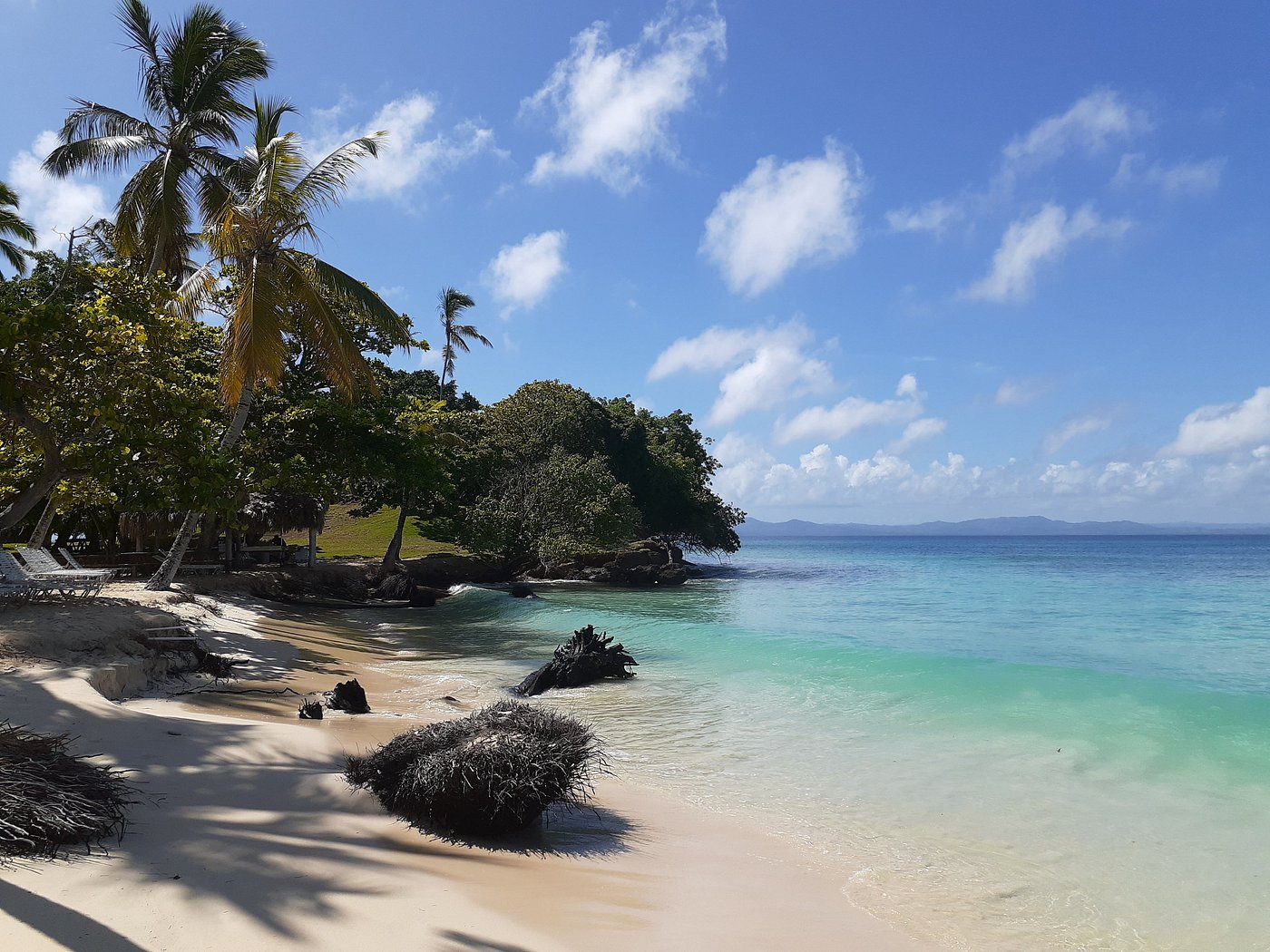
Samaná is well known for its coastal landscapes, beaches and beautiful ocean views. However, attractive coastal scenery does not always mean that water conditions are safe.
Ocean conditions can change because of wind, tides, currents and weather.
Check Local Beach Conditions
Before entering the water, pay attention to local warnings and instructions.
Remember these basic precautions:
- Follow official warning signs and beach flags.
- Respect areas marked as restricted.
- Ask responsible local authorities about current beach conditions.
- Never ignore warnings about strong currents or rough water.
- Avoid entering the water during severe weather.
- Do not assume that every beach has lifeguards or rescue services.
Some beaches have limited safety supervision. Visitors should never assume that emergency assistance will be immediately available.
Respect Coastal Environments
Keep beaches clean and avoid disturbing wildlife or sensitive natural areas.
Dispose of rubbish properly, respect marked conservation areas and follow instructions from local environmental authorities.
Responsible behaviour helps protect the natural beauty that makes Samaná special.
5. Health and Hygiene Precautions
A tropical holiday can expose visitors to unfamiliar food, weather conditions and health risks. A little preparation can help prevent common problems.
Drink Safe Water
Tap water in the Dominican Republic is generally not recommended for drinking.
Choose properly sealed bottled water or water supplied through a reliable purification system. Avoid drinking water when its source or treatment is uncertain.
Also pay attention to ice and beverages prepared with water from an unknown source.
Eat Food from Reliable Establishments
Enjoying local Dominican cuisine is an important part of the travel experience.
Choose clean food establishments and pay attention to food freshness and preparation.
Useful precautions include:
- Wash your hands before eating.
- Choose freshly prepared meals.
- Avoid food that has been left uncovered for long periods.
- Wash fresh fruit before eating.
- Make sure food is properly cooked.
- Keep food stored at appropriate temperatures.
Protect Yourself from Mosquitoes
Mosquitoes can transmit illnesses such as dengue and malaria in some areas.
To reduce exposure:
- Use an appropriate mosquito repellent.
- Wear lightweight clothing that covers your arms and legs when practical.
- Use window screens or mosquito nets where available.
- Keep accommodation doors and windows closed when appropriate.
- Follow current medical advice about mosquito-borne diseases.
Consult a healthcare professional before travelling if you need destination-specific vaccination or preventive health advice.
Protect Yourself from the Sun
The Caribbean sun can be intense, including on cloudy days.
Pack sunscreen, sunglasses and a suitable hat. Drink sufficient safe water and take breaks in shaded areas, especially during the hottest part of the day.
6. Weather Safety and Hurricane Season
Weather is an important consideration when planning a trip to the Dominican Republic.
The official Atlantic hurricane season runs from June 1 through November 30. September is generally one of the most active months.
During this period, tropical storms and hurricanes can bring heavy rainfall, strong winds, flooding and travel disruptions.
Monitor Weather Updates
Before visiting Samaná, check reliable weather forecasts and official weather warnings.
If severe weather is expected:
- Follow instructions from local authorities.
- Listen to accommodation staff about emergency procedures.
- Avoid flooded roads and low-lying areas.
- Stay away from rivers and fast-moving water.
- Keep your mobile phone charged.
- Know where emergency assistance is available.
Do not attempt to travel through flooded roads, even if the water appears shallow.
Understand Flooding and Landslide Risks
Heavy rainfall can affect roads, bridges and hillside areas.
Visitors should be especially careful when travelling through rural locations after prolonged rain. If authorities advise against travel, postpone the journey.
Know Basic Earthquake Precautions
The Dominican Republic is located in a seismically active region.
If an earthquake occurs, follow recognised earthquake safety guidance and instructions from local emergency authorities.
Visitors staying near the coast should also familiarise themselves with their accommodation's emergency and coastal evacuation procedures.
7. Accommodation Safety Tips
Choosing appropriate accommodation can make your stay more comfortable and help you manage everyday travel risks.
When comparing hotels, guesthouses and holiday properties, consider:
- Guest reviews and property reputation.
- Security arrangements at entrances.
- Availability of reception or staff assistance.
- Emergency contact information.
- Cleanliness and general maintenance.
- Access to medical facilities.
- Clear information about local transportation.
After checking in, identify the nearest exit and ask staff how to contact assistance if necessary.
Avoid sharing your room number, access codes or detailed accommodation information with strangers.
8. Money, ATMs and Payment Safety
The official currency of the Dominican Republic is the Dominican peso (DOP).
Visitors may find ATMs in established banks, shopping centres, supermarkets and other commercial locations.
Use ATMs Carefully
For greater peace of mind:
- Prefer ATMs inside banks or established commercial buildings.
- Make withdrawals during daylight hours.
- Cover the keypad when entering your PIN.
- Check the ATM for unusual attachments or visible damage.
- Avoid allowing strangers to assist with transactions.
- Keep your bank cards secure after use.
Avoid Carrying Too Much Cash
Carry only the money you need for planned daily expenses.
Keep emergency funds and additional payment methods in a separate secure location. Monitor your bank statements for unfamiliar transactions during your trip.
Understand Local Currency
Learn the basic appearance and value of Dominican peso notes before travelling.
When exchanging money, use recognised financial institutions or authorised exchange services rather than informal street exchanges.
9. Food, Drinks and Social Safety
Samaná offers a variety of traditional Dominican dishes and local dining experiences.
Visitors can explore local cuisine while making sensible choices about personal safety.
- Choose established restaurants and food establishments.
- Keep personal belongings close while dining.
- Do not leave food or drinks unattended.
- Do not accept opened drinks or unfamiliar items from strangers.
- Arrange your return transportation before going out.
- Stay with trusted travel companions.
If you feel uncomfortable in a public setting, move to a staffed and well-established location and contact someone you trust.
10. Emergency Numbers and Important Contacts
Knowing how to request help is an important part of international travel preparation.
The Dominican Republic's general emergency number is 911. However, emergency-service coverage may be limited in some locations, so visitors should also know how to contact their accommodation and relevant local authorities.
Useful contacts and preparations include:
- General emergency services: 911
- Tourist police: POLITUR (tourist police assistance)
- Accommodation reception: Save the property's direct contact number.
- Travel insurance provider: Keep its emergency assistance number accessible.
- Your country's embassy or consular service: Save the relevant contact information before departure.
The Canadian travel advisory also lists a tourist police contact number of +1 809 200 3500. Confirm current contact details before relying on them.
If an emergency occurs, explain your location as clearly as possible. Keep your passport information and insurance details accessible.
11. Travel Insurance and Medical Preparation
Travel insurance is an important part of preparing for an international holiday.
Medical treatment, unexpected hospital visits and changes to travel arrangements can create significant expenses.
Before departure, review your insurance policy carefully.
Check whether it includes:
- Emergency medical treatment.
- Hospital expenses.
- Emergency medical transportation.
- Trip cancellation or interruption.
- Lost or delayed baggage.
- Support for unexpected travel disruptions.
Also prepare a small personal medical kit containing appropriate everyday essentials.
If you take prescribed medication, carry it in its original packaging and bring the relevant prescription or medical documentation.
For destination-specific health recommendations, consult a qualified healthcare professional before travelling.
12. Staying Connected During Your Trip
Having reliable communication can make travel planning easier and help you request assistance when needed.
Before arriving in Samaná, consider how you will access mobile data and make local calls.
Useful preparations include:
- Check whether your mobile provider offers international roaming.
- Keep important phone numbers saved offline.
- Download maps for areas you plan to visit.
- Keep your phone charged.
- Carry a suitable power bank.
- Share your general itinerary with a trusted person.
- Use secure internet connections when accessing sensitive accounts.
Do not publish your live location, accommodation details or complete travel schedule publicly on social media.
13. Responsible and Respectful Travel in Samaná
Safety is not only about protecting yourself. It also involves respecting local communities, natural environments and cultural traditions.
Visitors can contribute to responsible tourism by following a few simple practices.
Respect Local Customs
The Dominican Republic has a rich cultural identity influenced by Spanish, African and Caribbean traditions.
Be polite when interacting with residents, ask permission before photographing people and respect local rules at religious or cultural locations.
Learning a few Spanish expressions can also make everyday communication easier.
Protect the Natural Environment
Samaná is known for its coastal scenery and natural landscapes.
Help protect these environments by:
- Avoiding littering.
- Respecting wildlife.
- Following conservation-area instructions.
- Avoiding damage to coral and coastal habitats.
- Using designated waste-disposal facilities.
- Respecting private property and restricted areas.
Responsible visitors help preserve the destination for future generations.
14. Essential Safety Checklist Before Visiting Samaná
Use this checklist to review your travel preparations before departure.
- Check your government's latest Dominican Republic travel advisory.
- Confirm passport validity and entry requirements.
- Arrange suitable travel insurance.
- Save emergency contact numbers.
- Confirm accommodation details.
- Plan reliable transportation.
- Prepare safe drinking water arrangements.
- Pack sunscreen and mosquito repellent.
- Check the weather forecast.
- Keep digital copies of important documents.
- Inform a trusted person about your itinerary.
- Understand your accommodation's emergency procedures.
Completing these preparations can help you feel more organised and confident before your holiday begins.
15. Frequently Asked Questions
Is Samaná safe for tourists in 2026?
Samaná is a recognised tourist destination, but visitors should follow the same precautions recommended for the Dominican Republic generally. Check current official travel advisories, protect personal belongings and avoid isolated areas, particularly after dark.
Is the Dominican Republic safe for first-time visitors?
First-time visitors can prepare for a more comfortable trip by choosing reputable accommodation, arranging reliable transportation, understanding local conditions and following official travel advice.
What is the emergency number in the Dominican Republic?
The general emergency number is 911. Coverage may be limited in some locations, so save additional local and accommodation contacts before travelling.
Is tap water safe to drink in Samaná?
Tap water is generally not recommended for drinking. Choose sealed bottled water or a reliable purified water supply.
When is hurricane season in the Dominican Republic?
The official Atlantic hurricane season runs from June 1 to November 30. Travellers should monitor official weather updates during this period.
Is it safe to walk around Samaná at night?
Conditions vary by location. Avoid isolated streets and poorly lit areas, and use transportation arranged through your accommodation when necessary.
Should I purchase travel insurance before visiting Samaná?
Yes. Travel insurance can help cover eligible unexpected medical expenses and travel disruptions. Review the policy to understand its exclusions and coverage limits.
Are medical services available in the Dominican Republic?
Medical facilities are available in major cities and tourist areas. However, healthcare access and standards can vary by location. Confirm that your insurance covers appropriate medical treatment and emergency transportation.
Conclusion
Samaná is an appealing destination for travellers interested in Caribbean scenery, local culture, traditional food and coastal communities. Like any international destination, it requires sensible preparation and awareness of local conditions.
By choosing reputable accommodation, arranging reliable transportation, protecting personal belongings, following health precautions and monitoring weather updates, visitors can make better-informed travel decisions.
Use this Dominican Republic Safety Guide 2026 as a starting point for planning your visit to Samaná. Most importantly, check current official travel advice before departure and follow local authorities throughout your stay.
A well-prepared traveller is better equipped to enjoy the beauty and culture of Samaná responsibly.

Local explorer & expert guide in Whale Miches.