Samaná Town Day Trip: Malecón, Bridges & Cultural Highlights from Las Terrenas (2026)
A visit to Samaná Town is an excellent way to discover another side of the Samaná Peninsula. While Las Terrenas is widely recognised for its beautiful beaches and international atmosphere, Samaná Town offers a more traditional Dominican setting, with a historic waterfront, colourful buildings, local markets and views across one of the country's most beautiful bays.
Officially known as Santa Bárbara de Samaná, the town is the provincial capital of Samaná. It sits along the southern side of the peninsula, surrounded by green hills and the waters of Samaná Bay.
For visitors staying in Las Terrenas, a day trip to Samaná Town provides an opportunity to experience local architecture, cultural heritage and everyday town life.
This guide explores the Malecón, the famous bridges, La Churcha, Pueblo Príncipe, the public market and other cultural highlights worth knowing about in 2026.
1. Where Is Samaná Town?
Samaná Town, officially Santa Bárbara de Samaná, is located on the southern coast of the Samaná Peninsula in northeastern Dominican Republic.
It is the administrative capital of Samaná Province and an important local centre for commerce, culture and tourism.
The town is positioned beside Samaná Bay, with green hills and small coastal islands contributing to its distinctive landscape.
Samaná Town at a Glance
- Official name: Santa Bárbara de Samaná
- Common name: Samaná Town
- Province: Samaná
- Country: Dominican Republic
- Geographical setting: Southern coast of the Samaná Peninsula
- Main waterfront: Malecón de Samaná
- Bay: Samaná Bay
- Nearby tourism destination: Las Terrenas
The town is one of the three principal visitor centres on the peninsula, alongside Las Terrenas and Las Galeras.
2. Why Visit Samaná Town from Las Terrenas?
Las Terrenas and Samaná Town have different identities.
Las Terrenas is known for its beach-town atmosphere, international restaurants and variety of coastal accommodation. Samaná Town offers a more traditional urban environment with historic landmarks and waterfront scenery.
A visit can provide a broader understanding of the peninsula's culture and geography.
Some highlights include:
- Walking through the waterfront area.
- Seeing the famous Samaná bridges.
- Discovering the town's historic architecture.
- Learning about its Afro-Caribbean heritage.
- Exploring the traditional public market.
- Understanding the importance of Samaná Bay.
- Discovering the region's whale heritage through museum exhibits.
For visitors interested in local culture rather than spending the entire holiday on the beach, Samaná Town offers a worthwhile change of scenery.
3. Malecón de Samaná: The Town's Waterfront
<AsyncImage query="Malecon de Samana Santa Barbara de Samana waterfront promenade bay Dominican Republic" aspectRatio="16:9" width="100%"/>
The Malecón de Samaná is one of the town's most recognisable landmarks.
Located along Avenida de la Marina, this waterfront promenade provides views across Samaná Bay and is an important public space for residents and visitors.
The bayfront landscape includes anchored boats, coastal buildings, green hills and the famous bridges extending across the water.
What Makes the Malecón Special?
The Malecón combines natural scenery with the everyday atmosphere of a Dominican coastal town.
Visitors can appreciate:
- Views across Samaná Bay.
- The surrounding green hills.
- Boats and maritime activity.
- Waterfront architecture.
- The town's local atmosphere.
- Photographic views of the bridges.
It is also an important part of the town's social identity, connecting the waterfront with nearby commercial and cultural areas.
Photography Around the Waterfront
The Malecón provides several attractive photographic subjects.
The bay, boats, bridges and surrounding hills create a distinctive coastal landscape.
The changing light throughout the day can also influence the appearance of the water and buildings.
4. The Famous Bridges of Samaná
<AsyncImage query="Los Puentes de Samana pedestrian bridges Cayo Linares Cayo Vigia Dominican Republic" aspectRatio="16:9" width="100%"/>
The Bridges of Samaná, known locally as Los Puentes de Samaná, are among the town's most recognisable attractions.
These elevated pedestrian bridges connect parts of the waterfront with small islands in Samaná Bay.
Their distinctive design makes them an important feature of the town's coastal identity.
Why Are the Bridges Famous?
The bridges provide a visual connection between the mainland and the small cays in the bay.
They are also known for their scenic views of the surrounding water and coastline.
The structures are frequently associated with the town's waterfront photography and local tourism identity.
Historical Background
The bridges date from the 1970s and were constructed during the administration of President Joaquín Balaguer.
They have since become an important landmark in Santa Bárbara de Samaná.
What Can Visitors Appreciate?
The bridges are notable for:
- Their elevated pedestrian design.
- Views of the surrounding bay.
- Their connection with the small cays.
- Their distinctive appearance in photographs.
- Their importance to Samaná's tourism identity.
The bridges demonstrate how architecture can become part of a destination's natural and cultural landscape.
Visitors should follow any local access restrictions or maintenance notices.
5. Pueblo Príncipe: Colourful Architecture and Local Character
<AsyncImage query="Pueblo Principe Samana Dominican Republic colorful Victorian style buildings" aspectRatio="16:9" width="100%"/>
Pueblo Príncipe is a recognisable architectural area near the waterfront.
It is known for colourful facades, decorative balconies and architectural details inspired by Victorian styles.
The buildings create an interesting contrast with the surrounding tropical landscape and traditional town architecture.
What Makes Pueblo Príncipe Interesting?
Its architectural appearance reflects the cultural influences that have shaped Samaná over time.
The area is particularly interesting for visitors who enjoy:
- Colourful buildings.
- Decorative balconies.
- Historical architecture.
- Urban photography.
- The relationship between architecture and local identity.
Pueblo Príncipe helps illustrate the distinctive character of Santa Bárbara de Samaná.
6. La Churcha: An Important Historical Landmark
<AsyncImage query="La Churcha St Peter Church Samana Santa Barbara historic wooden church" aspectRatio="16:9" width="100%"/>
La Churcha, also known as St. Peter's Church or Iglesia de San Pedro, is one of the most important historical buildings in Samaná Town.
Its wooden architectural style makes it different from many other churches in the Dominican Republic.
Historical and Cultural Background
La Churcha is closely connected to the history of Samaná's Afro-American community.
Its wooden structure was transported in sections from England during the early twentieth century.
The church represents an important part of the region's cultural and religious heritage.
Why Is La Churcha Important?
The building reflects the historical connections between Samaná and communities of African American origin who settled in the region during the nineteenth century.
Its architectural character and cultural importance make it a significant landmark for understanding the town's history.
Visitors interested in architecture, religion and local heritage may find it particularly meaningful.
7. Samaná Public Market: Everyday Dominican Life
<AsyncImage query="Mercado Publico de Samana Dominican Republic local fruit vegetable market" aspectRatio="16:9" width="100%"/>
The Samaná Public Market is an important part of everyday life in Santa Bárbara de Samaná.
Unlike the town's waterfront landmarks, the market offers a closer look at local commerce and food traditions.
It is associated with the sale of fresh produce and everyday household goods.
What Can Visitors Learn?
The market provides insight into the local economy and the food culture of the province.
Common products found in Dominican markets include:
- Tropical fruits.
- Vegetables.
- Plantains.
- Local agricultural products.
- Everyday household goods.
- Traditional food ingredients.
The market is also a place to observe how residents interact and participate in daily commercial activities.
Dominican Food Culture
The market reflects the importance of fresh agricultural products in Dominican cuisine.
Plantains, rice, beans, tropical fruits and vegetables are widely associated with everyday Dominican meals.
Visitors can learn about local culinary traditions simply by observing the variety of products and ingredients available.
8. Museo de las Ballenas: Understanding Samaná's Whale Heritage
<AsyncImage query="Museo de las Ballenas Samana Dominican Republic whale skeleton museum" aspectRatio="16:9" width="100%"/>
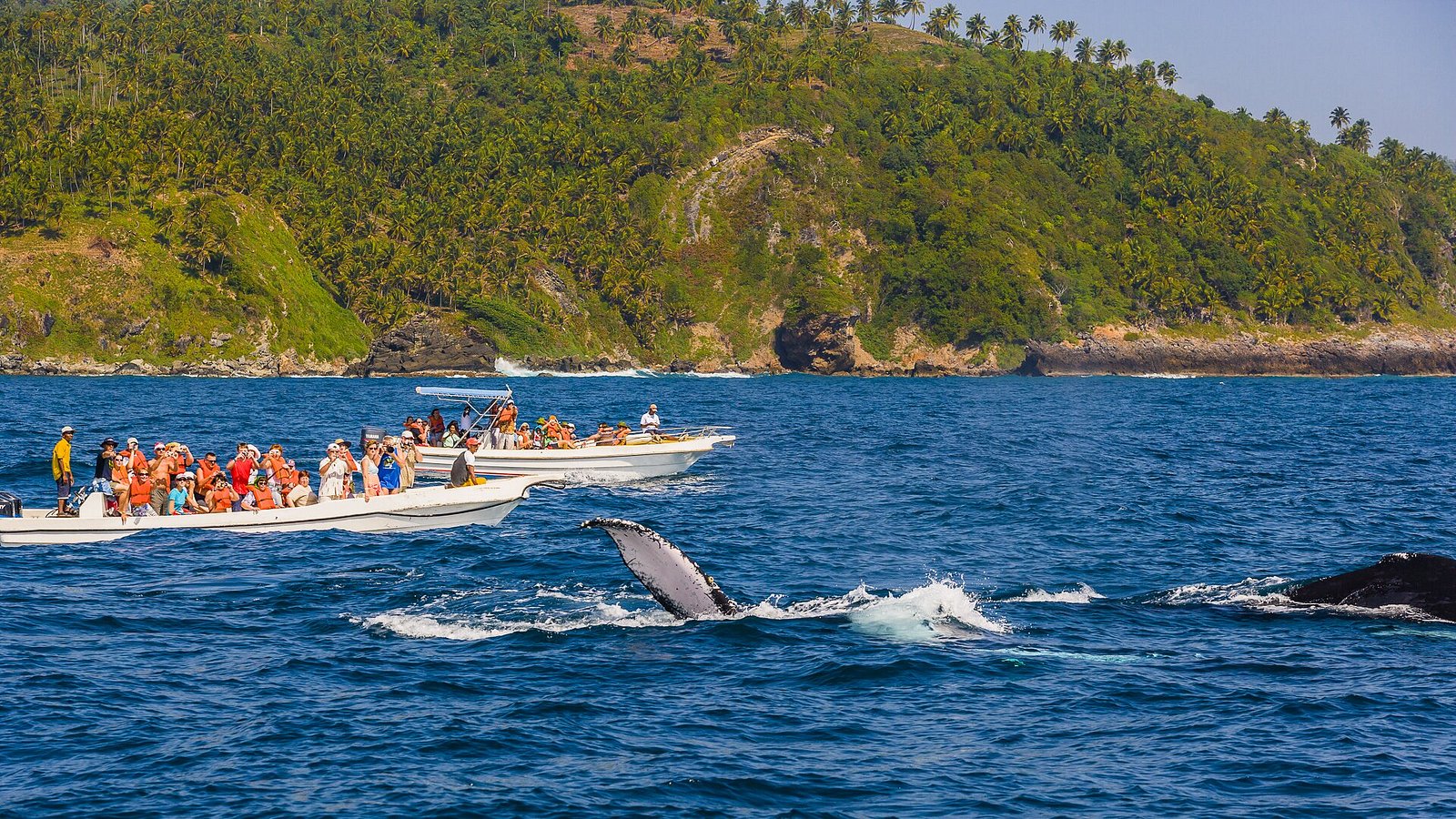
Samaná is internationally recognised for its connection with North Atlantic humpback whales.
Every year, humpback whales migrate to the waters around the region as part of their seasonal breeding cycle.
The Museo de las Ballenas, or Whale Museum, provides an educational introduction to this important marine heritage.
What Does the Museum Explore?
The museum is associated with exhibits about:
- Humpback whale biology.
- Migration.
- Whale behaviour.
- Marine conservation.
- The relationship between whales and Samaná Bay.
One of its notable displays is a large whale skeleton.
Why Is It Important?
Whales are an important part of Samaná's natural identity and tourism history.
The museum helps visitors understand why the bay has such ecological importance and why marine conservation matters.
It also provides an educational alternative for people interested in wildlife without needing to take part in a wildlife excursion.
9. Samaná Bay: The Natural Landscape Behind the Town
<AsyncImage query="Samana Bay Dominican Republic green hills small cays panoramic landscape" aspectRatio="16:9" width="100%"/>
Samaná Bay is one of the most recognisable natural features of northeastern Dominican Republic.
The bay is surrounded by green hills, coastal communities and small islands.
Its geography contributes to the region's importance for marine ecosystems and tourism.
A Distinctive Coastal Environment
The bay is known for its combination of:
- Coastal hills.
- Small islands and cays.
- Mangrove environments.
- Marine habitats.
- Coastal settlements.
- Scenic waterfront landscapes.
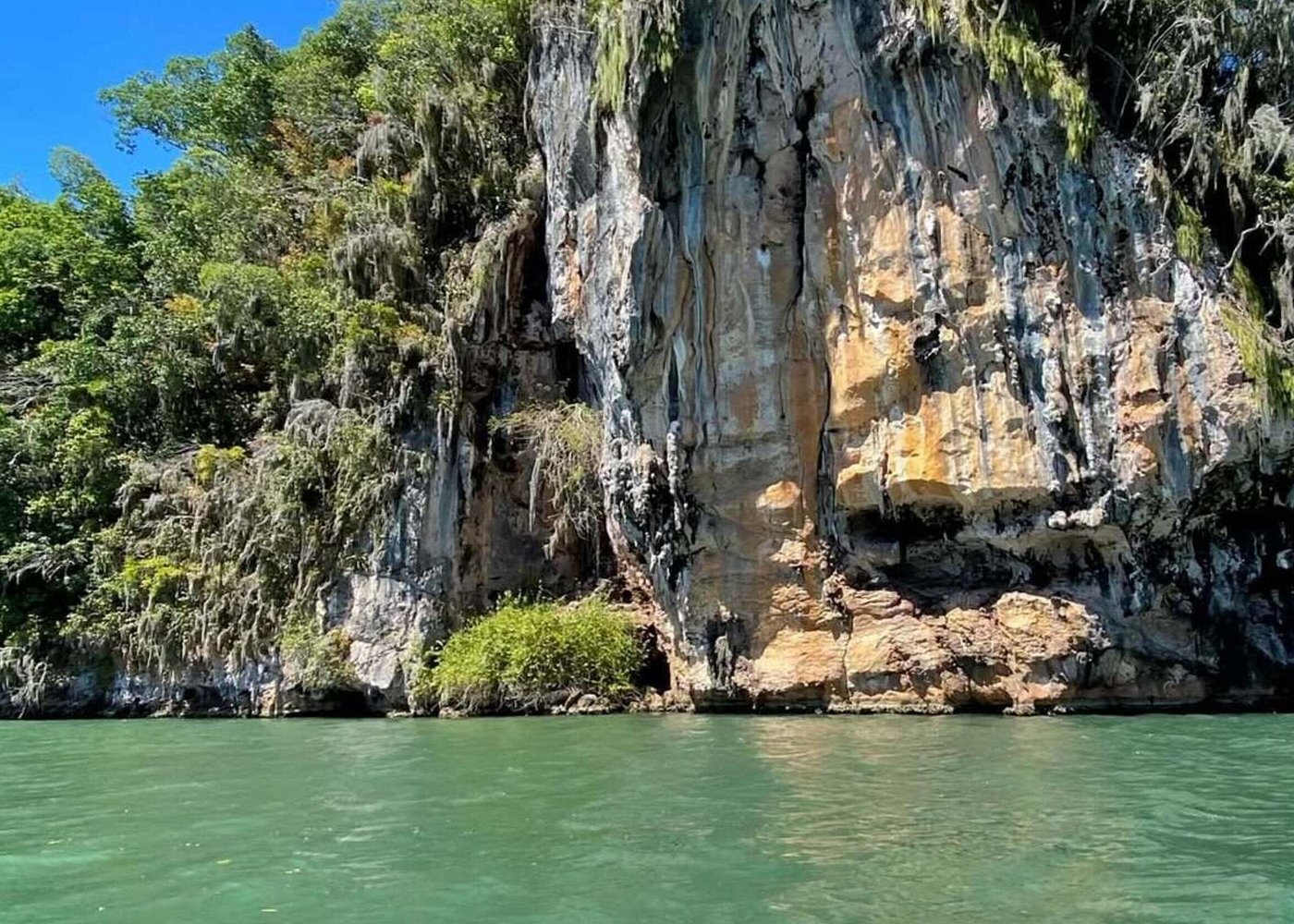
Across the bay, the limestone formations of Los Haitises National Park are part of the wider regional landscape.
The Importance of Conservation
Samaná Bay supports important marine and coastal ecosystems.
Mangroves, marine habitats and coastal environments contribute to biodiversity and ecological balance.
Responsible tourism and environmental protection are important for preserving these natural resources.
10. Local Culture and Food in Samaná Town
Samaná Town has a distinctive cultural identity shaped by Dominican traditions and the historical influence of Afro-Caribbean and Afro-American communities.
Its architecture, religious heritage, food and everyday commercial life reflect this mixture of influences.
Traditional Dominican Dishes
Visitors interested in the region's food culture can learn about several traditional Dominican dishes.
La Bandera Dominicana: A traditional meal associated with rice, beans and meat.
Mangú: Mashed green plantains, commonly served as part of breakfast.
Sancocho: A traditional stew prepared with a combination of ingredients.
Pescado con coco: Fish prepared with coconut-based ingredients, associated with coastal Dominican cuisine.
Fresh tropical fruits: Mangoes, papayas, pineapples and other fruits are common elements of Dominican food culture.
Local Cultural Identity
The cultural identity of Samaná is reflected in its architecture, music, religious traditions and local food.
Bachata and merengue are important parts of Dominican musical heritage.
Visitors can gain a deeper understanding of the region by appreciating its historic buildings and everyday community life.
11. Other Cultural Highlights Around Samaná
Beyond the main waterfront and historic landmarks, the wider province has several destinations of cultural and historical interest.
Sánchez
Sánchez is a historic town associated with fishing and maritime commerce.
Its traditional buildings and coastal setting provide another perspective on the history of Samaná Province.
Las Terrenas
Las Terrenas combines traditional Dominican influences with a more international tourism environment.
Its architecture, food culture and coastal communities contribute to the diversity of the peninsula.
El Limón
El Limón is a community known for its rural surroundings and agricultural landscape.
It forms part of the wider cultural and natural geography of Samaná.
These communities demonstrate that the peninsula is more than a collection of beaches. It is also a region with a distinctive history and local identity.
12. Why a Samaná Town Visit Is Different from Las Terrenas
Las Terrenas and Samaná Town offer different visitor experiences.
FeatureLas TerrenasSamaná TownMain identityDeveloped beach townTraditional provincial townMain scenerySandy beaches and tropical coastlineBayfront and green hillsArchitectureCoastal and international influencesHistoric and traditional town buildingsCultural attractionsLocal shops and coastal communityLa Churcha, Pueblo Príncipe and marketWaterfrontBeach-orientedMalecón and Samaná BayOverall atmosphereInternational coastal destinationLocal town and cultural centre
A visit to Samaná Town can therefore complement a longer stay in Las Terrenas.
It provides a chance to understand another part of the peninsula rather than focusing exclusively on beaches.
13. Responsible Visiting and Local Heritage
Samaná Town contains historic buildings, public spaces and cultural landmarks that form part of the local community.
Visitors can help protect these places through responsible behaviour.
Consider the following practices:
- Respect historic buildings and religious spaces.
- Follow local rules and access restrictions.
- Ask permission before photographing people.
- Avoid leaving rubbish in public areas.
- Support local artisans and legitimate small businesses.
- Respect residents and community activities.
- Avoid damaging architectural features.
- Follow notices at public landmarks.
Responsible tourism helps preserve the cultural identity that makes Samaná Town distinctive.
14. Frequently Asked Questions
Is Samaná Town the same as Santa Bárbara de Samaná?
Yes. Santa Bárbara de Samaná is the official name of the town commonly called Samaná Town.
Is Samaná Town worth visiting from Las Terrenas?
It can be an interesting cultural day-trip destination for visitors who want to explore historic architecture, the waterfront, local markets and the bridges of Samaná.
What is the Malecón of Samaná?
The Malecón is the town's waterfront promenade along Avenida de la Marina, with views across Samaná Bay.
What are the Bridges of Samaná?
They are elevated pedestrian bridges connecting the town's waterfront with small cays in Samaná Bay. They are among the town's most recognisable landmarks.
What is Pueblo Príncipe?
Pueblo Príncipe is a colourful architectural area near the waterfront, known for buildings with Victorian-inspired decorative features.
What is La Churcha?
La Churcha is a historic wooden church, also known as St. Peter's Church, closely connected to Samaná's Afro-American cultural heritage.
What is Museo de las Ballenas?
It is a museum dedicated to whales and marine life, helping visitors understand the importance of humpback whales to Samaná Bay.
Is Samaná Town the capital of Samaná Province?
Yes. Santa Bárbara de Samaná is the provincial capital.
What is Samaná Bay famous for?
Samaná Bay is recognised for its natural scenery, marine biodiversity and seasonal humpback whale migration.
Is Samaná Town different from Las Terrenas?
Yes. Las Terrenas is primarily known as a developed beach destination, while Samaná Town is a traditional provincial town with a historic waterfront and cultural landmarks.
Conclusion
Samaná Town offers a valuable opportunity to discover the cultural and historical side of the Samaná Peninsula.
Its Malecón, famous bridges, colourful Pueblo Príncipe buildings, historic La Churcha and traditional public market reveal a different atmosphere from the beach-focused environment of Las Terrenas.
The town's connection with Samaná Bay and its whale heritage adds another dimension to its identity.
For visitors staying in Las Terrenas, learning about Santa Bárbara de Samaná can make the wider peninsula easier to understand and appreciate. Beyond its beaches and natural scenery, Samaná is a region with a rich cultural history and distinctive local character.

Local explorer & expert guide in Whale Miches.