El Limón Waterfall, Samaná 2026: Tropical Scenery, Nature & Conservation
The Samaná Peninsula in the Dominican Republic is famous for its beautiful beaches, tropical mountains, lush vegetation, and impressive natural attractions. Among its most recognizable landmarks is El Limón Waterfall, also known as Salto El Limón.
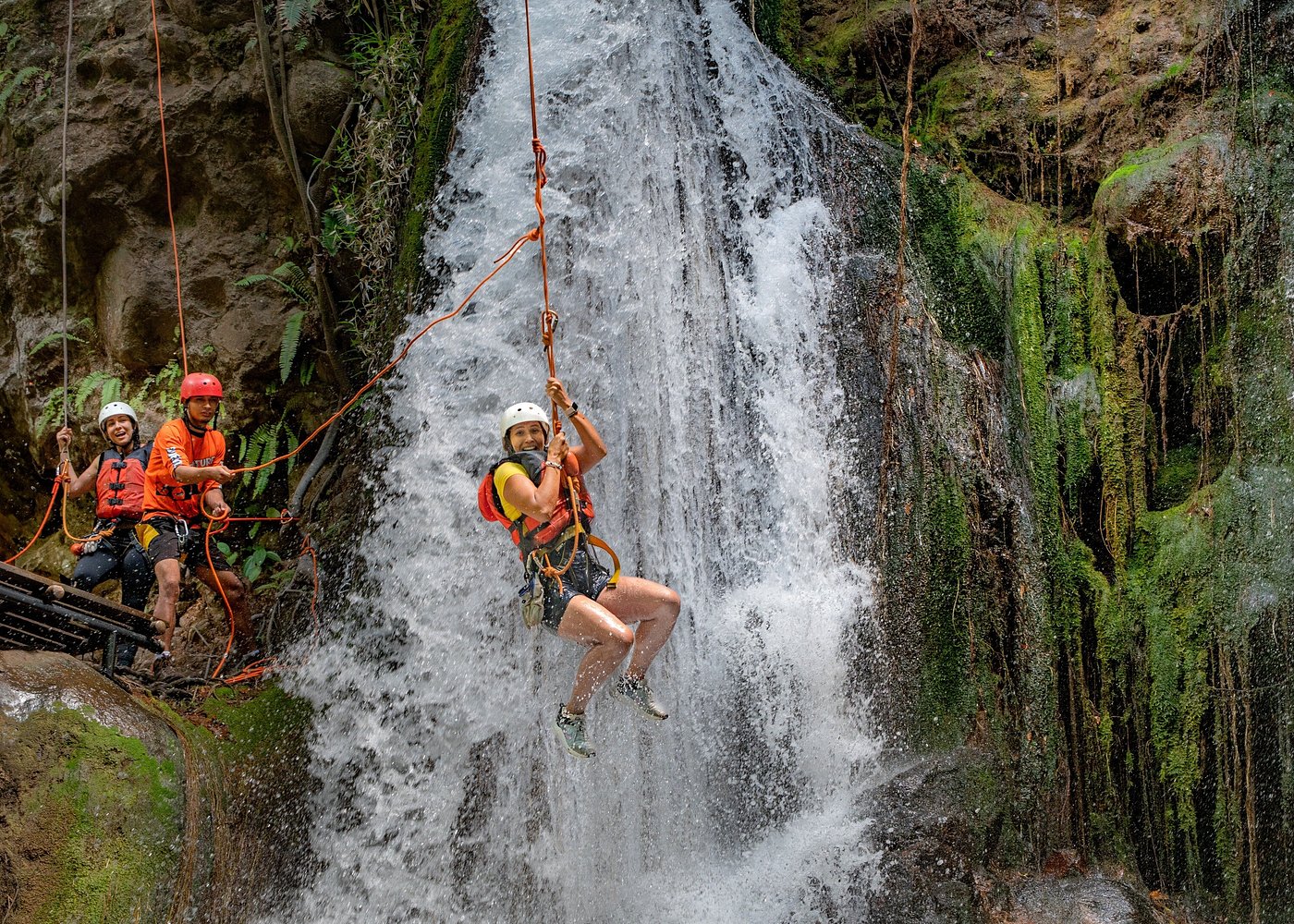
Surrounded by dense tropical vegetation, this spectacular waterfall creates a beautiful natural landscape in the heart of the peninsula. Its flowing freshwater, green surroundings, and distinctive mountainous setting make it an important part of Samaná's natural identity.
El Limón is more than a scenic waterfall. It represents the connection between freshwater ecosystems, tropical forests, local biodiversity, and environmental conservation.
This 2026 guide explores the waterfall's natural characteristics, geographical setting, surrounding vegetation, and ecological importance.
1. Where Is El Limón Waterfall Located?
El Limón Waterfall is located in the El Limón area of the Samaná Peninsula in northeastern Dominican Republic.
The waterfall is surrounded by tropical vegetation and mountainous terrain. Its location makes it one of the region's most recognizable freshwater landmarks.
The surrounding landscape includes:
- Tropical forest vegetation
- Mountainous terrain
- Freshwater streams
- Natural pools
- Coconut and palm trees
- Agricultural landscapes
- Diverse tropical birdlife
The wider El Limón area is known for its rural character and natural scenery.
Its geographical setting demonstrates the diversity of the Samaná Peninsula, where mountains, forests, rivers, and coastal environments exist close to one another.
2. How High Is El Limón Waterfall?
El Limón Waterfall is generally described as approximately 40–50 metres high, depending on the reference source and measurement used.
The Dominican Republic's General Directorate of Cinema describes the waterfall as approximately 50 metres high, while the country's tourism information commonly gives a figure of around 40 metres.
The water descends from the mountainous landscape into a natural freshwater pool surrounded by tropical vegetation.
Its impressive vertical drop makes it one of the most recognizable waterfalls in the Dominican Republic.
The height, surrounding forest, and freshwater environment contribute to its distinctive appearance.
3. The Natural Beauty of El Limón
The scenery surrounding El Limón Waterfall is an important part of its appeal.
Unlike coastal attractions dominated by sand and ocean views, this location represents the greener, mountainous side of Samaná.
The landscape features a combination of:
Tropical Vegetation
Dense vegetation surrounds the waterfall and creates a green environment throughout much of the year.
The humid tropical climate supports a variety of plants, including palms, shrubs, and other tropical species.
Freshwater Environment
The waterfall is part of a freshwater system that contributes to the ecological diversity of the surrounding area.
Freshwater environments provide habitats for organisms that depend on rivers, streams, and natural pools.
Mountainous Background
The waterfall descends from the elevated terrain of the Samaná Peninsula.
The surrounding hills and vegetation create an impressive natural setting.
Natural Pool
At the base of the waterfall, water collects in a natural pool.
This feature is an important part of the landscape and demonstrates how flowing freshwater shapes the environment over time.
4. The Tropical Forest Ecosystem Around El Limón
Tropical forests are among the most biologically diverse ecosystems in the world.
The vegetation surrounding El Limón forms part of the wider tropical environment of the Samaná Peninsula.
These forests support different types of plant and animal life.
Trees and Palm Species
Palm trees are an important visual feature of the Dominican Republic's tropical landscapes.
Other native and tropical plants contribute to the structure and biodiversity of the forest.
Birdlife
The Samaná region supports a variety of tropical birds.
Some recognizable species found in the Dominican Republic include:
- Palmchat
- Hispaniolan woodpecker
- Broad-billed tody
- Herons
- Egrets
Birds play important ecological roles, including seed dispersal and insect population control.
Insects and Small Wildlife
Tropical forest environments also support insects, amphibians, reptiles, and other small animals.
These organisms contribute to food webs and help maintain ecological balance.
5. Why Waterfalls Are Important to the Environment
Waterfalls are important geographical and ecological features.
They are part of natural freshwater systems that connect mountains, streams, rivers, and surrounding ecosystems.
Several environmental processes are associated with waterfalls.
Freshwater Movement
Waterfalls represent points where flowing water descends between different elevations.
This movement contributes to the natural circulation of freshwater through the landscape.
Habitat Formation
Streams and natural pools can provide habitats for aquatic organisms.
Different species depend on freshwater environments for feeding, reproduction, and shelter.
Geological Processes
Water continuously interacts with rock surfaces.
Over long periods, erosion and weathering can change the shape of river channels and surrounding geological features.
Forest Ecosystem Support
Freshwater systems contribute to the moisture conditions required by many tropical plants.
The relationship between water and vegetation is essential to the ecological character of the region.
6. The Connection Between El Limón and Samaná's Local Communities
The El Limón area is not only important for its natural environment but also for its local communities.
Rural communities around the Samaná Peninsula have longstanding connections with agriculture, traditional food, and natural resources.
The wider El Limón area is associated with local agricultural products such as:
- Cacao
- Coffee
- Coconut
- Pineapple
- Tropical fruits
These products contribute to the area's rural identity and traditional economy.
Community-based ecotourism has also played a role in connecting environmental conservation with local economic opportunities.
The Dominican Republic's geographical tourism research identifies the El Limón community ecotourism project as an example of cooperation between local organizations and environmental management.
7. El Limón and the Wider Natural Landscape of Samaná
El Limón is part of a wider region with several important natural environments.
The Samaná Peninsula includes coastal landscapes, mountains, freshwater ecosystems, tropical forests, and protected natural areas.
Samaná Bay
Samaná Bay is one of the region's most recognizable geographical features.
It is surrounded by coastal communities and green mountainous landscapes.
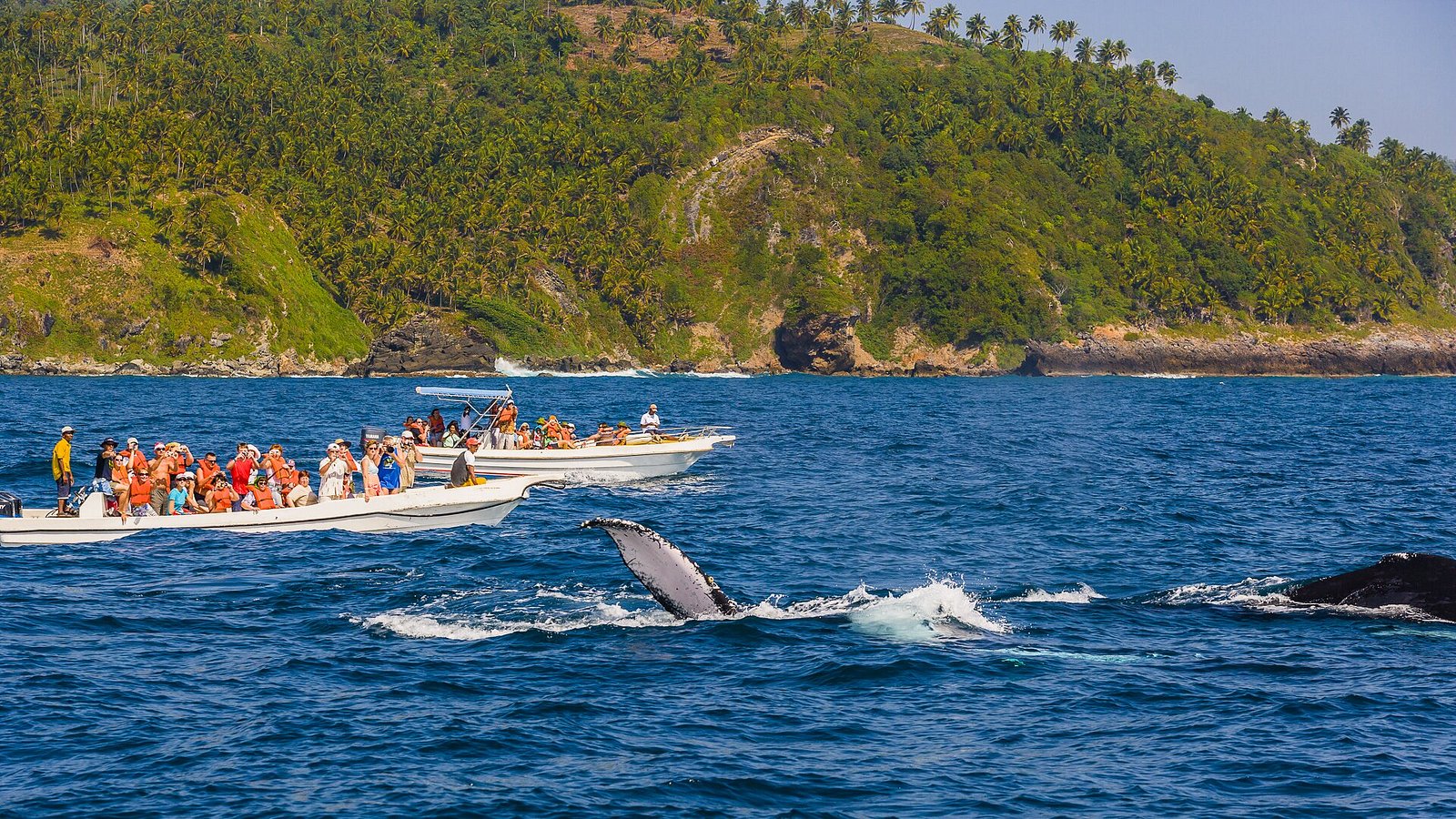
The bay is also internationally recognized for the seasonal migration of humpback whales.
Los Haitises National Park
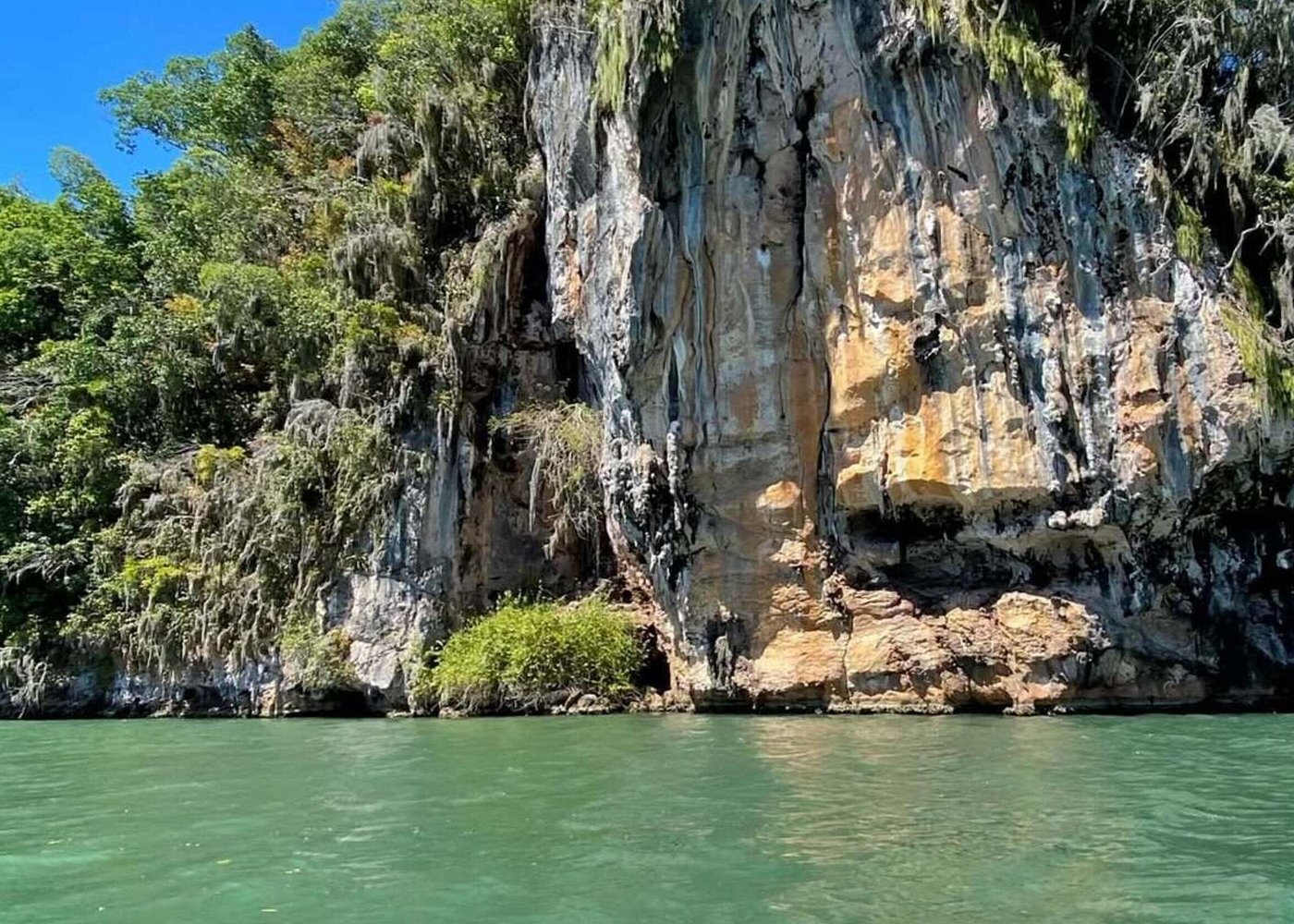
Los Haitises National Park is famous for its limestone formations, mangroves, caves, and tropical biodiversity.
It represents an important protected ecosystem in northeastern Dominican Republic.
Cayo Levantado
Cayo Levantado is a well-known island in Samaná Bay.
Its tropical scenery, coconut palms, and coastal landscape contribute to the region's tourism identity.
Together, these destinations demonstrate the ecological and geographical diversity of Samaná.
8. Weather and Seasonal Changes Around El Limón
Samaná has a tropical climate characterized by warm temperatures and varying rainfall throughout the year.
Weather conditions influence the appearance of the waterfall and surrounding vegetation.
Drier Periods
During relatively drier periods, vegetation may appear less saturated, while freshwater conditions can vary according to rainfall.
Rainier Periods
Rainfall contributes to the flow of rivers and streams.
The surrounding vegetation often appears especially lush during wetter periods.
However, heavy rainfall can also affect the condition of natural environments.
Tropical Climate
Warm temperatures and humidity support the growth of tropical plants.
These conditions are an important reason why the Samaná Peninsula has such a distinctive green landscape.
Visitors interested in environmental photography should remember that natural conditions change throughout the year.
9. Responsible Tourism and Waterfall Conservation
Waterfalls and freshwater ecosystems can be sensitive to environmental disturbance.
Protecting El Limón requires responsible environmental management and respect for the surrounding natural landscape.
Important conservation principles include:
Avoiding Water Pollution
Waste, plastics, chemicals, and other pollutants can damage freshwater ecosystems.
Proper waste management is essential for protecting rivers and natural pools.
Protecting Vegetation
Plants help stabilize soil and contribute to the ecological balance of the surrounding landscape.
Damaging vegetation can increase erosion and affect wildlife habitats.
Respecting Wildlife
Wild animals should be observed without disturbing their natural behavior.
Feeding or attempting to handle wildlife can create environmental problems.
Preventing Soil Erosion
Heavy disturbance of natural ground surfaces can contribute to soil erosion.
Protecting vegetation and following environmental regulations helps preserve the surrounding landscape.
Supporting Local Conservation
Responsible tourism can help local communities recognize the economic and environmental value of protecting natural resources.
10. Photography and the Scenery of El Limón
El Limón Waterfall offers several interesting subjects for landscape and nature photography.
Its combination of flowing water, green vegetation, and mountainous scenery creates a distinctive tropical environment.
Some photography themes include:
- The waterfall's vertical cascade
- Tropical forest vegetation
- Natural freshwater surroundings
- Palm trees and tropical plants
- Mountainous landscapes
- Water movement and natural textures
- The relationship between forest and freshwater
Photographers should respect conservation rules and avoid disturbing wildlife or damaging plants.
11. Frequently Asked Questions
Where is El Limón Waterfall located?
El Limón Waterfall is located in the El Limón area of the Samaná Peninsula in northeastern Dominican Republic.
What is the height of El Limón Waterfall?
Published descriptions commonly give an approximate height of 40–50 metres. The exact figure varies between sources.
What is El Limón Waterfall also called?
It is also known as Salto El Limón.
What makes El Limón Waterfall special?
Its tropical forest surroundings, impressive cascade, freshwater environment, and mountainous setting make it one of Samaná's best-known natural landmarks.
What kind of vegetation surrounds the waterfall?
The surrounding environment includes tropical plants, palm trees, shrubs, and other vegetation associated with humid tropical landscapes.
What wildlife is found in Samaná?
The wider region supports different tropical birds, reptiles, amphibians, insects, and other wildlife.
Why is El Limón important for nature conservation?
The waterfall is part of a freshwater and forest environment that contributes to regional biodiversity and supports local ecological processes.
Is El Limón Waterfall part of the Samaná Peninsula?
Yes. It is located within the Samaná Peninsula, one of the Dominican Republic's most recognizable natural regions.
12. Final Thoughts
El Limón Waterfall represents the natural beauty and ecological diversity of the Samaná Peninsula.
Its impressive cascade, tropical forest surroundings, freshwater environment, and mountainous landscape make it an important natural landmark in the Dominican Republic.
Beyond its visual appeal, the waterfall demonstrates the relationship between freshwater systems, tropical vegetation, wildlife, and local communities.
For anyone interested in understanding Samaná in 2026, El Limón offers a fascinating example of the region's natural character and the importance of protecting its freshwater environments.
Responsible environmental practices will help preserve this remarkable landscape for future generations.

Local explorer & expert guide in Whale Miches.