Samaná Bay 2026: Islands, Coastal Scenery, Mangroves & Marine Life
Samaná Bay is one of the most beautiful natural destinations in the Dominican Republic. Located along the northeastern coast of the country, this impressive bay is surrounded by green mountains, tropical vegetation, coastal communities, and small islands.
Its landscape combines turquoise waters, mangrove ecosystems, limestone formations, and remarkable marine biodiversity. The region is also internationally recognized for the seasonal arrival of humpback whales.
Although Samaná is frequently associated with coastal excursions and island experiences, its natural environment deserves attention beyond recreational activities. Its islands, wetlands, marine habitats, and cultural history make the region an interesting destination for nature lovers, photographers, and travelers interested in Caribbean geography.
This guide explores the main natural features of Samaná Bay, its surrounding islands, and the importance of protecting its coastal environment in 2026.
1. Where Is Samaná Bay Located?
Samaná Bay is located in the northeastern part of the Dominican Republic, along the southern side of the Samaná Peninsula.
The bay is bordered by tropical landscapes and coastal settlements, including Santa Bárbara de Samaná. Its surrounding geography includes islands, mangrove forests, wetlands, rivers, and limestone formations.
The region is part of a wider coastal ecosystem that supports numerous species of birds, fish, marine mammals, and tropical vegetation.
Samaná Bay is particularly important because it connects several different natural environments within one geographical area.
Its main characteristics include:
- Tropical coastal landscapes
- Small islands and cays
- Mangrove forests
- Marine habitats
- Mountainous surroundings
- Important wildlife areas
- Historic coastal communities
These features make Samaná Bay one of the most distinctive natural environments in the Caribbean.
2. Cayo Levantado: A Famous Island in Samaná Bay
Cayo Levantado is one of the best-known islands in Samaná Bay. It is also commonly called Bacardi Island because of its association with a famous tropical advertising campaign.
The island is recognized for its white-sand beaches, coconut palms, clear coastal scenery, and tropical atmosphere.
Its landscape represents the Caribbean image many travelers associate with the Dominican Republic.
Natural Characteristics
Cayo Levantado features:
- White sandy coastal areas
- Coconut palm vegetation
- Tropical coastal plants
- Clear surrounding waters
- Views of the surrounding bay
The island is an important part of Samaná's tourism identity and contributes to the area's reputation as a scenic Caribbean destination.
Why Is Cayo Levantado Famous?
The island is especially recognizable because of its tropical appearance and picturesque landscape.
Its combination of white sand, green vegetation, and blue water creates an attractive environment for photography and general sightseeing.
3. The Importance of Samaná's Mangrove Forests
Mangroves are among the most valuable ecosystems found around Samaná Bay.
These coastal forests grow in areas where land and seawater interact. Their unusual root systems allow them to survive in environments that many other plants cannot tolerate.
Mangroves provide several important environmental benefits.
Supporting Marine Biodiversity
Mangrove forests provide shelter and feeding habitats for different marine organisms.
Young fish and other aquatic species use mangrove environments as important nursery habitats.
These ecosystems also support birds and other wildlife.
Protecting Coastal Areas
Mangrove roots help stabilize coastal sediment and reduce shoreline erosion.
They also contribute to natural coastal protection during storms.
Improving Water Quality
Mangroves can trap sediments and help filter certain pollutants before they move into surrounding coastal waters.
Supporting Local Communities
Healthy mangrove ecosystems contribute to fisheries and the environmental stability of coastal communities.
The mangrove forests around Samaná Bay are therefore important not only for wildlife but also for the people who depend on the region's natural resources.
4. Los Haitises National Park and Its Connection to Samaná Bay
Los Haitises National Park is one of the Dominican Republic's most important protected natural areas.
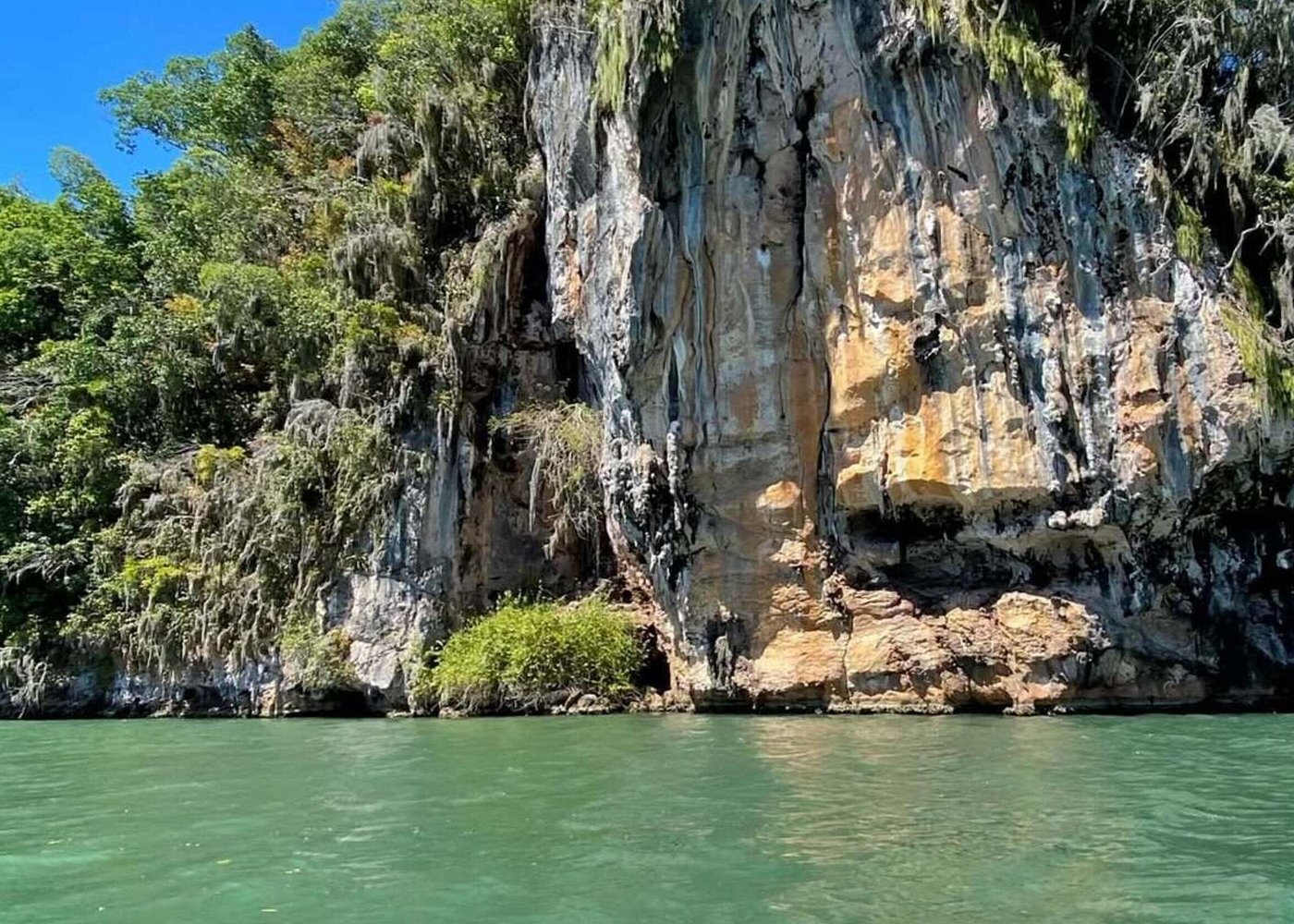
The park is recognized for its limestone formations, mangrove forests, caves, tropical vegetation, and diverse birdlife.
Its landscape is particularly distinctive because limestone hills rise dramatically above surrounding waters.
Limestone Formations
The park contains numerous limestone formations known as mogotes.
These geological structures developed over long periods through natural processes involving water and limestone.
Their unusual shapes create one of the most recognizable landscapes in the Dominican Republic.
Mangrove Ecosystems
Mangroves are another major feature of Los Haitises.
They support marine biodiversity and provide important habitats for birds and aquatic organisms.
Caves and Taíno Heritage
Los Haitises also contains caves with historical Taíno paintings and carvings.
These archaeological features provide insight into the island's Indigenous history and cultural heritage.
Wildlife
The protected environment supports a variety of wildlife, including:
- Pelicans
- Herons
- Egrets
- Hispaniolan woodpeckers
- Other tropical bird species
The park is an important example of the connection between geological landscapes, biodiversity, and cultural history.
5. Marine Life Around Samaná Bay
Samaná Bay is internationally recognized for its marine biodiversity.
Its waters support different forms of marine life, including fish, seabirds, and marine mammals.
Humpback Whales
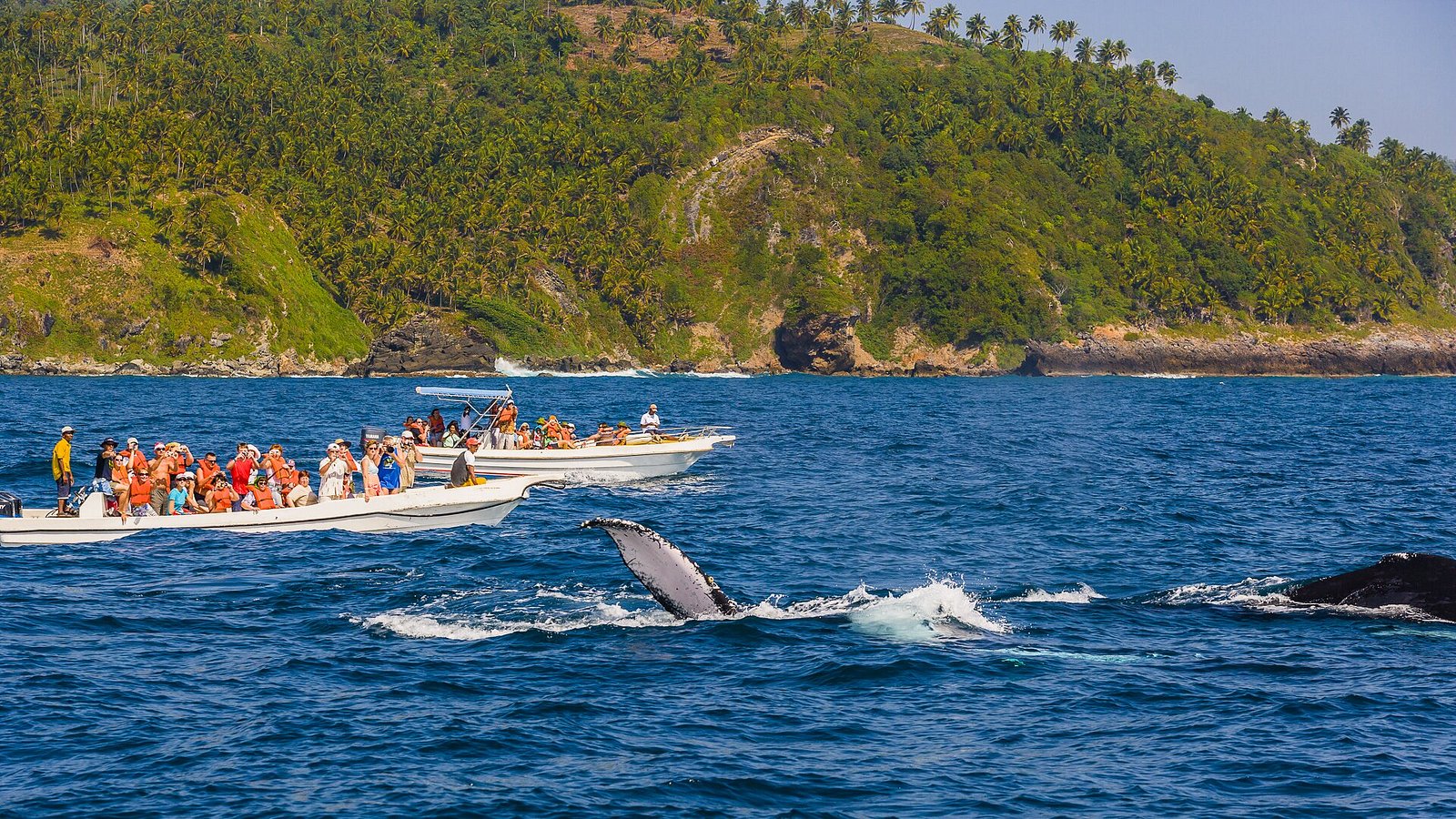
One of the bay's most famous natural visitors is the humpback whale.
These large marine mammals migrate to the warm waters around the Dominican Republic during the winter breeding season.
Their presence makes Samaná an internationally recognized location for whale conservation and marine education.
The seasonal migration generally takes place between January and March.
Tropical Fish
The coastal waters of the Samaná Peninsula support various tropical fish species.
These organisms form an important part of the marine food web and contribute to the ecological value of the region.
Coral Reefs
Coral reefs are important marine ecosystems because they provide habitats for many species.
They also contribute to coastal biodiversity and support the wider marine environment.
Healthy coral ecosystems are sensitive to pollution, physical damage, and changes in water temperature.
6. The Geography of Samaná's Coastal Landscape
The coastline around Samaná Bay combines several geographical features.
These include:
- Rocky coastal areas
- Sandy beaches
- Small offshore islands
- Mangrove wetlands
- Tropical hills
- Limestone formations
- River mouths and estuaries
This variety creates different habitats within a relatively compact region.
The relationship between mountains, freshwater systems, mangroves, and marine environments is one of the most interesting aspects of Samaná's geography.
For visitors interested in environmental science, the region provides a useful example of how terrestrial and marine ecosystems interact.
7. Santa Bárbara de Samaná: The Cultural Center of the Bay
Santa Bárbara de Samaná is the provincial capital and one of the main communities overlooking Samaná Bay.
The town has a distinctive waterfront atmosphere and a history closely connected with fishing, maritime activity, trade, and cultural exchange.
Samaná Malecón
The Malecón is a waterfront promenade with views across the bay.
It is one of the town's recognizable public spaces and provides an opportunity to appreciate the coastal landscape.
Samaná Bridge
Samaná Bridge is another well-known landmark.
Its raised walkways connect small islands near the waterfront and create a distinctive feature in the bay's scenery.
La Churcha
La Churcha is an important historical church associated with the African American families who settled in Samaná during the nineteenth century.
Its wooden architecture and cultural background contribute to the area's historical identity.
Local Culture
The region has a distinctive cultural heritage influenced by Dominican traditions and the history of its coastal communities.
Local food, architecture, language traditions, and community celebrations all contribute to the identity of Samaná.
8. The Seasonal Importance of Samaná Bay
Samaná Bay has a tropical climate, with warm temperatures throughout the year.
However, different periods bring different environmental characteristics.
January to March
This period is particularly important because of the seasonal arrival of humpback whales.
It is also one of the most internationally recognized periods in Samaná's natural tourism calendar.
April to June
The region continues to experience warm tropical conditions.
Its green landscapes, coastal communities, and natural attractions remain important features of the destination.
July to September
The summer period brings warm weather and varying rainfall.
The tropical vegetation around the peninsula contributes to the area's lush appearance.
October to December
The region continues to experience tropical weather conditions.
Travelers interested in nature and scenery should pay attention to local weather information and seasonal environmental conditions.
9. Responsible Coastal Tourism in Samaná
Samaná's natural environment is an important part of its tourism identity.
Protecting the bay requires responsible decisions from visitors, local communities, businesses, and environmental authorities.
Some important principles include:
Protecting Marine Wildlife
Marine animals should be observed respectfully without disturbing their natural behavior.
Visitors should follow applicable wildlife-protection regulations.
Preventing Plastic Pollution
Plastic waste can harm marine animals and damage coastal environments.
Reducing disposable plastic and disposing of rubbish properly helps protect the bay.
Respecting Mangrove Forests
Mangroves are important natural habitats.
Their roots and surrounding ecosystems should not be disturbed or damaged.
Protecting Coral Reefs
Coral reefs are sensitive environments that require careful conservation.
Avoiding physical damage and reducing pollution are important ways to support their protection.
Supporting Local Communities
Respecting local traditions and supporting responsible community businesses can contribute to sustainable tourism development.
10. Photography Around Samaná Bay
Samaná Bay offers excellent subjects for nature and landscape photography.
Some popular photography themes include:
- Tropical islands surrounded by blue water
- Green mountains along the coastline
- Mangrove forests
- Traditional fishing communities
- The waterfront of Santa Bárbara de Samaná
- Samaná Bridge
- Tropical birds and coastal vegetation
- Limestone formations around Los Haitises
The changing light throughout the day creates different photographic opportunities.
Early morning and late afternoon often provide attractive natural lighting.
Photographers should respect wildlife, private property, and local conservation rules.
11. Frequently Asked Questions
Where is Samaná Bay located?
Samaná Bay is located in northeastern Dominican Republic, along the southern coast of the Samaná Peninsula.
What is the most famous island in Samaná Bay?
Cayo Levantado is one of the most famous islands in the bay. It is also known as Bacardi Island.
Why is Samaná Bay famous?
The bay is known for its tropical landscapes, islands, mangrove forests, coastal communities, and seasonal humpback whale migration.
What is special about Los Haitises National Park?
Los Haitises is known for its limestone formations, mangrove ecosystems, caves, tropical vegetation, and birdlife.
When do humpback whales visit Samaná Bay?
Humpback whales generally visit the region between January and March during their seasonal migration.
Why are mangroves important in Samaná?
Mangroves provide habitats for marine life, support coastal biodiversity, stabilize sediment, and help protect coastal communities from erosion.
Is Samaná Bay important for conservation?
Yes. Its mangroves, marine habitats, wildlife, and connection to protected natural areas make it an important region for biodiversity conservation.
What makes Samaná different from other Caribbean destinations?
Its combination of tropical mountains, coastal islands, mangrove forests, marine biodiversity, and distinctive cultural heritage gives Samaná a unique character.
12. Final Thoughts
Samaná Bay is much more than a beautiful coastal destination. Its islands, mangroves, marine ecosystems, and surrounding communities form an important natural and cultural landscape.
From the tropical scenery of Cayo Levantado to the limestone formations of Los Haitises National Park, the region offers a fascinating look at the environmental diversity of the Dominican Republic.
For visitors exploring Samaná in 2026, understanding and respecting its natural ecosystems can make the destination even more meaningful.
Responsible tourism helps preserve the bay's beauty, protect its wildlife, and support the communities that call this remarkable region home.

Local explorer & expert guide in Whale Miches.