Playa Bonita Guide 2026: Sand, Scenery & Visitor Essentials
Playa Bonita is one of the most attractive coastal destinations on the Samaná Peninsula in the Dominican Republic. Located near Las Terrenas, this beautiful beach is known for its golden sand, tropical palm trees, coastal scenery and relaxed atmosphere. Its natural surroundings make it an appealing destination for visitors who want to experience the Caribbean side of the country's northern coastline.
Unlike some heavily developed resort destinations, Playa Bonita has a relatively intimate atmosphere, with smaller accommodation properties and establishments close to the shoreline. The beach combines natural beauty with convenient access to the wider Las Terrenas area.
This 2026 guide explores Playa Bonita's location, landscape, sand, coastal environment, nearby attractions and general visitor information.
1. Where Is Playa Bonita Located?
Playa Bonita is located in Las Terrenas, on the northern coast of the Samaná Peninsula in northeastern Dominican Republic.
The beach is part of the municipality of Las Terrenas, a popular coastal destination known for its beautiful beaches, international atmosphere and tropical landscapes.
Playa Bonita is situated west of the central Las Terrenas area, between the town's main coastal neighbourhoods and the wider Playa Cosón coastline.
Its geographical setting gives visitors a combination of natural coastal scenery and proximity to local services.
Playa Bonita Location Overview
- Beach: Playa Bonita
- Town: Las Terrenas
- Province: Samaná
- Country: Dominican Republic
- Region: Samaná Peninsula
- Coastline: Northern Atlantic coast
- Nearby destination: Playa Cosón
The Dominican Republic's official tourism website identifies Playa Bonita and Playa Cosón among the notable beaches surrounding Las Terrenas.
2. What Makes Playa Bonita Special?
Playa Bonita stands out because of its combination of tropical vegetation, attractive shoreline and relatively peaceful coastal atmosphere.
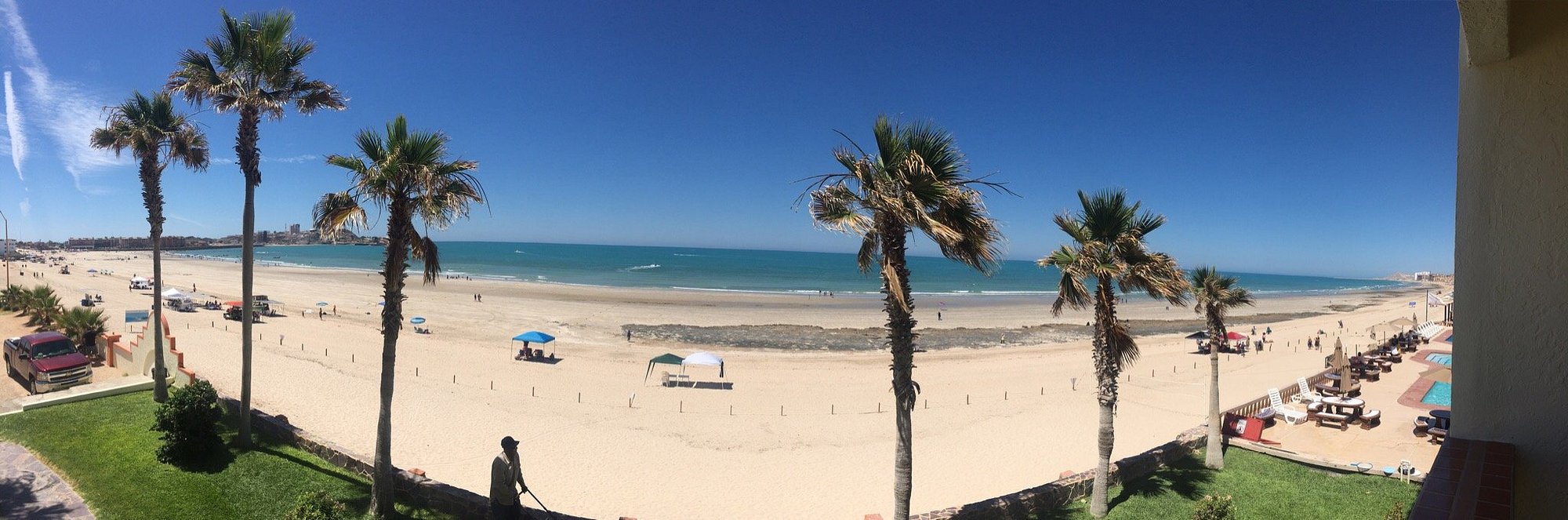
The landscape includes golden sand, coconut palms and views across the Atlantic Ocean. Smaller hotels and accommodation properties contribute to the area's character without creating the appearance of a large resort complex.
Some of the features that make the beach memorable include:
- Palm-lined coastal scenery.
- Golden sandy shoreline.
- Tropical vegetation.
- Views of the Atlantic Ocean.
- A quieter atmosphere than some central tourist areas.
- Accommodation properties close to the coast.
- Its location near other beaches around Las Terrenas.
The beach is particularly appealing to visitors interested in photography, coastal landscapes and a relaxed seaside environment.
3. Playa Bonita's Sand and Coastal Landscape
One of Playa Bonita's most recognisable features is its attractive sandy shoreline.
The beach has a tropical coastal landscape, with palms and greenery creating a natural background. The combination of sand, vegetation and ocean views gives the area its distinctive appearance.
The shape and width of a beach can change with tides, weather and coastal conditions. Visitors may notice differences in the amount of exposed sand at different times.
The surrounding vegetation also contributes to the natural character of the area. Coconut palms and other tropical plants are part of the scenery associated with this section of the Samaná coastline.
For photographers, the beach provides opportunities to capture coastal landscapes, palm trees, ocean horizons and the changing colours of the sky.
4. Surf Culture and Playa Bonita's Coastal Identity
Playa Bonita is recognised as one of the beaches associated with the surf culture around Las Terrenas.
The northern coast of the Samaná Peninsula is influenced by Atlantic Ocean conditions, and its beaches have different coastal characteristics. This contributes to the area's reputation as a destination connected with a variety of ocean sports.
Surfing is part of the broader identity of the Las Terrenas coastline, but ocean conditions can change and water activities involve risks. Visitors should not assume that the sea is suitable for swimming or other activities simply because the beach looks calm.
For a general beach visit, enjoying the scenery from the shoreline is a way to appreciate the landscape without entering changing ocean conditions.
5. The Atmosphere Around Playa Bonita
Playa Bonita is known for a more relaxed atmosphere than the busier central parts of Las Terrenas.
Its surroundings include smaller accommodation properties, tropical gardens and establishments close to the beach. This creates a coastal setting where visitors can appreciate the natural environment while remaining near the town.
The atmosphere can vary according to the time of year, weather and number of visitors.
Weekdays and quieter travel periods may feel different from weekends and peak holiday periods. Seasonal changes can also influence the appearance of the coastline.
For visitors who appreciate peaceful coastal scenery, Playa Bonita offers a different experience from larger, highly developed resort areas.
6. How Is Playa Bonita Different from Other Las Terrenas Beaches?
Las Terrenas has several beaches, each with its own landscape and atmosphere.
Playa Bonita
Playa Bonita is known for its palm-lined coastline, attractive sand and relatively intimate surroundings. Its location near Las Terrenas makes it part of the municipality's established coastal tourism area.
Playa Cosón
Playa Cosón is another well-known beach west of Las Terrenas. It is recognised for its extensive coastline and more open natural landscape.
Compared with Playa Bonita, Cosón generally offers a broader sense of space and a longer stretch of coast.
Playa Las Ballenas
Playa Las Ballenas is closer to the central town area. Its location makes it part of the more developed coastal environment around Las Terrenas.
Playa Punta Popy
Punta Popy is another recognised beach in Las Terrenas. It forms part of the town's wider beach landscape and is associated with the area's coastal recreation culture.
Beach Comparison
BeachGeneral characterSettingPlaya BonitaPalm-lined and scenicWest of central Las TerrenasPlaya CosónExtensive and openWest of Playa BonitaPlaya Las BallenasClose to townCentral Las TerrenasPlaya Punta PopyEstablished coastal areaNear the town centre
Each beach has a different atmosphere, so the best choice depends on whether visitors prefer a more natural-looking coastline, a long open beach or proximity to town.
7. How to Find Playa Bonita
Playa Bonita is located within the Las Terrenas coastal area in Samaná Province.
Visitors researching the destination can use the name Playa Bonita, Las Terrenas, Dominican Republic in a digital map application to identify its general location.
Las Terrenas is the main nearby town and an established destination on the Samaná Peninsula. The official Dominican Republic tourism website provides destination information for Las Terrenas and identifies Playa Bonita among its surrounding beaches.
The beach is part of the wider Las Terrenas coastal area rather than a separate municipality.
Understanding the Surrounding Geography
The general geographical relationship is:
- Las Terrenas is the nearby coastal town.
- Playa Bonita lies west of the central town area.
- Playa Cosón is farther along the western coastline.
- Samaná is the province containing Las Terrenas.
- The Samaná Peninsula is located in northeastern Dominican Republic.
Visitors should use current maps and local information for any journey arrangements, as road conditions and transport availability can change.
8. Accommodation and the Surrounding Area
The Playa Bonita area includes smaller hotels, guesthouses and other accommodation properties.
Its accommodation environment is different from destinations dominated by large all-inclusive resorts. Smaller properties contribute to the area's more intimate coastal character.
Visitors researching accommodation should consider:
- Distance from the beach.
- Available room facilities.
- Whether meals are provided.
- Internet availability.
- Accessibility and transport arrangements.
- Recent guest reviews.
- Current accommodation policies.
Accommodation availability and prices can change throughout the year, so current information should be checked directly with the relevant property.
9. Food and Local Culture Near Playa Bonita
Las Terrenas has a diverse food culture influenced by Dominican traditions and international communities.
Visitors can find a mixture of local and international food in the wider town area. Dominican cuisine is an important part of the region's cultural identity.
Some well-known Dominican dishes include:
La Bandera Dominicana
La Bandera is a traditional Dominican meal commonly associated with rice, beans and meat. It is an important example of everyday Dominican food culture.
Mangú
Mangú is made from mashed green plantains and is often served as part of a traditional breakfast.
Sancocho
Sancocho is a traditional Dominican stew prepared with different ingredients and commonly associated with family gatherings and special occasions.
Fresh Tropical Fruits
The Dominican Republic produces a variety of tropical fruits, including mangoes, papayas, pineapples and coconuts.
The wider Las Terrenas area provides an opportunity to experience these food traditions alongside international culinary influences.
10. Photography and Natural Scenery
Playa Bonita is a visually attractive destination for people interested in coastal photography.
Its natural features create several photographic subjects:
- Coconut palms along the shoreline.
- Golden sand and ocean views.
- Tropical vegetation.
- Coastal buildings and gardens.
- Changing sky colours.
- Natural landscape details.
The changing light throughout the day can create different photographic effects.
Morning light may highlight the colours of the vegetation and sand, while late-afternoon light can create warm tones across the coastal landscape.
Visitors should respect private property and avoid disturbing wildlife or damaging coastal vegetation while taking photographs.
11. Best Time of Year to Appreciate Playa Bonita
The Dominican Republic has a warm tropical climate, and Playa Bonita can be appreciated throughout much of the year.
However, weather conditions vary by season.
December to April
This period is generally associated with drier weather across much of the Dominican Republic. It is also a popular travel period, so visitor numbers can increase.
May to August
These months can bring warmer and more humid conditions. Weather patterns vary, and occasional rainfall is possible.
September to November
This period can experience increased rainfall and tropical weather disturbances. Visitors should pay attention to official weather information when planning coastal travel.
The best time for a visit depends on personal preferences, weather conditions and the overall travel schedule.
No particular season guarantees calm ocean conditions.
12. Beach Environment and Responsible Visiting
Playa Bonita is part of a coastal environment that deserves responsible care.
Beaches are important natural spaces. They support coastal vegetation, marine ecosystems and local communities.
Visitors can help protect the area through simple responsible practices:
- Avoid leaving rubbish on the sand.
- Use designated waste-disposal facilities.
- Do not damage plants or coastal vegetation.
- Avoid disturbing wildlife.
- Respect private property.
- Follow local environmental notices.
- Use reusable water bottles where practical.
- Respect other visitors and the local community.
Responsible tourism helps maintain the natural beauty that makes Playa Bonita an attractive destination.
13. Important Coastal Safety Considerations
Although Playa Bonita is visually appealing, the Atlantic coastline is a natural environment where conditions can change.
Waves, currents, tides and weather can influence the shoreline. A beach that appears calm at one moment may experience different conditions later.
Visitors should:
- Pay attention to local warnings and posted notices.
- Follow guidance from responsible local authorities.
- Avoid entering the ocean during unsafe conditions.
- Keep children under close adult supervision near the water.
- Avoid assuming that the presence of other visitors means conditions are safe.
- Respect restricted or protected areas.
Visitors should also remember that not every section of a beach has the same conditions.
Enjoying the scenery from a safe location is an excellent way to appreciate Playa Bonita's coastal landscape.
14. Is Playa Bonita Worth Knowing About?
Playa Bonita is an important part of the Las Terrenas beach landscape.
Its combination of tropical vegetation, attractive sand, smaller accommodation properties and proximity to the town gives it a distinctive character.
It may be especially interesting to people who appreciate:
- Natural coastal scenery.
- Photography and landscape observation.
- Tropical beaches.
- Dominican food and culture.
- Smaller coastal communities.
- The geography of the Samaná Peninsula.
Its location also makes it a useful reference point when learning about the wider group of beaches surrounding Las Terrenas.
15. Frequently Asked Questions About Playa Bonita
Where is Playa Bonita located?
Playa Bonita is located in Las Terrenas, Samaná Province, on the northern coast of the Samaná Peninsula in the Dominican Republic.
Is Playa Bonita in Las Terrenas?
Yes. Playa Bonita is part of the Las Terrenas coastal area and is one of the beaches associated with this municipality.
What is Playa Bonita known for?
It is known for its golden sand, palm-lined coastline, tropical scenery and association with the wider coastal culture of Las Terrenas.
Is Playa Bonita a natural beach?
Yes. It is a natural coastal beach with sandy shoreline, tropical vegetation and Atlantic Ocean surroundings.
Is Playa Bonita close to Playa Cosón?
Yes. Both beaches are located along the western coastal area of Las Terrenas, with Playa Bonita situated closer to the central town area.
What province is Playa Bonita in?
Playa Bonita is in Samaná Province, Dominican Republic.
Is Playa Bonita suitable for photography?
Its palm trees, sandy coastline and ocean views make it an attractive setting for landscape and coastal photography.
Are there accommodation properties near Playa Bonita?
Yes. The surrounding area includes smaller accommodation properties and hotels. Current availability and facilities should be checked directly with each property.
Can ocean conditions change at Playa Bonita?
Yes. Waves, tides, currents and weather can change. Visitors should follow local safety notices and avoid entering the water when conditions are unsafe.
Is Playa Bonita different from Playa Cosón?
Yes. Playa Bonita is known for its more intimate palm-lined coastal setting, while Playa Cosón is recognised for its longer and more open coastline.
Is Playa Bonita part of the Samaná Peninsula?
Yes. It is located in Las Terrenas on the Samaná Peninsula in northeastern Dominican Republic.
Conclusion
Playa Bonita is one of the memorable coastal landscapes of Las Terrenas, Samaná. Its golden sand, tropical palm trees, ocean views and smaller-scale coastal surroundings give it a distinctive identity within the Dominican Republic's northern beach region.
Beyond its natural beauty, Playa Bonita is part of a wider destination known for diverse beaches, local food traditions and a multicultural coastal atmosphere.
For visitors researching the Samaná Peninsula, understanding Playa Bonita's location and natural environment provides a useful introduction to one of Las Terrenas' best-known coastal areas.

Local explorer & expert guide in Whale Miches.