Samaná 2026: Tropical Landscapes, Nature & Scenic Alternatives to Adventure Activities
Samaná is one of the most beautiful natural regions of the Dominican Republic. Located on the country's northeastern coast, the Samaná Peninsula is famous for its green mountains, tropical vegetation, coastal communities, picturesque beaches, and remarkable biodiversity.
Visitors often associate Samaná with outdoor adventure experiences. However, the region has much more to offer than adrenaline-focused activities. Its natural scenery, cultural attractions, waterfront areas, and traditional communities provide plenty of opportunities to appreciate the destination at a relaxed pace.
This 2026 guide explores the natural environment of Samaná, explains important safety considerations associated with elevated adventure activities, and introduces alternative ways to discover the peninsula.
1. Discovering Samaná, Dominican Republic
Samaná is a province in the northeastern part of the Dominican Republic. Its landscape combines mountains, tropical forests, beaches, bays, limestone formations, and coastal settlements.
The region is particularly notable for its natural diversity. Different environments support a variety of tropical plants, birds, marine life, and other wildlife.
Some of its best-known natural features include:
- Samaná Bay
- The mountainous interior of the peninsula
- Tropical forests and vegetation
- El Limón Waterfall
- Los Haitises National Park
- The coastal scenery around Las Terrenas and Las Galeras
Samaná is also recognized for its cultural heritage, including the history and traditions of communities that developed along the peninsula's coastline.
2. Understanding Elevated Adventure Activities
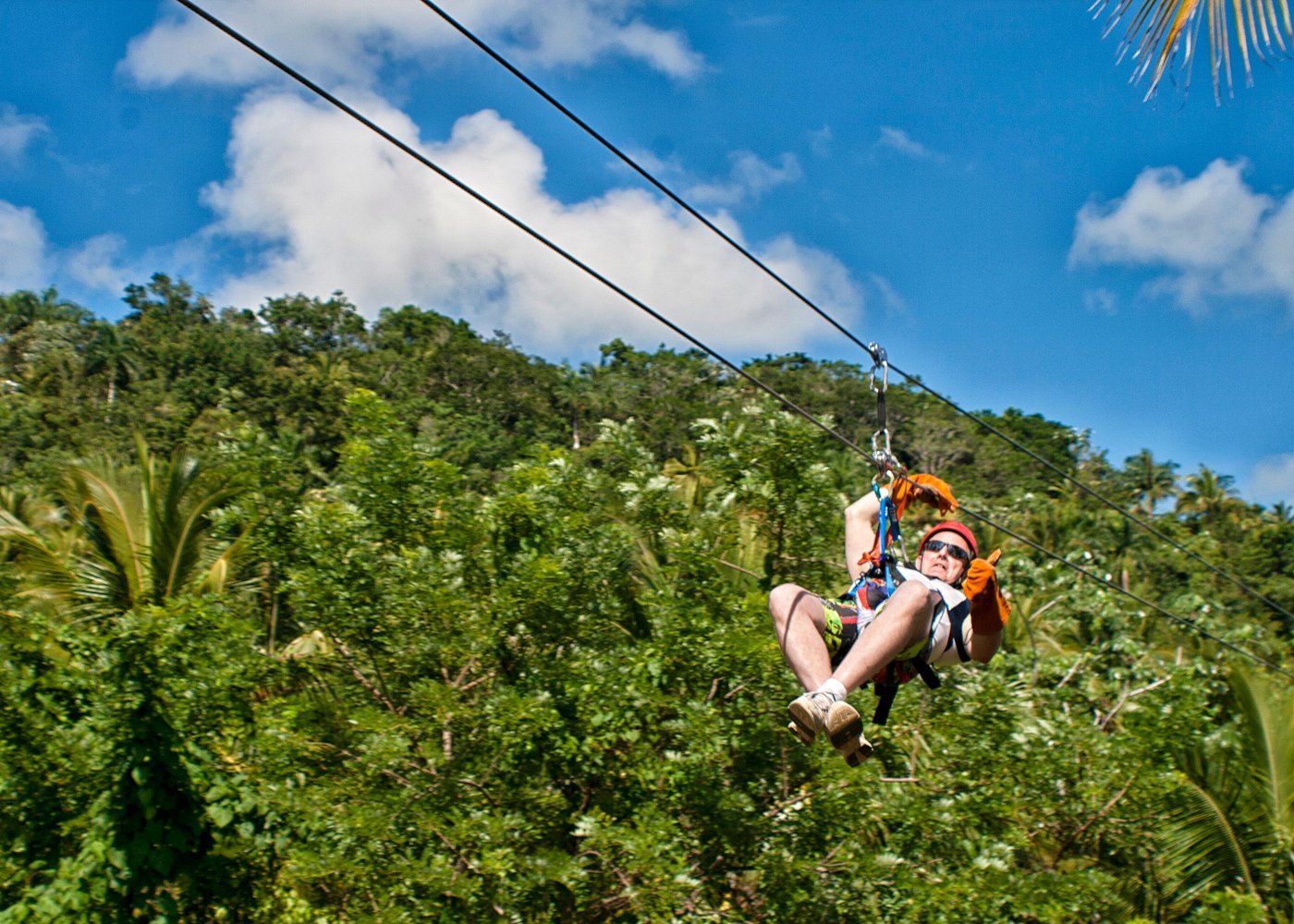
Elevated recreational activities use specially designed structures and equipment to allow people to move above the ground. Zip-line systems are one example of this type of attraction.
Although these experiences are sometimes presented as recreational entertainment, they involve important engineering and operational considerations.
A typical system depends on several interconnected components, including:
- Supporting structures and anchorages
- Steel cables and connection systems
- Participant safety equipment
- Inspection and maintenance procedures
- Trained supervision and emergency planning
The condition of these components and the quality of the operating procedures are important parts of overall safety.
It is also important to understand that safety procedures can reduce risks but cannot eliminate every possible hazard.
3. Why Safety Standards Matter
Adventure recreation facilities require careful management because their equipment and supporting structures are exposed to repeated use and environmental conditions.
Professional safety guidance emphasizes the importance of appropriate engineering, inspection, maintenance, staff training, and emergency preparedness.
Important areas of safety management include:
Equipment condition
Safety equipment must be maintained according to its intended design and applicable standards. Damaged or unsuitable equipment should not be used.
Engineering and structural inspection
Supporting structures and connections require appropriate professional assessment. Regular inspections help identify deterioration and potential structural problems.
Staff training
Personnel responsible for recreational facilities need appropriate training to understand their responsibilities and respond to unexpected situations.
Weather conditions
Wind, rain, humidity, and other environmental conditions can affect outdoor recreational facilities. Weather-related operating decisions require professional assessment.
Emergency preparedness
Facilities should have documented emergency procedures and appropriately trained personnel.
These principles are important when evaluating the general safety culture of any recreational attraction.
4. The Natural Beauty of Samaná
One of the strongest reasons to visit Samaná is its extraordinary natural environment.
The peninsula offers a combination of coastal scenery and tropical landscapes that makes it visually different from many other Caribbean destinations.
Samaná Bay
Samaná Bay is among the region's most recognizable natural landmarks. It is surrounded by green hills and coastal settlements, creating a distinctive landscape.
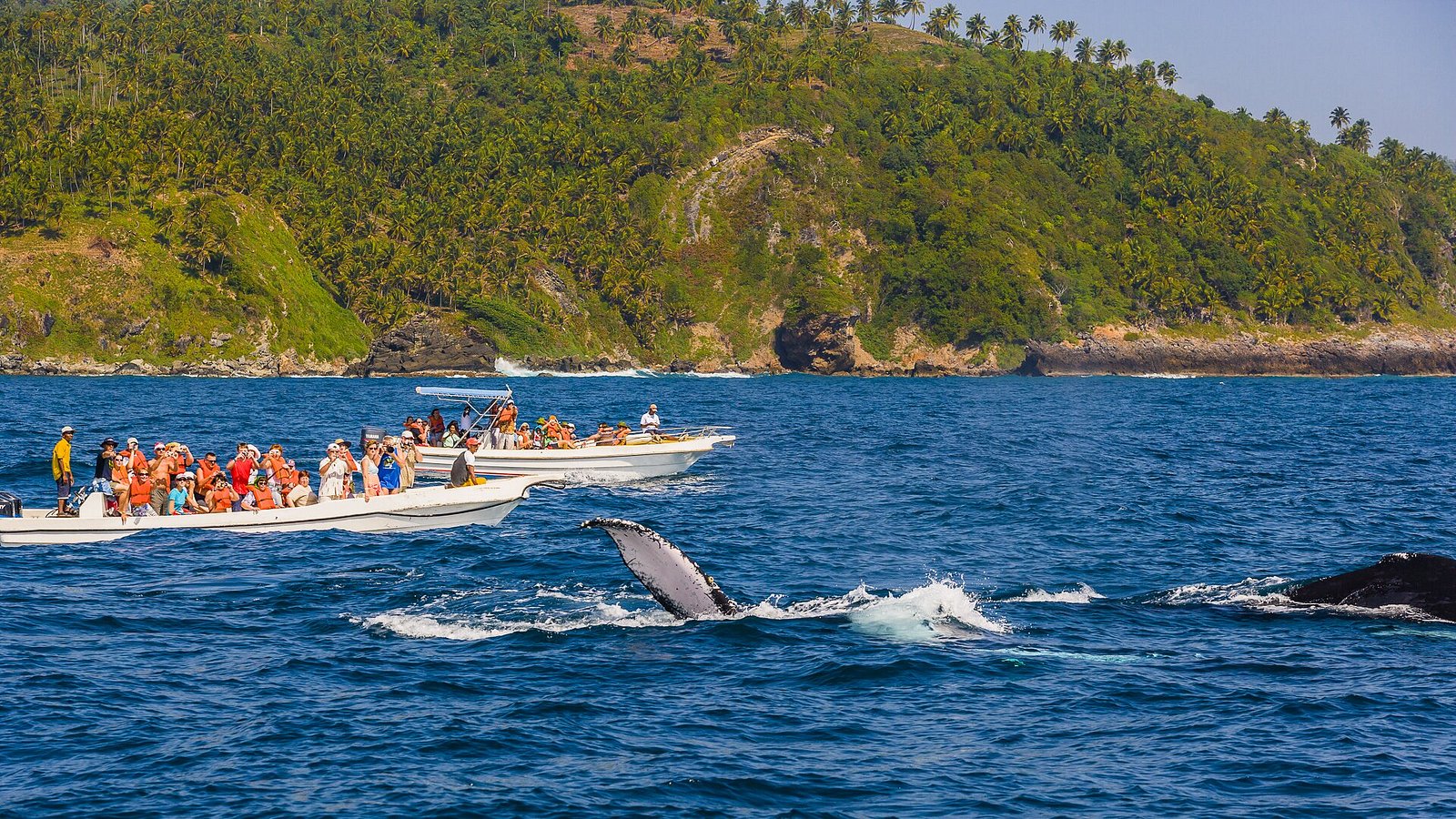
The bay is internationally known for the seasonal presence of humpback whales, which visit its waters during their annual migration.
Tropical Mountains
The interior of the peninsula features green hills and mountains covered in tropical vegetation.
These landscapes contribute to the region's biodiversity and create beautiful natural backgrounds for photography.
El Limón Waterfall
El Limón Waterfall is one of Samaná's best-known natural landmarks. Its impressive cascade is surrounded by lush tropical vegetation.
The waterfall represents the region's connection between freshwater environments, forests, and mountainous terrain.
Los Haitises National Park
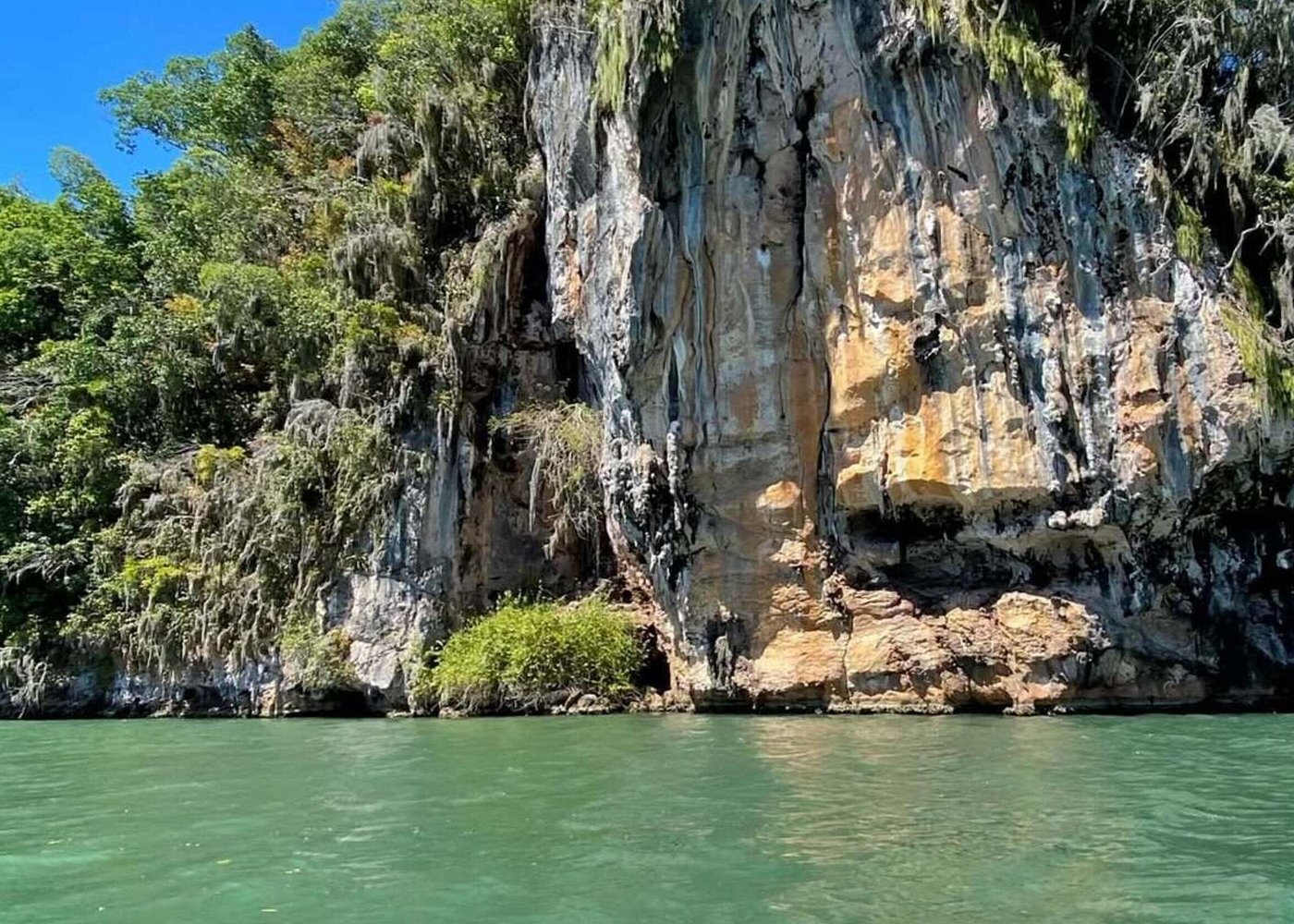
Los Haitises National Park is recognized for its limestone formations, mangrove ecosystems, caves, and wildlife.
Its unusual geological landscape makes it an important natural and educational attraction in the Dominican Republic.
5. Scenic and Cultural Alternatives in Samaná
Visitors who prefer a relaxed experience can explore several cultural and scenic attractions throughout the region.
Santa Bárbara de Samaná
The provincial capital is known for its waterfront atmosphere, local markets, and cultural history.
The town provides an opportunity to understand everyday life in Samaná and appreciate the relationship between the local community and the bay.
Samaná Malecón
The Malecón is a waterfront promenade with views of the bay and surrounding coastal landscape.
It is a pleasant place to appreciate the town's scenery and observe its connection with the sea.
Samaná Bridge
The bridges connecting small islands near the waterfront are among the area's recognizable landmarks.
Their distinctive appearance makes them an interesting subject for photography and a memorable part of the local landscape.
La Churcha
La Churcha, also known as St. Peter's Church, is an important historical building connected to the African American heritage of Samaná.
Its wooden architecture and historical background make it a valuable cultural attraction.
Pueblo Príncipe
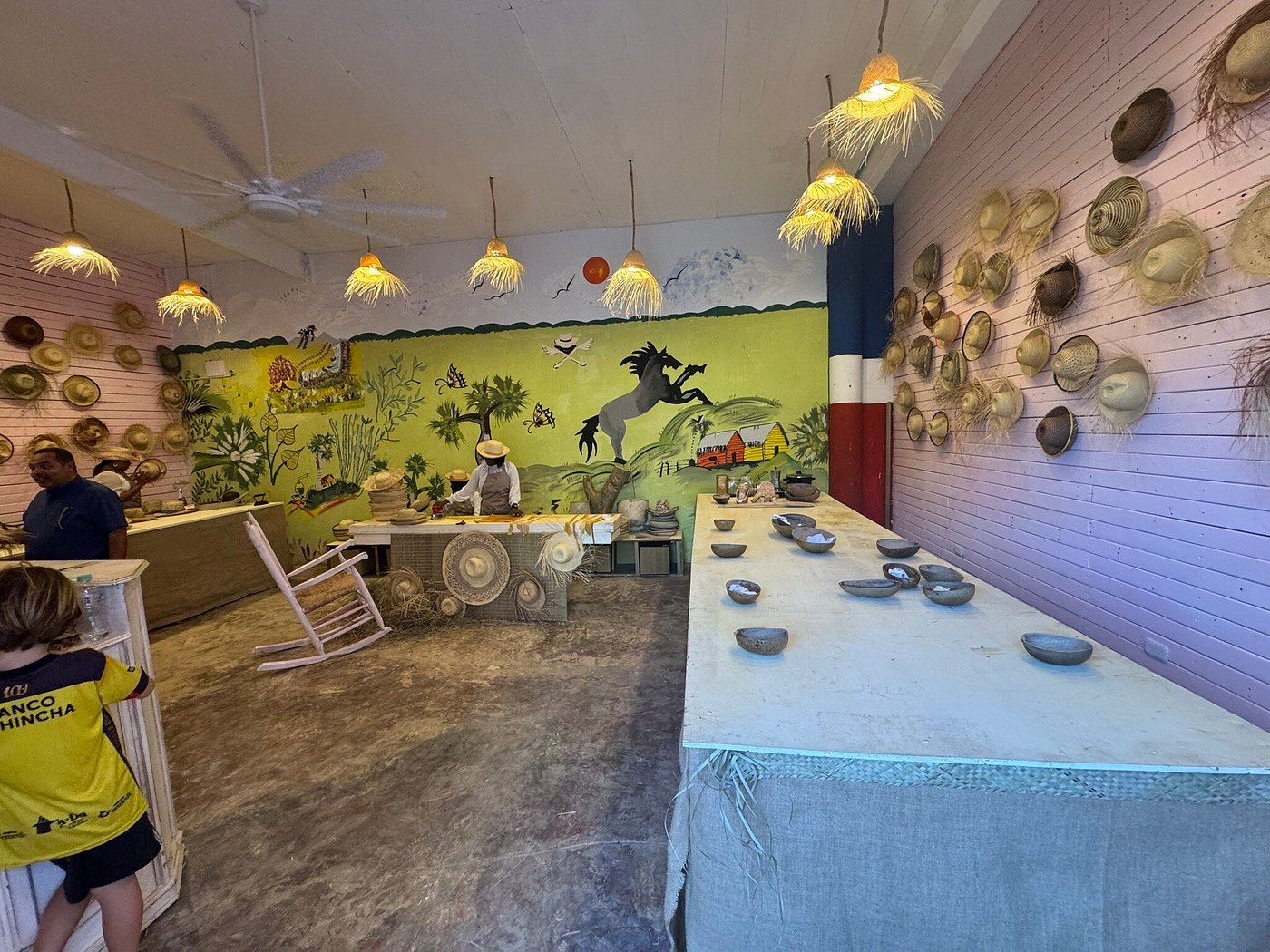
Pueblo Príncipe features colorful buildings and architectural details inspired by Caribbean and Victorian styles.
It contributes to the distinctive character of Santa Bárbara de Samaná.
6. Best Time to Appreciate Samaná's Natural Scenery
Samaná has a tropical climate, meaning warm temperatures and relatively humid conditions throughout the year.
The best time to visit depends on the type of scenery and natural experiences a visitor wants to appreciate.
The January-to-March period is particularly associated with the seasonal arrival of humpback whales in Samaná Bay.
Other months offer opportunities to appreciate the peninsula's beaches, green landscapes, coastal towns, and cultural attractions.
Weather conditions can vary, so visitors should consult reliable local forecasts when planning general sightseeing.
7. Photography Opportunities in Samaná
Samaná offers a wide range of photography subjects.
Some particularly interesting themes include:
- Tropical mountain landscapes
- Coastal scenery and natural beaches
- Traditional Caribbean architecture
- Waterfront views of Samaná Bay
- Local markets and everyday community life
- Tropical plants and natural vegetation
- Historical buildings and cultural landmarks
Early morning and late afternoon often provide attractive natural lighting for landscape photography.
Visitors should always respect local communities, private property, wildlife, and conservation rules when taking photographs.
8. Responsible Tourism and Environmental Protection
Samaná's natural beauty depends on healthy ecosystems and responsible tourism practices.
Visitors can contribute to environmental protection through simple choices:
- Avoid leaving rubbish in natural areas.
- Respect wildlife and maintain appropriate distances.
- Follow signs and conservation regulations.
- Avoid damaging vegetation or geological formations.
- Respect local traditions and cultural sites.
- Support responsible local businesses.
- Reduce unnecessary plastic waste.
Responsible tourism helps protect the landscapes and cultural heritage that make Samaná special.
9. Frequently Asked Questions
Is Samaná worth visiting in 2026?
Yes. Samaná offers tropical scenery, cultural attractions, beautiful coastal landscapes, and important natural environments. It is an appealing destination for visitors interested in nature and Dominican culture.
What is Samaná famous for?
Samaná is particularly famous for Samaná Bay, humpback whales, tropical mountains, El Limón Waterfall, coastal communities, and Los Haitises National Park.
What natural attractions can visitors learn about in Samaná?
Notable natural features include Samaná Bay, El Limón Waterfall, the tropical mountain landscape, and the limestone and mangrove environments of Los Haitises National Park.
Are there cultural attractions in Samaná?
Yes. Santa Bárbara de Samaná features historical buildings, waterfront areas, local markets, and landmarks such as La Churcha and Pueblo Príncipe.
What should visitors understand about elevated recreational activities?
These activities involve equipment and structures that require professional engineering, inspection, maintenance, trained supervision, and emergency planning. Risks cannot be completely eliminated.
When is the best season to see humpback whales in Samaná?
The main seasonal period is generally January through March, when humpback whales visit Samaná Bay.
Is Samaná suitable for relaxed sightseeing?
Yes. Its waterfront areas, cultural landmarks, natural scenery, and coastal towns provide several ways to appreciate the region without participating in adventure activities.
10. Final Thoughts
Samaná is much more than an adventure destination. Its natural diversity, tropical landscapes, cultural heritage, and coastal communities make it one of the most distinctive regions of the Dominican Republic.
While elevated recreational attractions require careful attention to professional safety standards, visitors can appreciate the peninsula through its scenery, history, architecture, and natural environments.
For a memorable 2026 visit, consider discovering Samaná at a relaxed pace and appreciating the landscapes and local culture that make this Caribbean destination special.

Local explorer & expert guide in Whale Miches.