Soil Erosion in Los Haitises National Park: Rainfall, Limestone Slopes and Forest Protection
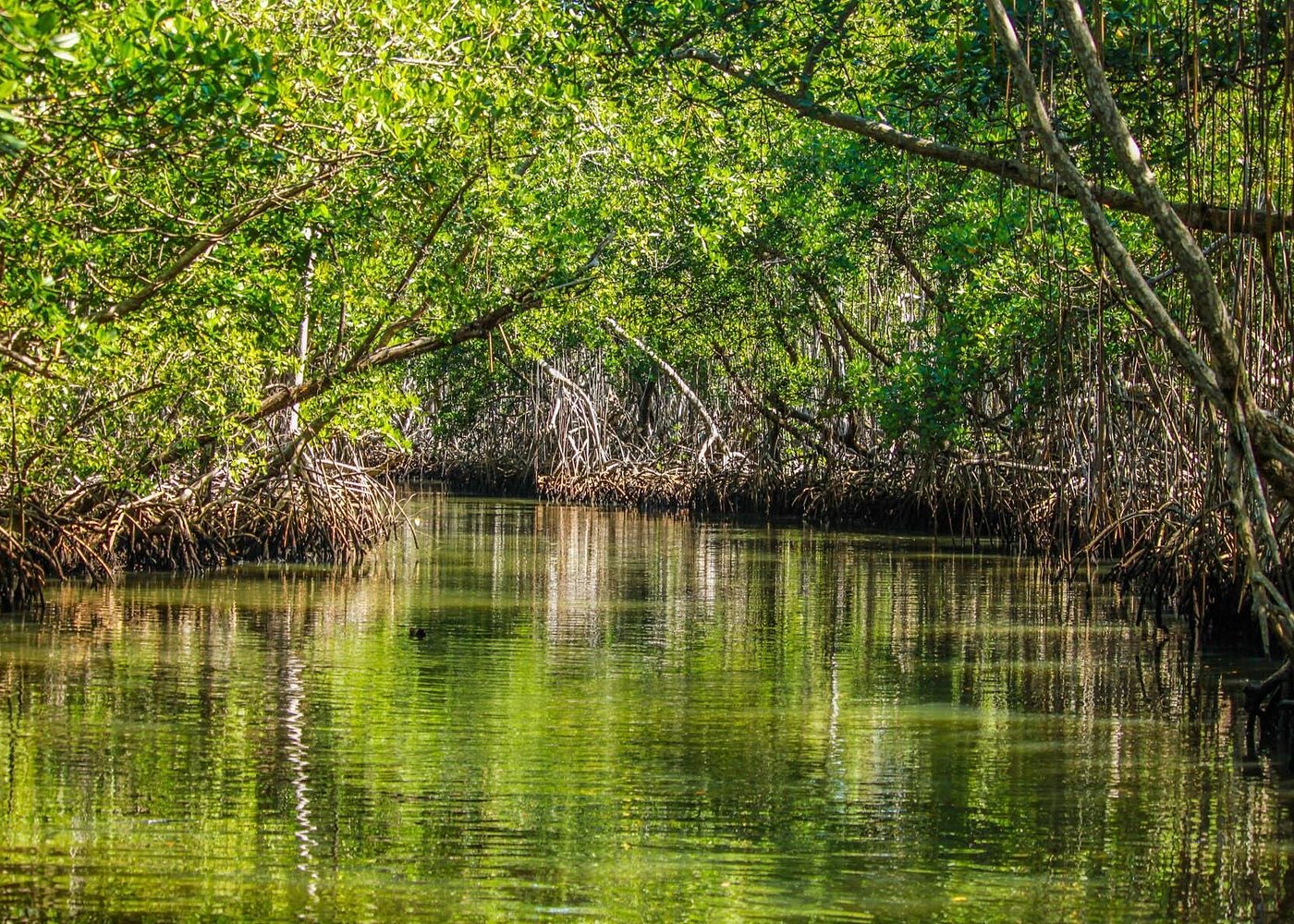
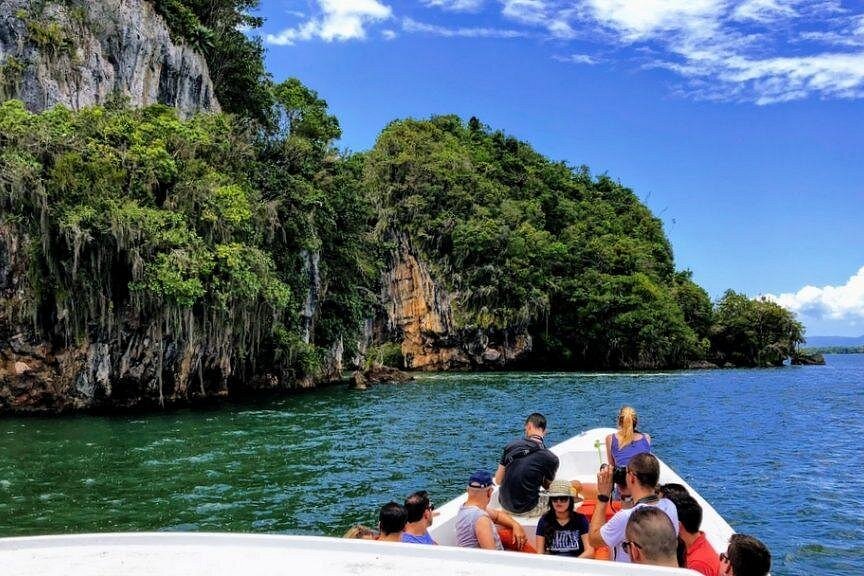
Los Haitises National Park is known for its dramatic limestone hills, tropical forests, mangroves, wetlands and natural caves. These landscapes are shaped by water over long periods, but water can also create challenges for the soil that supports the park's vegetation.
Soil erosion occurs when soil particles are detached and transported by water, wind or gravity. In a tropical landscape with substantial rainfall and uneven terrain, the movement of soil can be an important environmental process.
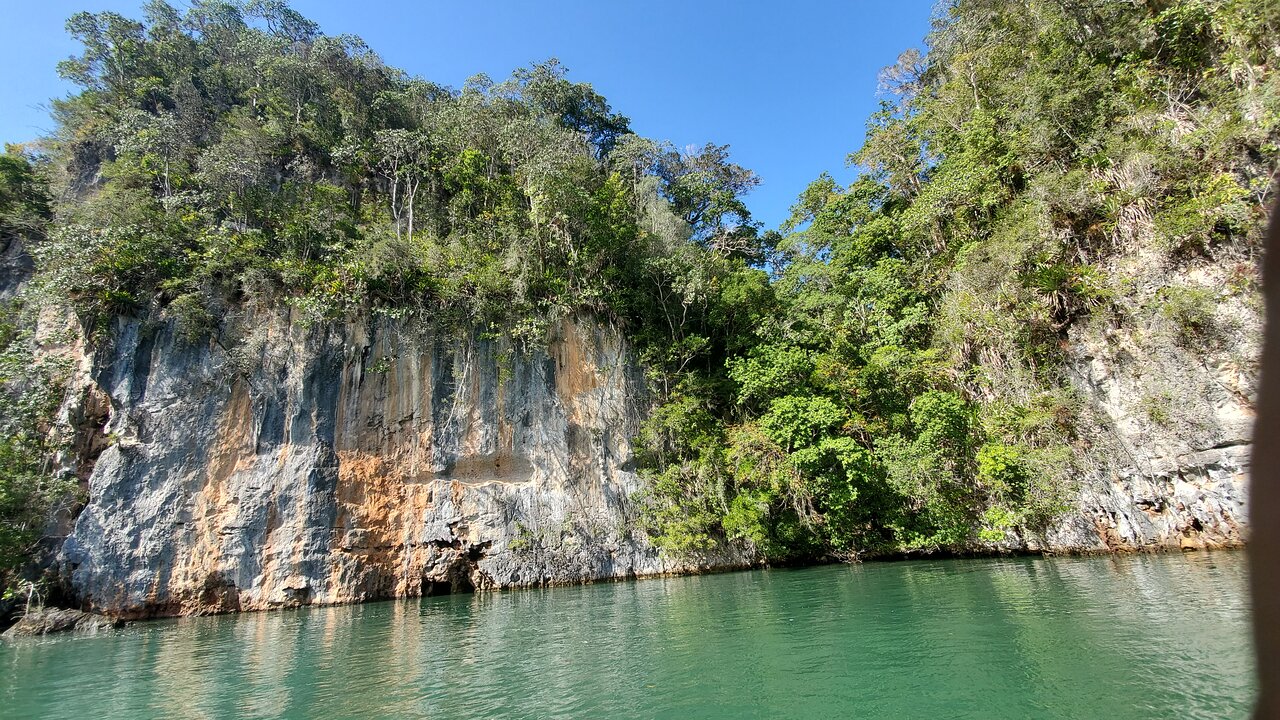
The karst landscape of Los Haitises makes this subject particularly interesting. Its limestone hills, known as mogotes, rise above valleys and depressions. Rainwater can flow across exposed surfaces, enter cracks in the limestone or move through the soil. The amount of soil movement depends on local slope conditions, vegetation cover, rainfall and the characteristics of the ground.
Natural erosion is part of landscape development. However, removing vegetation, disturbing the ground or changing drainage patterns can increase the vulnerability of some areas.
Understanding how soil erosion works helps explain why forest protection is important. The vegetation above the ground and the soil beneath it are connected parts of the same ecosystem.
1. What Is Soil Erosion?
Soil erosion is the process through which soil particles are detached from the ground and transported to another location.
Water is one of the most important agents of erosion in many tropical environments. Rainfall can loosen particles, while surface runoff can carry them downslope or into drainage channels.
Erosion can occur naturally, even in forests with relatively undisturbed vegetation. The important distinction is between natural soil movement and soil loss accelerated by human disturbance.
Common forms of water-related soil erosion include:
- Splash erosion: Raindrops strike exposed soil and dislodge particles.
- Sheet erosion: A relatively thin layer of soil is removed across a surface by flowing water.
- Rill erosion: Small channels form when runoff concentrates.
- Gully erosion: Larger channels develop when concentrated runoff removes soil over time.
- Bank erosion: Flowing water removes material from the edges of streams and drainage channels.
These processes do not occur equally everywhere. Their importance depends on the ground surface, slope, rainfall intensity, vegetation and drainage.
2. Why Los Haitises Has an Interesting Erosion Environment
Los Haitises is a karst landscape formed largely on limestone. Its characteristic topography includes mogotes, sinkholes, caves, cliffs and narrow valleys.
This terrain creates a variety of conditions for water movement and soil stability.
Limestone hills and slopes
Mogotes have sloping surfaces where gravity can influence the movement of loose soil and weathered material.
The steepness of a slope is one factor affecting erosion, but it is not the only one. Vegetation cover, soil depth, surface roughness and rainfall also influence how easily particles are detached and transported.
Valleys between the hills
Lower areas can receive water and material moving from surrounding slopes.
Some soil particles may settle in these locations, while others can be carried farther by runoff. The amount of accumulation or removal depends on the local drainage system.
Limestone cracks and underground drainage
Karst landscapes contain fractures, openings and underground drainage pathways.
Rainwater can enter the ground rather than remaining entirely on the surface. This means that the movement of water in Los Haitises cannot be understood through surface runoff alone.
Some rainfall infiltrates through soil and rock openings and becomes part of the underground water system.
Different conditions across short distances
A forested slope, an exposed limestone surface and a low-lying depression may respond differently to the same rainfall event.
For this reason, erosion should be understood as a location-specific process rather than a uniform condition throughout the national park.
3. How Heavy Rainfall Can Contribute to Soil Erosion
Rainfall is an important factor in water-driven soil erosion.
When raindrops strike exposed soil, they can break apart soil aggregates and dislodge individual particles. If water cannot infiltrate quickly enough, some of it may flow across the surface.
This moving water can transport loose material.
Raindrop impact
The impact of rainfall can disturb the soil surface, especially where vegetation and leaf litter provide little protection.
Raindrops can splash soil particles away from their original positions. Repeated rainfall can gradually change the surface of exposed ground.
Surface runoff
Runoff develops when water moves across the land instead of entering the ground at that location.
The amount of runoff depends on rainfall, soil characteristics, slope, vegetation and infiltration conditions.
On a slope, flowing water may carry detached particles downhill.
Concentrated water flow
When surface water follows the same route repeatedly, small channels can develop.
If the flow becomes sufficiently concentrated, these channels may become deeper and wider. This is one way rills and gullies can form.
Rainfall and local differences
A rainfall event does not produce the same erosion response everywhere.
A forest floor covered by leaf litter may be protected from direct raindrop impact, while exposed or disturbed ground may be more vulnerable.
The physical condition of the soil also matters. Compacted ground, for example, may allow less water to infiltrate under some conditions, potentially increasing surface runoff.
4. How Forest Vegetation Helps Protect Soil
Forest vegetation is one of the natural protections against soil erosion.
Trees, shrubs, smaller plants and ground vegetation interact with the soil through their roots, leaves and branches.
Tree canopy
The canopy intercepts some rainfall before it reaches the ground.
Water that passes through the canopy may arrive at the forest floor differently from rainfall striking an open surface. The canopy can therefore influence the amount and distribution of water reaching the soil.
Leaf litter
Fallen leaves, twigs and other plant material cover parts of the forest floor.
This litter layer can reduce direct exposure of soil to raindrop impact. It can also slow the movement of water across the surface and contribute organic matter.
Roots
Plant roots extend through the soil and help bind soil particles together.
Root systems can contribute to slope stability by reinforcing the ground. Their effects vary according to plant species, root depth, root density and local soil conditions.
Ground vegetation
Small plants and other vegetation close to the ground provide additional surface cover.
Their leaves and roots can help protect soil from direct rainfall and reduce the amount of exposed ground.
Together, these layers of vegetation help maintain the physical conditions of the forest floor.
5. What Happens When Vegetation Is Removed?
Removing vegetation changes the relationship between rainfall, soil and the ground surface.
A forest that once had canopy cover, roots and leaf litter may become more exposed after clearing.
The effects depend on the extent of vegetation removal, the type of land use that follows and the physical characteristics of the location.
More exposed soil
When vegetation and leaf litter are removed, raindrops can strike the soil more directly.
This may increase the detachment of soil particles.
Reduced root reinforcement
Removing plants also removes living root systems.
As roots decay, the reinforcement they provided may gradually decrease. The resulting effects depend on the original vegetation and the replacement land cover.
Changes in runoff
Vegetation influences interception, infiltration and the movement of water across the ground.
Clearing and ground disturbance can alter these processes. Depending on local conditions, runoff may become more concentrated or follow different routes.
Greater disturbance from land use
Agricultural activity, repeated ground traffic and other forms of disturbance can affect soil structure and surface protection.
These changes do not mean that every cleared area will experience severe erosion. They indicate that vegetation removal can increase the vulnerability of some sites, particularly where steep slopes and exposed soil are present.
6. Soil Erosion on Limestone Hills and Mogotes
The limestone mogotes are among the most distinctive features of Los Haitises.
Their steep and irregular surfaces create different conditions for soil movement.
Soil pockets and exposed rock
Soil does not necessarily form a continuous layer across a limestone hill.
It can occur in pockets, cracks and other spaces between exposed rock surfaces. Where soil is shallow or discontinuous, even relatively small amounts of material may be ecologically important for plant growth.
Movement downslope
Rainwater and gravity can move loose particles down a slope.
Some material may become trapped by vegetation or accumulate in lower positions. Other particles may be transported farther by runoff.
Roots and rock fractures
Plant roots can grow through soil pockets and existing openings in limestone.
These roots help anchor vegetation and can contribute to the stability of the soil around them.
Why protection matters
When vegetation on a limestone slope is disturbed, the remaining soil and plant communities may become more vulnerable.
Because soil conditions vary across the mogotes, management decisions should consider the particular location rather than assume every slope has the same erosion risk.
7. Soil Erosion and Karst Drainage
Karst landscapes have an unusual relationship with water.
Unlike landscapes where most rainfall moves through visible streams, karst terrain can allow substantial water movement through fractures, cavities and underground pathways.
Los Haitises is known for its limestone formations and underground drainage features.
Infiltration through limestone
Rainwater can enter the ground through soil, cracks and openings in the limestone.
This movement contributes to groundwater recharge and the development of underground drainage systems.
Surface water still matters
Not all rainfall immediately enters underground pathways.
Water can also move across the ground, collect in depressions and flow through surface drainage channels.
The balance between infiltration and runoff varies according to local geology, soil and rainfall conditions.
Sediment movement
Soil particles transported by runoff may be deposited in lower areas or drainage channels.
Where sediment reaches wetlands or waterways, it can influence the amount of suspended material in the water and contribute to changes in local habitat conditions.
However, the presence of sediment in a waterway does not by itself prove that a particular slope or part of the park is undergoing accelerated erosion.
Why karst environments require care
Water entering cracks and underground drainage pathways can connect different parts of a karst system.
This makes it important to prevent unnecessary disturbance and pollution. Soil conservation and water protection are closely related in the Los Haitises landscape.
8. How Land-Use History Can Influence Erosion Risk
The history of land use in the Los Haitises region is important when considering soil conservation.
Research has documented agricultural sites, regenerating forests and areas of relatively undisturbed forest within and around the national park.
Some historical land uses included pasture, shifting cultivation and plantations on the region's more accessible terrain.
The effects of these activities can remain visible in vegetation and soil conditions after cultivation ends.
Agricultural clearing
Clearing land for agriculture can remove forest cover and change the amount of organic material entering the soil.
If the ground remains exposed or is repeatedly disturbed, it may become more vulnerable to erosion.
Pasture use
Pasture management can influence the vegetation structure and the distribution of plant cover.
The condition of the ground depends on factors such as grazing intensity, soil disturbance and the type of vegetation present.
Abandoned agricultural land
When agricultural use ends, vegetation may gradually return.
However, the recovery of forest cover and the recovery of soil properties are not necessarily identical processes.
A regenerating site may develop more plant cover and organic inputs while some physical or biological soil characteristics remain different from those of long-established forest.
What research in Los Haitises shows
Templer and colleagues' 2005 study compared soil properties and nutrient processes in undisturbed forest, regenerating forest and active agricultural sites within and directly adjacent to Los Haitises National Park.
The researchers found greater soil organic matter and moisture in regenerating forest sites than in active agricultural sites. They also measured higher bulk density in active agricultural sites.
These findings show that land-use history can influence soil conditions. The study did not provide a park-wide measurement of erosion rates, so it should not be used to claim a specific amount of soil loss across Los Haitises.
9. The Difference Between Soil Erosion and Limestone Weathering
Soil erosion and limestone weathering are related to the wider development of the landscape, but they are not the same process.
Understanding the difference is important when describing the natural environment of Los Haitises.
Soil erosion
Soil erosion involves the removal and transportation of soil particles.
Water, wind and gravity can contribute to this process.
Limestone weathering
Weathering is the breakdown or alteration of rock at or near the Earth's surface.
In limestone landscapes, chemical weathering can occur when water dissolves parts of the rock over time.
This process contributes to the development of karst features such as cracks, cavities and caves.
How they interact
Weathered rock material can contribute to soil formation. At the same time, soil erosion can remove material that has accumulated above or between limestone surfaces.
Both processes help shape the landscape, but they operate in different ways and over different timescales.
The limestone hills of Los Haitises are therefore not simply the result of soil erosion. Their formation is strongly connected to the geological history of the region and the long-term dissolution of carbonate rock.
10. Possible Environmental Effects of Excessive Soil Erosion
When soil erosion becomes faster than natural soil formation and replenishment, it can affect several parts of an ecosystem.
The severity of these effects depends on the amount of soil removed, the location and the surrounding environmental conditions.
Loss of plant-growing material
Soil provides a medium for roots and supplies water and nutrients.
Removing soil can reduce the material available for plant establishment, particularly in areas where the soil layer is already shallow.
Damage to vegetation
Erosion around roots may expose them or reduce the soil available for anchorage and growth.
Seedlings and smaller plants can be particularly vulnerable when the ground around them is disturbed.
Sediment entering waterways
Transported soil can reach streams, wetlands and other water bodies.
Increased sediment may reduce water clarity or accumulate in particular locations.
The effects on aquatic habitats depend on sediment quantity, particle size, water movement and the characteristics of the receiving environment.
Changes to local drainage
Sediment accumulation can alter small drainage features in some settings.
Likewise, ground disturbance can create new runoff pathways that differ from the natural movement of water.
Slower vegetation recovery
Where erosion removes soil and organic material, conditions for plant establishment may become less favorable.
This can make the recovery of disturbed sites more difficult, especially where seed sources are limited.
11. How Soil Erosion Can Be Reduced
Soil conservation in Los Haitises should prioritize preventing unnecessary disturbance and maintaining natural vegetation.
Appropriate measures depend on the habitat, slope, drainage and management objectives.
Protect existing forest cover
Keeping native vegetation intact helps maintain canopy cover, roots and leaf litter.
Forest protection is one of the most important ways to maintain natural soil conditions.
Avoid unnecessary clearing
Removing vegetation can expose the ground and alter the way rainfall interacts with soil.
Preventing unauthorized clearing helps reduce this risk.
Protect vulnerable slopes
Steep or fragile areas should be managed carefully.
Activities that remove vegetation or disturb the ground can increase erosion vulnerability, especially where soil is shallow.
Maintain natural drainage
Drainage pathways should not be blocked or redirected without proper environmental assessment.
This is particularly important in karst terrain, where surface and underground water systems are connected.
Support appropriate restoration
Where land has been disturbed, restoration may involve allowing natural vegetation to recover or using carefully planned native-plant restoration where necessary.
The most appropriate approach depends on the condition of the site and whether nearby vegetation can provide natural sources of seeds.
Monitor disturbed locations
Long-term monitoring can help identify changes in vegetation, soil surface conditions and drainage.
It can also help managers determine whether restoration efforts are improving the condition of a particular area.
12. How Visitors Can Help Prevent Soil Disturbance
Visitors are part of the park's conservation story. Responsible behavior can help prevent unnecessary damage to vegetation and soil.
Simple actions include:
Stay on authorized routes. Avoid walking through vegetation or across fragile slopes outside permitted visitor areas.
Do not create informal trails. Repeated foot traffic can damage ground cover and compact soil.
Avoid removing plants or natural materials. Vegetation and leaf litter help protect the forest floor.
Do not disturb restoration sites. Areas undergoing ecological recovery may need protection from additional foot traffic.
Follow guide instructions. Local guides can help visitors understand which routes and locations are appropriate for exploration.
Keep the park free of rubbish. Waste can harm wildlife and affect the natural environment.
These actions are simple, but they help reduce the pressure that visitors place on sensitive habitats.
13. Why More Soil-Erosion Research Is Valuable
Although research has examined soil properties and land-use history in the Los Haitises region, the available studies do not establish a complete, current erosion-risk map for the entire national park.
Further research could help answer important questions:
- Which slopes and landscape positions are most vulnerable to soil loss?
- How does soil movement differ between forested and disturbed sites?
- How do rainfall intensity and seasonal conditions influence runoff?
- Where does transported sediment accumulate?
- How do soil depth and limestone fractures influence local erosion?
- How quickly do disturbed soils recover after vegetation returns?
- Which restoration methods are most suitable for different karst habitats?
Field measurements, long-term monitoring and carefully interpreted satellite imagery could help improve understanding.
Such research would be useful for park management, habitat restoration and the protection of water systems.
Conclusion: Forest Protection Is Also Soil Protection
Soil erosion is a natural process, but its effects can become more serious when vegetation is removed or the ground is repeatedly disturbed.
In Los Haitises National Park, limestone mogotes, narrow valleys, karst drainage and tropical rainfall create a varied environment in which soil movement differs from one location to another.
Forest vegetation helps protect the ground through canopy cover, leaf litter and root systems. These natural features reduce direct exposure of soil and contribute to the stability of the landscape.
Research in the Los Haitises region also demonstrates that land-use history can influence soil properties. Protecting forest cover and preventing unnecessary disturbance are therefore important parts of conservation.
The park's limestone hills and forests are remarkable above ground, but their long-term ecological health also depends on the soil beneath them.
Protecting the forest means protecting the ground that supports it.
Frequently Asked Questions
1. Does soil erosion occur in Los Haitises National Park?
Soil movement is a natural process in landscapes such as Los Haitises. Rainfall, runoff and gravity can move soil particles, although the extent and location of erosion vary. The available research cited here does not establish a current park-wide erosion rate.
2. What causes soil erosion in Los Haitises?
Potential causes include rainfall impact, surface runoff, gravity on slopes and disturbance of vegetation or soil. The relative importance of these factors depends on local conditions.
3. Does limestone cause soil erosion?
Limestone itself does not cause soil erosion. However, karst topography influences how water moves through the landscape and where soil accumulates. Limestone weathering and soil erosion are different processes.
4. How do trees help prevent soil erosion?
Tree roots help bind soil, while canopy cover and leaf litter reduce direct exposure of the ground to rainfall. Together, these features can help reduce soil detachment and movement.
5. Can heavy rainfall remove soil from limestone slopes?
Yes. Rainfall and runoff can move loose soil downslope where conditions allow. The amount of movement depends on slope, vegetation, soil properties and water flow.
6. Does deforestation increase erosion risk?
Removing vegetation can expose soil, reduce root reinforcement and alter runoff. These changes can increase erosion vulnerability, although the actual outcome depends on local conditions and subsequent land use.
7. What happens when eroded soil enters wetlands?
Sediment can accumulate in wetlands or remain suspended in water. Depending on the amount and location, it can influence water clarity and habitat conditions.
8. Is soil erosion the same as limestone weathering?
No. Soil erosion is the removal and transport of soil particles. Limestone weathering is the breakdown or chemical alteration of rock. Both contribute to landscape development but are different processes.
9. How can visitors help protect soil in Los Haitises?
Visitors should stay on authorized routes, avoid trampling vegetation, respect restoration areas, refrain from removing natural materials and follow park regulations.
10. Is there an official soil-erosion map for the entire park?
The studies discussed in this article do not establish a current comprehensive erosion-risk map for all of Los Haitises National Park. Specific risk assessments should be based on updated field surveys and authoritative park-management information.
Local explorer & expert guide in Whale Miches.