Saona Island Boat Access: Boarding, Transfers & Travel Tips
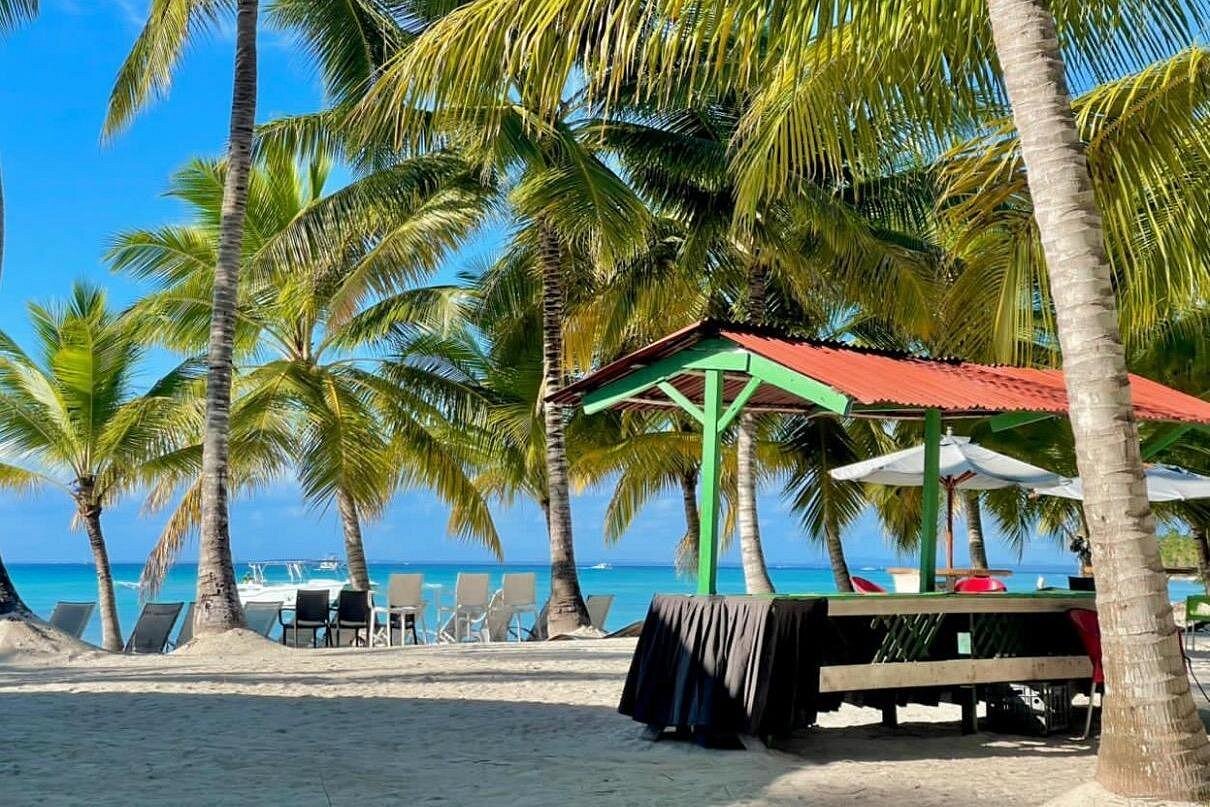
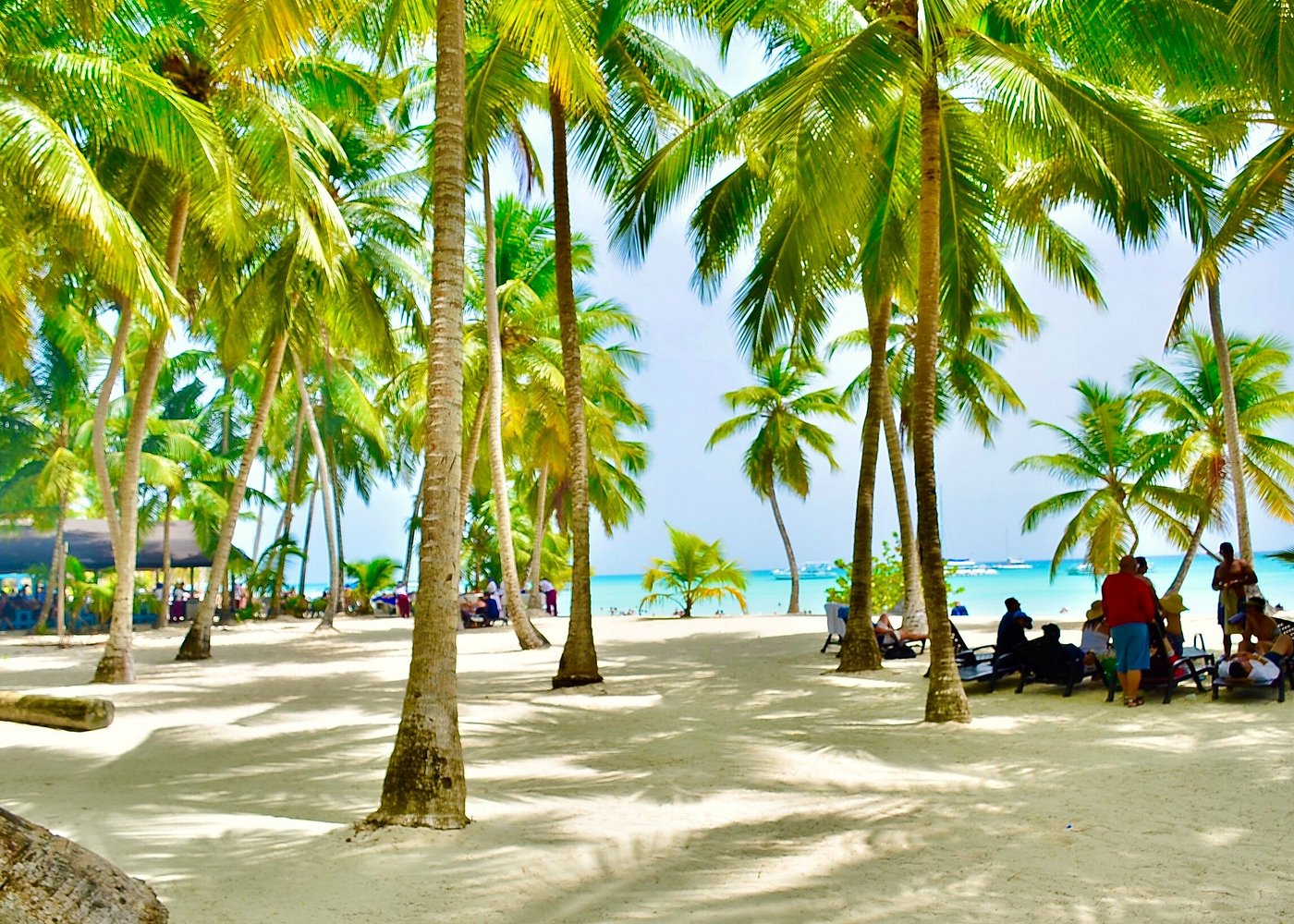
Saona Island is one of the most recognizable tropical destinations in the Dominican Republic. Its white-sand beaches, turquoise water, and beautiful Caribbean scenery attract visitors looking for a memorable island excursion.
However, reaching the island requires more than simply choosing a destination. Visitors also need to understand the boat journey, boarding arrangements, possible transfers, and the process of getting on and off the vessel.
These details are particularly important for families, older travelers, and people who may need additional assistance when moving between boats and beaches.
This guide explains what to consider when planning boat access to Saona Island, how to prepare for boarding, and which questions to ask before booking an excursion.
1. How Do Visitors Reach Saona Island?
Saona Island is located off the southeastern coast of the Dominican Republic. Visitors generally reach it by boat from mainland departure points.
The exact journey depends on the tour operator and the selected excursion.
Common transportation arrangements may include:
- Speedboat transfers.
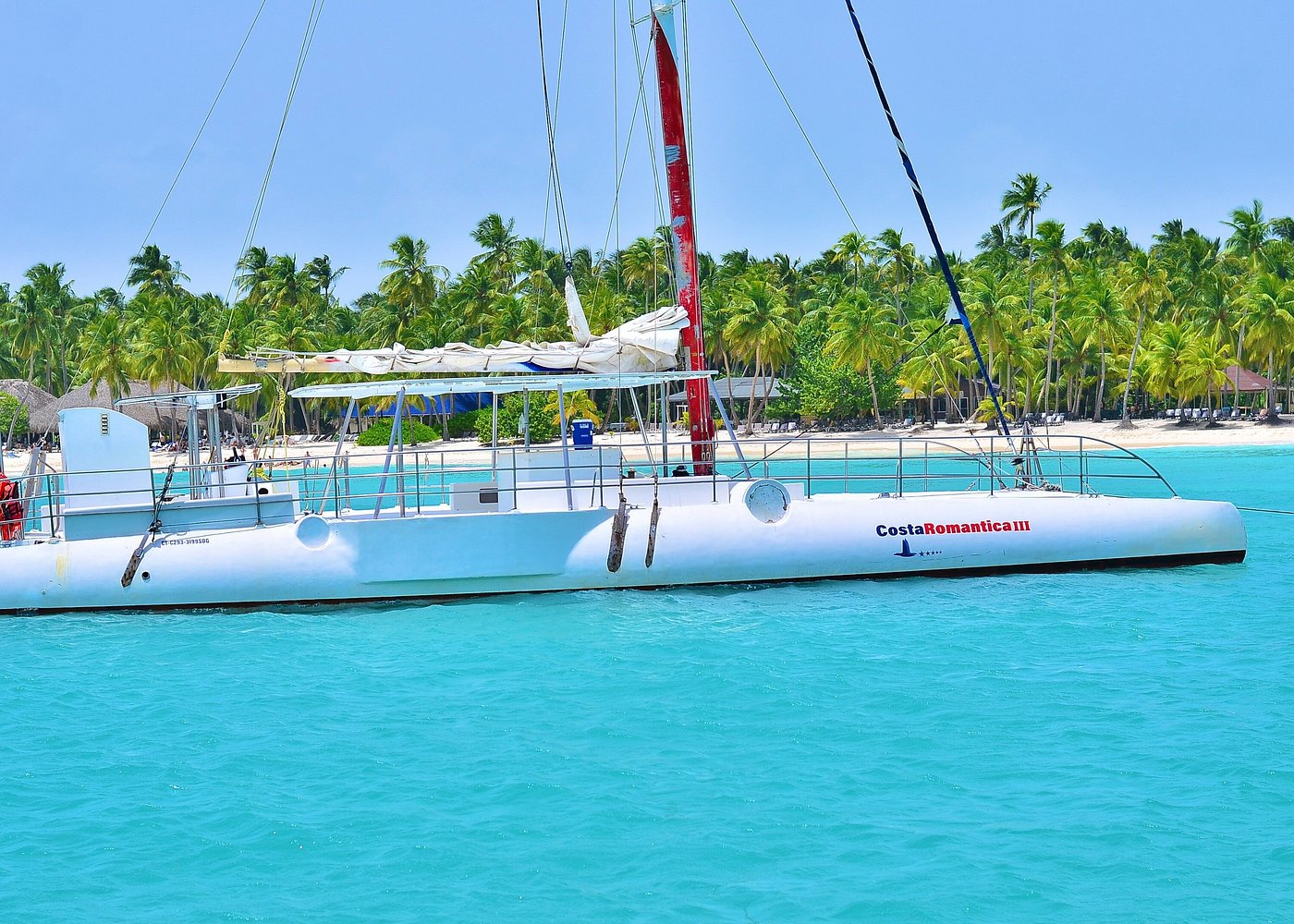
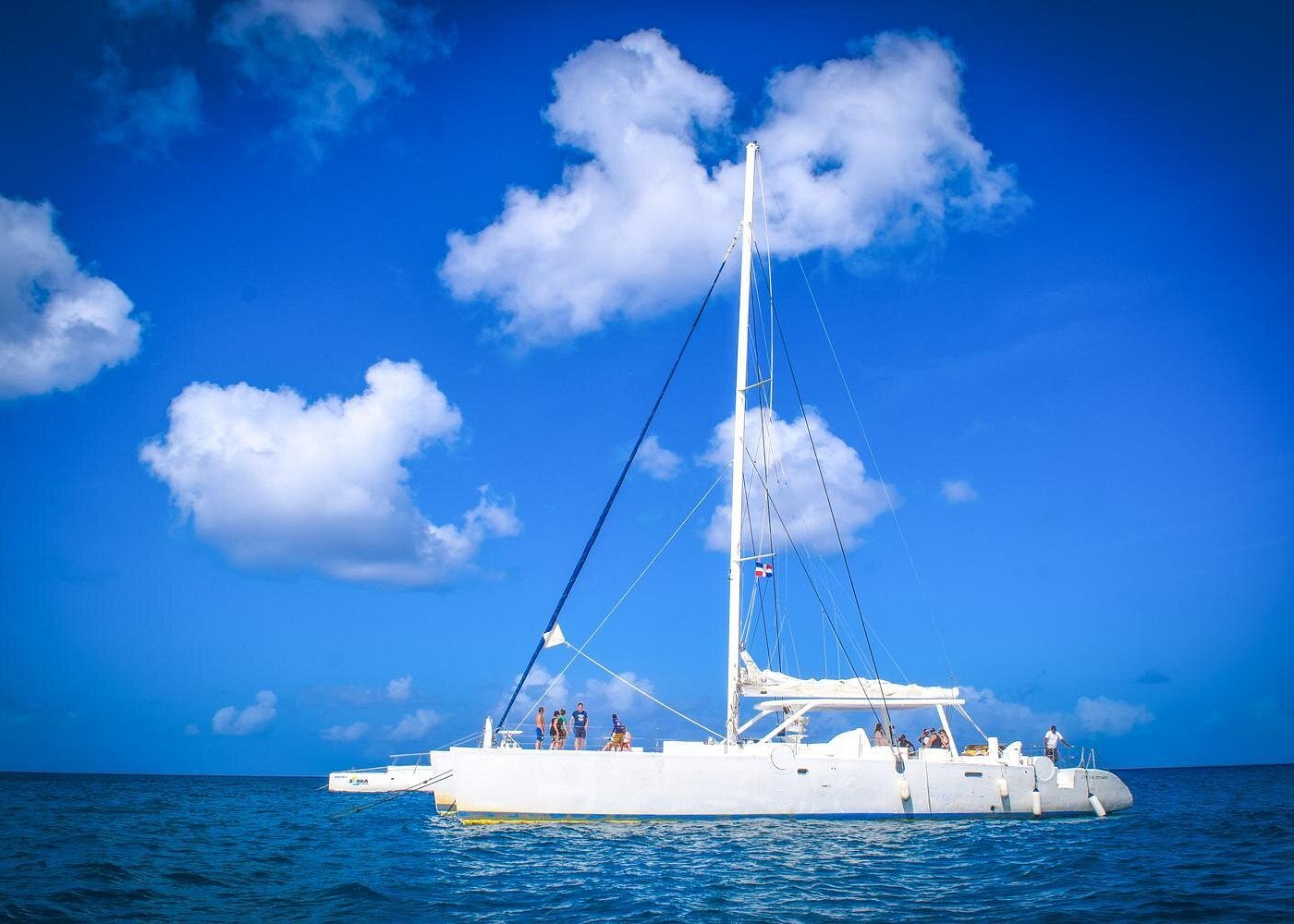
- Catamaran excursions.
- Combined speedboat and catamaran trips.
- Private boat arrangements, where available.
Each option may involve different boarding procedures, journey conditions, passenger arrangements, and travel times.
Before booking, ask the operator which type of vessel will be used and whether the itinerary includes transfers between boats.
2. Understanding the Boat Boarding Process
Boarding is one of the first practical parts of a Saona Island excursion.
The process may vary depending on the departure location, boat design, dock facilities, and water conditions.
A typical boarding process may involve:
- Arriving at the designated meeting point.
- Checking in with the tour representative.
- Receiving instructions from the crew.
- Waiting for the boarding signal.
- Entering the boat using the designated access point.
- Finding the assigned seating area.
Passengers should never rush while boarding.
Listen to crew instructions and use handrails or assistance where provided. If you need help stepping onto the vessel, tell the staff before boarding begins.
3. Are Boat Transfers Required?
Some excursions use one boat for the journey, while others may combine different vessels.
For example, an itinerary may use a speedboat for one section and a catamaran for another.
A transfer may require passengers to:
- Leave one vessel.
- Wait for crew instructions.
- Move to another boat.
- Find a new seat.
- Follow the crew's safety briefing.
Not every Saona Island excursion involves a boat transfer. Confirm the complete transportation arrangement before booking.
Travelers who have difficulty stepping between vessels should specifically ask whether transfers are required and what assistance is available.
4. Speedboat Boarding: What to Expect
Speedboats are commonly associated with excursions that prioritize a quicker journey.
Depending on the boat and departure facilities, passengers may need to step aboard from a dock or another designated boarding area.
Before selecting this option, consider:
- The height of the boarding step.
- The number and position of handholds.
- Seating arrangements.
- The boat's movement in changing water conditions.
- Whether the crew can provide boarding assistance.
- Whether the journey is suitable for your mobility needs.
A speedboat may be a practical choice for some visitors, but comfort and suitability depend on the specific vessel and individual requirements.
5. Catamaran Boarding: What to Consider
Catamarans offer a different type of boat experience.
Their design and boarding arrangements can differ from those of speedboats. However, the actual ease of boarding depends on the vessel, dock, access point, and sea conditions.
Before choosing a catamaran excursion, ask:
- Where do passengers board?
- Are there steps or ramps?
- Is there a handrail?
- How many passengers will travel?
- Are seating areas easily accessible?
- Is there a transfer to another vessel?
Do not assume that every catamaran has the same accessibility features.
6. Getting Off the Boat at Saona Island
Arriving at Saona Island is another stage that requires attention.
Depending on the excursion and landing location, passengers may disembark at a dock, beach access point, or another designated area.
The conditions may vary.
Some visitors may need to step down from the boat, walk across a short landing area, or move through sand before reaching the main visitor area.
Consider bringing:
- Comfortable footwear.
- A small waterproof bag.
- A towel.
- Sun protection.
- Only essential personal belongings.
Follow the crew's instructions and avoid jumping from the boat into the water unless the operator specifically identifies a permitted and safe activity.
7. Beach Access and Walking Conditions
Once visitors arrive, the beach environment may present different challenges from a normal paved walkway.
Sand can be soft, uneven, or difficult to walk across, particularly for people using mobility aids or those with limited balance.
Before booking, ask the provider about:
- The type of landing area.
- The distance between the boat and the main beach area.
- The walking surface.
- Available seating.
- Whether assistance is available.
- Whether the itinerary includes additional walking.
Visitors should not assume that every part of the island has paved paths or accessible facilities.
8. Boat Access for Older Travelers and Families
Older travelers and families with young children may need additional preparation.
Parents should ask about child safety equipment, boarding assistance, and the suitability of the boat for their children's ages.
Older visitors may wish to discuss:
- Boarding steps.
- Available handrails.
- Seating comfort.
- Journey duration.
- Transfers between vessels.
- Walking distances after arrival.
If a passenger has a specific mobility requirement, explain it to the provider before paying for the excursion.
9. What to Ask Before Booking
The best way to avoid surprises is to ask detailed transportation questions in advance.
Use this checklist when contacting a tour provider:
- Which type of boat is included?
- Is boarding from a dock or another location?
- Are any boat transfers required?
- Are there steps or ramps?
- Can crew members assist passengers?
- What happens if sea conditions change?
- How do passengers reach the beach after arrival?
- Is the same boat used for the return journey?
- Are there any passenger restrictions?
Ask for written confirmation when a particular access arrangement is important to your trip.
10. What to Bring for a Comfortable Boat Journey
Packing appropriately can make the journey more convenient.
Useful items include:
- Comfortable clothing.
- Non-slip footwear suitable for the excursion.
- Sunscreen.
- Sunglasses.
- A hat.
- Drinking water, according to the operator's arrangements.
- A waterproof bag.
- Personal medication.
- A small towel.
Avoid carrying large or unnecessary bags because they can make boarding and moving around the vessel more difficult.
11. Safety Tips During Boarding and Transfers
Boat safety begins before the journey starts.
Follow these practical recommendations:
Wait for instructions: Do not board until the crew gives permission.
Use designated access points: Never climb onto a boat from an unauthorized area.
Keep your hands free: Avoid carrying multiple loose items while stepping aboard.
Hold available handrails: Use the support provided when entering or leaving the vessel.
Watch your footing: Wet surfaces may be slippery.
Follow seating instructions: Remain in the designated passenger areas.
Do not rush during transfers: Wait until the crew confirms that it is safe to move.
Tell the crew about special requirements: Make your needs clear before departure rather than waiting until boarding begins.
12. What Happens if Sea Conditions Change?
Boat operations can be affected by wind, waves, rain, and other sea conditions.
An operator may change the departure time, modify the route, delay the excursion, or cancel the trip if conditions are unsuitable.
Before booking, understand the provider's weather and cancellation policy.
Ask whether alternative transportation or rescheduling is possible, and clarify the refund conditions.
Passenger safety should always take priority over maintaining the original itinerary.
13. Common Boat Access Mistakes to Avoid
Assuming every tour uses the same boat: Confirm the vessel type and itinerary.
Ignoring possible transfers: Ask whether you will need to change boats during the trip.
Wearing unsuitable footwear: Choose footwear appropriate for wet surfaces and sand.
Carrying too much luggage: Keep belongings compact and easy to handle.
Not mentioning mobility needs: Tell the provider about assistance requirements before booking.
Rushing during boarding: Follow crew instructions and take your time.
Assuming beach access is easy for everyone: Confirm the landing conditions and walking distance.
14. Frequently Asked Questions
How do tourists get to Saona Island?
Visitors generally travel by boat from a mainland departure point in the Dominican Republic. The specific route depends on the excursion provider.
Do Saona Island tours involve changing boats?
Some itineraries may involve transfers between vessels, while others may use one boat. Ask the provider before booking.
Is boarding a Saona Island boat difficult?
It depends on the vessel, dock facilities, water conditions, and the passenger's mobility. Ask about steps, handrails, and available assistance.
Can older travelers take a Saona Island boat trip?
Some older travelers may comfortably participate, but suitability depends on individual mobility and the boat arrangements. Discuss any concerns with the provider.
Can I take a wheelchair on a Saona Island boat tour?
Do not assume that every vessel or landing point can accommodate a wheelchair. Contact the operator with the wheelchair's dimensions and the passenger's assistance needs before booking.
What footwear is best for boarding?
Comfortable footwear with good grip is a practical choice. The best option depends on the boat and landing conditions.
Is the return journey by the same boat?
This depends on the excursion. Confirm the return transportation arrangements with the provider.
What should I do if I feel unsafe boarding?
Tell the crew and ask for assistance. Do not attempt to board until you understand the instructions and feel that the process is safe.
Conclusion
Boat access is an important part of planning a Saona Island excursion. From the departure point to boarding, possible transfers, and beach arrival, understanding the transportation arrangements can make the experience more comfortable and predictable.
The most useful preparation is to confirm the vessel type, boarding process, landing conditions, assistance options, and return arrangements before booking.
With clear information and careful preparation, visitors can approach their Saona Island boat journey with greater confidence and enjoy the natural beauty of this Caribbean destination.

Local explorer & expert guide in Whale Miches.