Saona Island Photography Tours: Plan Your Caribbean Photo Trip
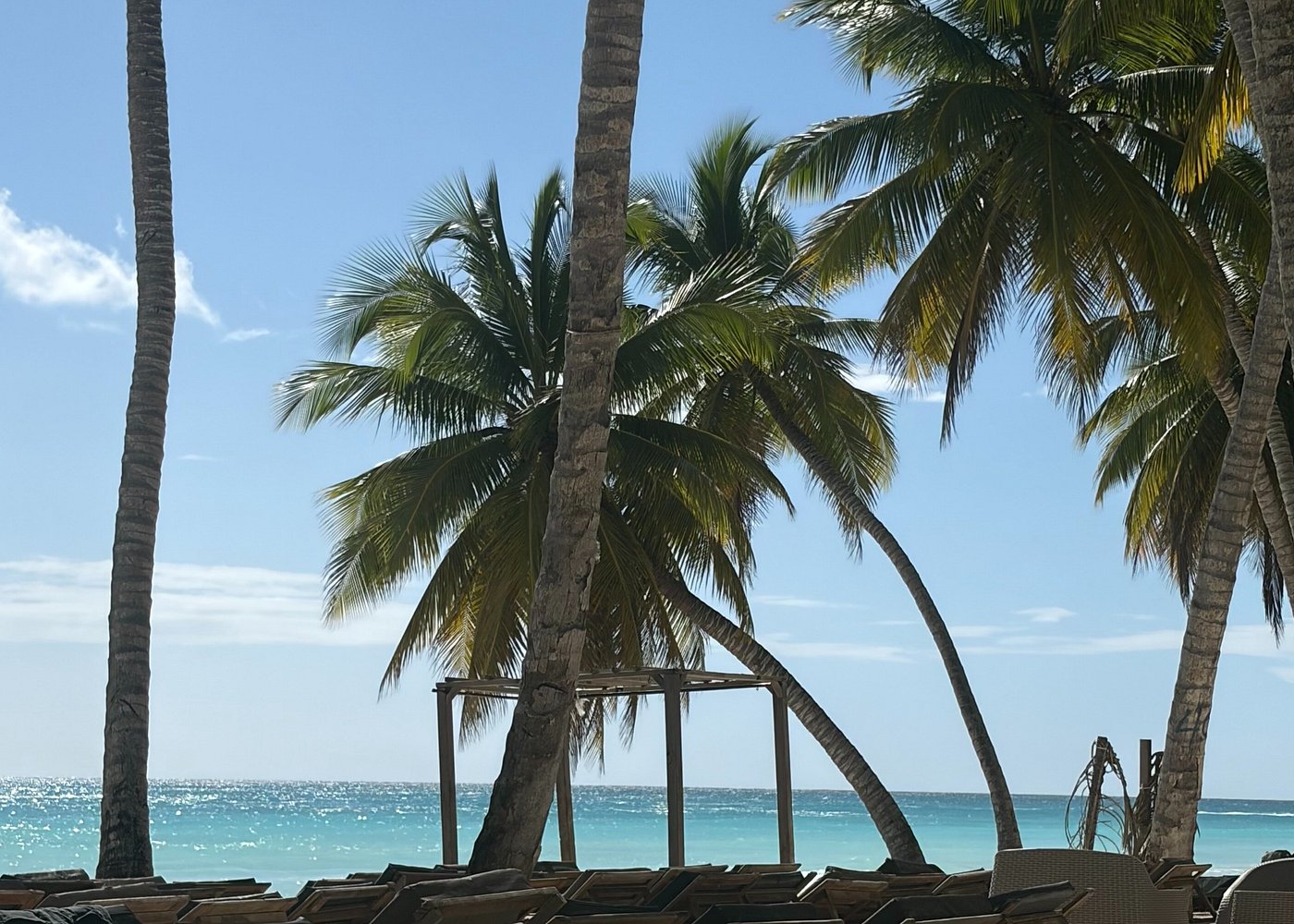
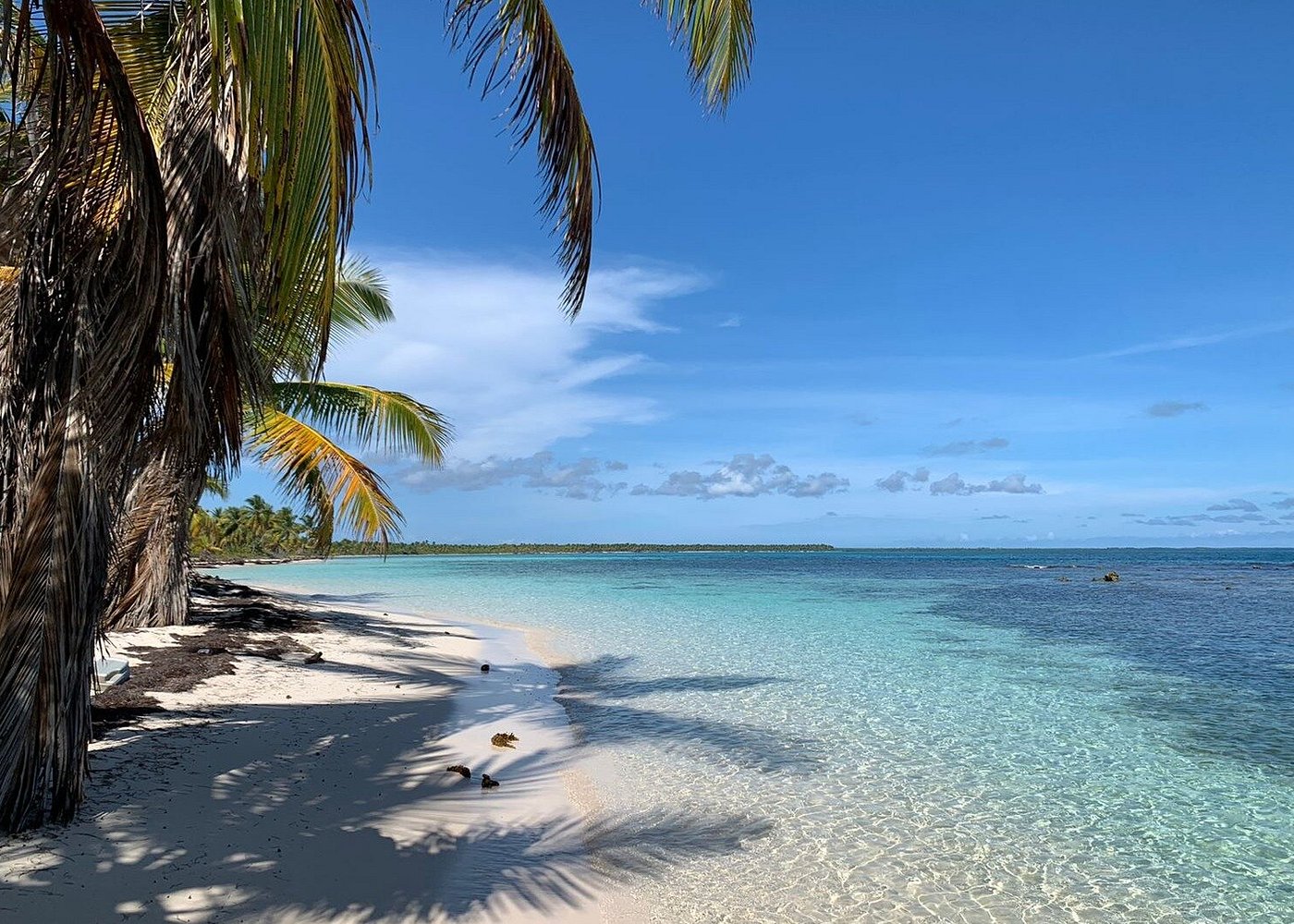
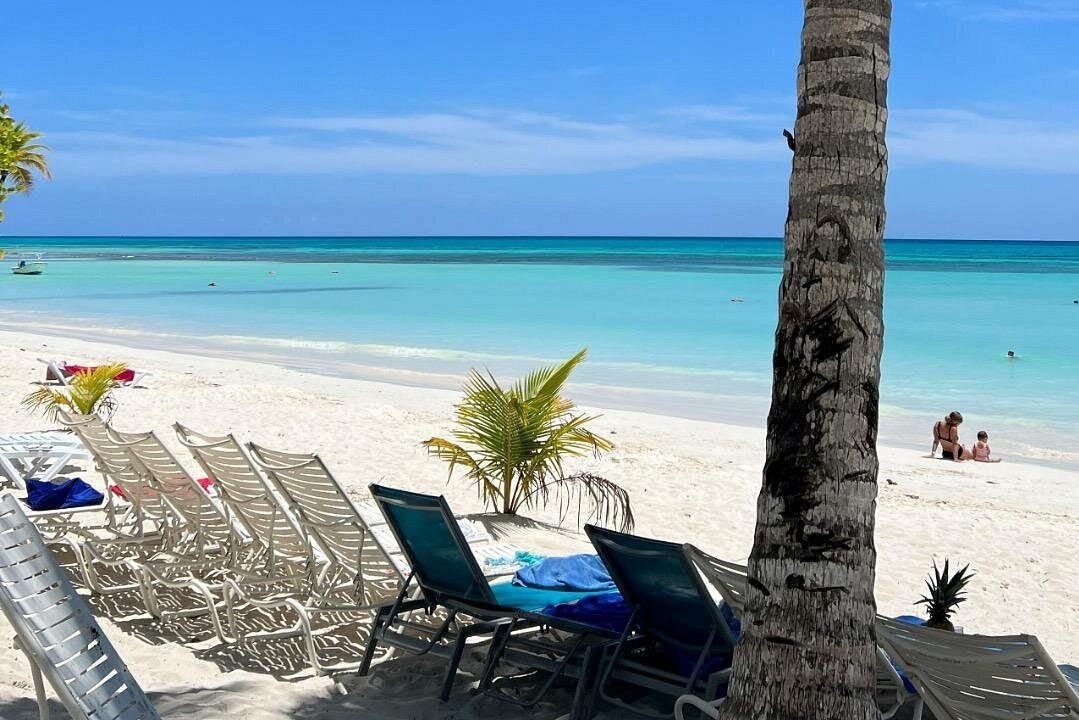
Saona Island is one of the most visually appealing destinations in the Dominican Republic. Its turquoise Caribbean waters, white-sand beaches, tropical palm trees, wooden boats, and beautiful coastal landscapes create countless opportunities for travel photography.
Many visitors take photographs during ordinary island excursions. However, travelers who want to spend more time creating photographs may prefer an excursion planned around photography.
A Saona Island photography tour is an opportunity to organize your island visit with greater attention to composition, lighting, locations, and available time.
Whether you are an amateur photographer, a travel content creator, a couple interested in professional-looking vacation pictures, or someone who simply enjoys capturing beautiful scenery, planning ahead can make your experience more rewarding.
This guide explains how to plan a photography-focused Saona Island excursion, what to photograph, which equipment to consider, and what to ask before booking.
What Is a Saona Island Photography Tour?
A photography tour is an excursion in which taking photographs is an important part of the experience.
Unlike a standard sightseeing trip, a photography-focused itinerary may place additional emphasis on:
- Spending enough time at selected locations.
- Photographing beaches and coastal scenery.
- Choosing suitable times for natural lighting.
- Allowing time for different compositions.
- Organizing transport around photography locations.
- Providing flexibility for changing light and weather.
Not every Saona Island tour is specifically designed for photographers. Some operators may offer private arrangements or customized itineraries, while others follow fixed schedules.
Always confirm the actual services before booking rather than assuming that a standard excursion includes dedicated photography time.
Why Choose Saona Island for Photography?
Saona Island offers a combination of natural features that can make a photography trip interesting.
1. Turquoise Caribbean Water
The island's shallow coastal waters can create beautiful shades of blue and turquoise.
Photographers can experiment with wide compositions that combine the water, shoreline, and sky.
The appearance of the water changes with sunlight, weather, depth, and viewing angle, so the same location can look different throughout the day.
2. White-Sand Beaches
White-sand beaches provide simple backgrounds for portraits, travel photographs, and wide landscape compositions.
The contrast between pale sand and blue water can help create clean and visually balanced photographs.
3. Tropical Palm Trees
Palm trees are among the most recognizable visual elements of Caribbean island scenery.
They can be used as foreground subjects, framing elements, or silhouettes against the sky.
4. Boats and Coastal Activity
Boats can add a sense of movement and scale to coastal photographs.
A carefully composed image of a boat near the shoreline can communicate the atmosphere of an island excursion.
Photographers should always respect operational safety instructions and avoid entering restricted boat areas.
Best Photography Locations to Consider
Your itinerary will determine which locations are accessible during the excursion. The following are recognizable places and landscape types to discuss with your tour provider.
1. Palmilla Natural Pool
The Natural Pool is a well-known shallow-water sandbar area visited by many Saona Island excursions.
Its shallow turquoise water creates opportunities for wide-angle photographs and images featuring the surrounding Caribbean landscape.
Photography ideas include:
- Wide shots of the shallow-water setting.
- Reflections and patterns in the water.
- Photographs of the coastline from permitted viewing areas.
- Environmental portraits with the water as a background.
Because this location is popular, it may be busy during certain periods. Do not assume that every tour can provide a quiet or uninterrupted photography session.
2. Canto de la Playa
Canto de la Playa is known for its natural beach scenery.
If your excursion itinerary includes this location, it may offer opportunities to photograph sand, sea, coastal vegetation, and the wider landscape.
Possible compositions include:
- Panoramic beach photographs.
- Palm trees against the sky.
- Shoreline details.
- Natural textures and patterns.
Access and available time depend on the operator's itinerary and applicable protected-area arrangements.
3. Mano Juan
Mano Juan is a small settlement on Saona Island.
It offers a different photographic subject from the island's beaches, with village scenery and elements of local life.
When photographing people, homes, or private spaces, ask permission and respect anyone who does not wish to be photographed.
Photography should represent the community respectfully rather than treating residents as tourist attractions.
4. Coastal Boat Views
The journey to Saona Island can also provide interesting photographic opportunities.
Depending on the boat, weather, and safety arrangements, visitors may photograph:
- Coastal scenery.
- The sea and horizon.
- Boats moving through Caribbean waters.
- Island approaches.
- Natural landscape views from permitted passenger areas.
Keep your camera secure and follow crew instructions throughout the journey.
Choosing the Best Time for Photography
Lighting can have a major effect on travel photographs.
A photography-focused excursion should consider not only the location but also the time available at each stop.
Morning Light
Morning light can provide attractive conditions for coastal photography.
Depending on weather and the direction of the coastline, it may offer softer illumination and a different atmosphere from midday.
Morning photography can be particularly useful for beach scenes and portraits.
Midday Light
Many standard excursions spend time on the island around the middle of the day.
Strong sunlight can produce bright colors and clear water details, but it may also create harsh shadows and high contrast.
Photographers can try:
- Using shade for portraits.
- Avoiding direct sunlight in people's eyes.
- Exposing carefully for bright sand and water.
- Using a polarizing filter when suitable.
- Photographing wider scenes with balanced exposure.
Afternoon Light
Afternoon conditions can create attractive coastal colors as sunlight changes.
However, the actual light depends on weather, cloud cover, and the direction of the subject.
Do not assume that every excursion remains on the island late enough for sunset photography. Confirm the schedule before booking.
What Camera Equipment Should You Bring?
The best equipment depends on your photography style, experience, and comfort during boat travel.
You do not need an expensive professional camera to create memorable photographs.
Smartphone Camera
A modern smartphone can be suitable for:
- Beach photographs.
- Portraits.
- Wide coastal views.
- Short travel videos.
- Social media content.
Clean the camera lens before taking photographs and keep the device protected from water and sand.
Mirrorless or DSLR Camera
A dedicated camera can provide greater control over exposure, focus, and image quality.
A versatile zoom lens may be convenient because it allows you to photograph both wide landscapes and more distant subjects.
Avoid carrying unnecessary equipment if you will be moving frequently between boats and beaches.
Waterproof Protection
Water and sand are two of the main practical concerns during an island excursion.
Consider carrying:
- A waterproof camera pouch or protective case.
- A dry bag.
- A microfiber cleaning cloth.
- Lens caps.
- A secure camera strap.
Test waterproof equipment before relying on it during the trip.
Extra Battery and Memory Card
Photography can consume battery power quickly, especially when recording video.
Carry a charged spare battery if your camera supports one and bring sufficient memory-card capacity.
You may not have convenient charging facilities during an ordinary excursion.
Photography Ideas for Different Travelers
A photography-focused excursion can suit different creative interests.
For Landscape Photographers
Concentrate on wide scenes, horizon placement, beach curves, and the relationship between palm trees and the sea.
Try different compositions rather than photographing every scene from the same standing position.
For Couples
Couples may want a mixture of natural portraits, scenic backgrounds, and photographs together.
A small tripod can be useful where permitted and where it does not obstruct other visitors.
If you want a professional photographer, confirm availability, pricing, and the exact service directly with the provider.
For Families
Family photographs can capture shared moments on the island.
Choose safe, comfortable locations away from boat movement and strong waves.
Do not ask children to pose in unsafe water or near restricted areas simply to create a photograph.
For Content Creators
Content creators may want a combination of photographs, short clips, vertical videos, and landscape footage.
Plan a simple shot list before departure so that you can use the available time efficiently.
How to Choose a Photography-Focused Tour
The most important part of planning is understanding what the operator actually provides.
Before making a booking, consider the following questions.
1. Is It a Dedicated Photography Tour?
Ask whether the excursion is designed around photography or whether it is a regular sightseeing trip.
This distinction matters because standard tours may have fixed stops and limited time at each location.
2. Is the Itinerary Flexible?
Ask whether the provider can adjust the schedule for photography.
Some excursions may follow fixed routes because of transport arrangements, operational requirements, or protected-area rules.
3. How Much Time Is Available at Each Stop?
Photography often requires more time than simply visiting a location.
Find out whether the tour allows enough time for portraits, landscapes, and equipment setup.
4. Is a Photographer Included?
Do not assume that the phrase photography tour means a professional photographer is included.
Confirm whether the package provides:
- A photographer.
- Camera equipment.
- Edited photographs.
- Digital image delivery.
- Professional portrait sessions.
If none of these services is included, the tour may simply be an excursion suitable for visitors who bring their own cameras.
5. Are Photography Activities Permitted?
Ordinary personal travel photography is different from commercial filming, professional production, or organized photography work.
If your plans involve professional equipment, models, paid assignments, commercial use, or special setups, confirm applicable permissions with the relevant authorities and the tour operator.
Photography Etiquette on Saona Island
A photography trip should respect the environment, local residents, and other visitors.
Keep these practices in mind:
- Do not damage plants to create a clearer composition.
- Avoid disturbing wildlife.
- Do not leave equipment or waste behind.
- Ask permission before photographing identifiable local residents.
- Respect privacy around homes and community spaces.
- Avoid blocking walkways or shared beach areas.
- Follow crew instructions around boats and landing points.
- Follow all applicable protected-area restrictions.
A good photograph should never come at the expense of another person's privacy or the natural environment.
Common Photography Mistakes to Avoid
Carrying Too Much Equipment
Heavy equipment can make boat transfers and beach movement uncomfortable.
Choose equipment based on your actual photography goals.
Ignoring Camera Protection
Saltwater spray, sand, and moisture can damage electronic equipment.
Use suitable protective storage and avoid changing lenses in exposed or windy locations when possible.
Photographing Only the Main Attractions
The island's smaller details can be equally interesting.
Try photographing palm textures, beach patterns, shadows, boats, reflections, and coastal vegetation.
Forgetting to Enjoy the Experience
It is easy to spend an entire excursion looking through a camera screen.
Set aside time to experience the island without photographing everything.
Assuming Every Location Will Be Empty
Popular stops may be shared with other visitors.
Plan flexible compositions and respect other people's space instead of expecting exclusive access.
Sample Photography Tour Planning Schedule
The following is an illustrative planning framework, not a confirmed tour timetable.
StagePhotography focusDepartureBoat and coastal travel photographsIsland arrivalWide beach and landscape scenesMain beach stopPortraits, shoreline, palm treesNatural Pool visitShallow-water and panoramic compositionsOptional village visitRespectful community and architectural photographyReturn journeySea views and boat details
The actual route, duration, and order of stops depend on the operator and excursion arrangements.
Frequently Asked Questions
1. Are there dedicated Saona Island photography tours?
Some operators may offer private or customized experiences, but availability should be confirmed directly. Many ordinary excursions allow photography without being specifically designed as photography tours.
2. Can I hire a professional photographer on Saona Island?
Professional photography services may depend on local providers, schedules, and permissions. Ask the tour operator whether a photographer is included or whether an independent service can be arranged.
3. What is the best camera for a Saona Island photography tour?
A smartphone is sufficient for many visitors. Mirrorless and DSLR cameras provide more manual control, but the best choice depends on your experience and equipment-protection needs.
4. Can I take photographs at the Natural Pool?
Visitors commonly photograph the Natural Pool during excursions. Follow operator instructions, respect other visitors, and comply with any applicable restrictions.
5. Is a private tour better for photography?
A private arrangement may offer greater flexibility, depending on the provider and permitted itinerary. It does not automatically guarantee exclusive access or longer time at every location.
6. Can I use a drone during a photography tour?
Drone use is a separate issue from ordinary camera photography. Check applicable aviation and protected-area requirements before bringing or operating a drone.
7. Can I organize a commercial photoshoot on Saona Island?
Commercial photography and professional production may require permissions beyond those needed for ordinary personal photographs. Confirm the current requirements with the relevant authorities before planning the shoot.
8. How can I protect my camera during the boat journey?
Use a suitable protective case or dry bag, secure the camera with a strap, and follow the crew's instructions. Keep equipment away from splashing water and avoid exposing it unnecessarily to sand.
Conclusion: Capture Your Own Caribbean Photography Experience
Saona Island offers a wide variety of photographic subjects, from turquoise coastal water and white-sand beaches to palm trees, boats, and village scenery.
A photography-focused excursion can help travelers make better use of their time by planning suitable locations, considering lighting conditions, and allowing opportunities for different types of photographs.
Before booking, clarify whether the experience is a dedicated photography tour or a standard island excursion. Ask about itinerary flexibility, available time, professional photography services, and any special permissions your plans may require.
With sensible preparation, protected equipment, and respect for the island's natural environment and local community, you can create a memorable collection of Caribbean photographs.
The best photography experience is one that allows you to capture the beauty of Saona Island while appreciating and respecting the destination itself.

Local explorer & expert guide in Whale Miches.