Samaná to Sabana de la Mar by Boat: Crossing the Bay – Complete Guide 2026
The Dominican Republic is home to some of the Caribbean's most beautiful coastal landscapes. Among its interesting geographical features is Samaná Bay, a large bay separating the Samaná Peninsula from the eastern mainland.
On opposite sides of this bay are two coastal communities: Santa Bárbara de Samaná and Sabana de la Mar. Their connection across the water is an important part of the region's transportation and tourism identity.
The Samaná–Sabana de la Mar crossing is particularly interesting because it connects visitors with two different sides of the bay. Samaná is known for its coastal scenery, beaches, and tourism facilities, while Sabana de la Mar is recognized as an important gateway to Los Haitises National Park.
This guide explores the geography of the crossing, the communities on both sides, the bay's natural environment, and its connection with the wider tourism region.
1. Understanding the Samaná Bay Crossing
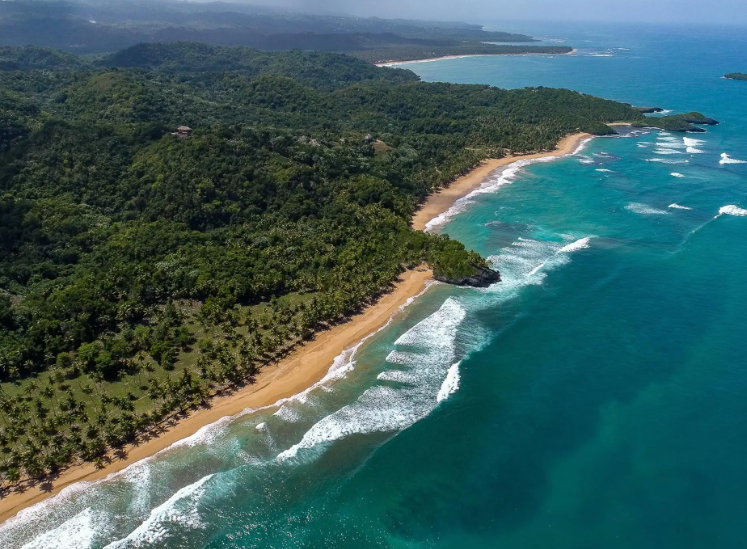
Samaná Bay is located along the northeastern coast of the Dominican Republic. It separates the Samaná Peninsula from the eastern mainland and forms one of the country's most recognizable coastal landscapes.
Santa Bárbara de Samaná sits on the northern side of the bay, while Sabana de la Mar is located on its southern shore.
The two communities face each other across the water, creating a natural connection between the peninsula and the eastern side of the country.
The passenger crossing is commonly described as a ferry connection. The official Samaná tourism website describes the journey as taking approximately 55 minutes, although actual transport arrangements and journey times should always be confirmed before travel.
The crossing is more than a connection between two towns. It reflects the importance of the bay to local communities, transportation, and regional tourism.
2. Where Is Samaná Located?
Santa Bárbara de Samaná is the main town on the Samaná Peninsula in northeastern Dominican Republic.
The town is known for its waterfront setting, surrounding hills, colorful buildings, and connection with the wider Samaná tourism region.
What Makes Samaná Special?
Samaná offers a combination of natural and cultural attractions:
- A scenic waterfront and coastal landscape.
- Access to the wider Samaná Peninsula.
- Traditional Dominican food and local culture.
- Nearby beaches and natural attractions.
- Seasonal whale-watching tourism in Samaná Bay.
- Access to the region's wider accommodation and tourism facilities.
The town is an important starting point for discovering the peninsula's natural and cultural heritage.
3. Discover Sabana de la Mar
Sabana de la Mar is a coastal municipality located on the southern side of Samaná Bay in Hato Mayor Province.
It has a different atmosphere from the more developed tourism areas of the Samaná Peninsula.
The town is closely connected with fishing, coastal life, local commerce, and the natural landscapes of the eastern bay region.
Why Is Sabana de la Mar Important?
Sabana de la Mar is particularly important because of its relationship with Los Haitises National Park.
The town is one of the main communities associated with access to the park's natural environment.
Its surroundings include:
- Coastal wetlands.
- Mangrove ecosystems.
- Limestone formations.
- Tropical vegetation.
- Traditional fishing communities.
- Natural waterways and estuarine environments.
These characteristics make Sabana de la Mar an interesting destination for travelers who appreciate nature and local culture.
4. The Geography of Samaná Bay
Samaná Bay is one of the Dominican Republic's important coastal geographical features.
Its wide water area, surrounding landforms, and connection with the Atlantic Ocean create a distinctive marine environment.
The bay is surrounded by different landscapes, including coastal communities, mangroves, wetlands, and mountainous areas.
Why Is Samaná Bay Important?
Coastal geography: The bay forms a major geographical feature between the Samaná Peninsula and the eastern mainland.
Local transportation: Water connections have historically been important for communities located around the bay.
Fishing traditions: The surrounding waters contribute to the region's coastal economy and local food culture.
Marine biodiversity: The wider bay environment supports different marine and coastal species.
Tourism: The bay contributes to the area's reputation as an important natural destination.
The crossing between Samaná and Sabana de la Mar is one way to understand how the bay connects communities on opposite shores.
5. What Makes the Crossing Geographically Interesting?
The journey across the bay provides an interesting perspective on the relationship between the peninsula and the mainland.
Rather than following the longer land route around the bay, a water connection links the two coastal communities more directly.
The surrounding landscape reflects the natural diversity of northeastern Dominican Republic.
Depending on visibility and weather, the wider bay environment may include views of distant coastlines, green hills, coastal vegetation, and open water.
This geographical setting helps explain why Samaná Bay has long been important to local transportation and regional development.
6. The Connection Between the Crossing and Los Haitises National Park
One of the main reasons travelers are interested in Sabana de la Mar is its connection with Los Haitises National Park.
Los Haitises is one of the Dominican Republic's most important protected natural areas.
The park is famous for its mangrove forests, limestone formations, coastal caves, and biodiversity.
Why Is Los Haitises Special?
The national park contains several distinctive natural features.
Mangrove forests: Mangroves provide important habitat for wildlife and contribute to coastal protection.
Limestone formations: The park contains impressive karst landscapes shaped by natural geological processes.
Coastal caves: Several caves contain archaeological and cultural features associated with the Indigenous Taíno people.
Birdlife: The wider protected environment supports a variety of coastal and forest birds.
Marine and wetland habitats: Different ecosystems contribute to the area's ecological diversity.
Sabana de la Mar is geographically associated with the park's eastern side and is an important community in the surrounding nature-tourism region.
The bay crossing and a visit to Los Haitises are separate travel experiences. A passenger crossing does not automatically include admission, guiding, or any park visit.
7. Samaná and Sabana de la Mar: Two Different Coastal Communities
Although both communities are located around Samaná Bay, they have distinct characteristics.
Santa Bárbara de Samaná
Samaná is an established tourism destination with accommodation, restaurants, waterfront areas, and access to attractions across the peninsula.
It is particularly associated with the region's beaches, natural scenery, and seasonal marine tourism.
Sabana de la Mar
Sabana de la Mar has a more local coastal-town atmosphere.
Its identity is closely connected with the fishing industry, the surrounding natural environment, and its geographical relationship with Los Haitises National Park.
Comparing the Two Towns
FeatureSamanáSabana de la MarLocationNorthern side of the baySouthern side of the bayProvinceSamanáHato MayorAtmosphereEstablished tourism townTraditional coastal communityMain identityBeaches and regional tourismFishing and natural heritageNearby attractionSamaná PeninsulaLos Haitises National ParkLandscapeHills and waterfrontCoastal wetlands and countryside
Both communities contribute to the cultural and geographical identity of the bay.
8. Samaná Bay and Its Natural Environment
Samaná Bay is an important natural environment that supports different marine and coastal ecosystems.
The bay's surrounding landscapes include mangroves, estuaries, wetlands, and coastal vegetation.
These environments provide habitats for numerous organisms and contribute to the ecological balance of the region.
Mangrove Ecosystems
Mangroves are an essential part of tropical coastal environments.
Their specialized root systems help stabilize sediments and provide habitat for aquatic organisms.
They also offer feeding and shelter areas for several bird species.
Marine Biodiversity
The wider bay environment supports different forms of marine life.
Its ecological importance makes responsible environmental management essential.
Coastal Birds
Wetlands and coastal habitats provide resting and feeding areas for birds.
Birdlife contributes to the natural character of the region and makes the surrounding environment particularly interesting for nature enthusiasts.
9. Seasonal Natural Highlights of Samaná Bay
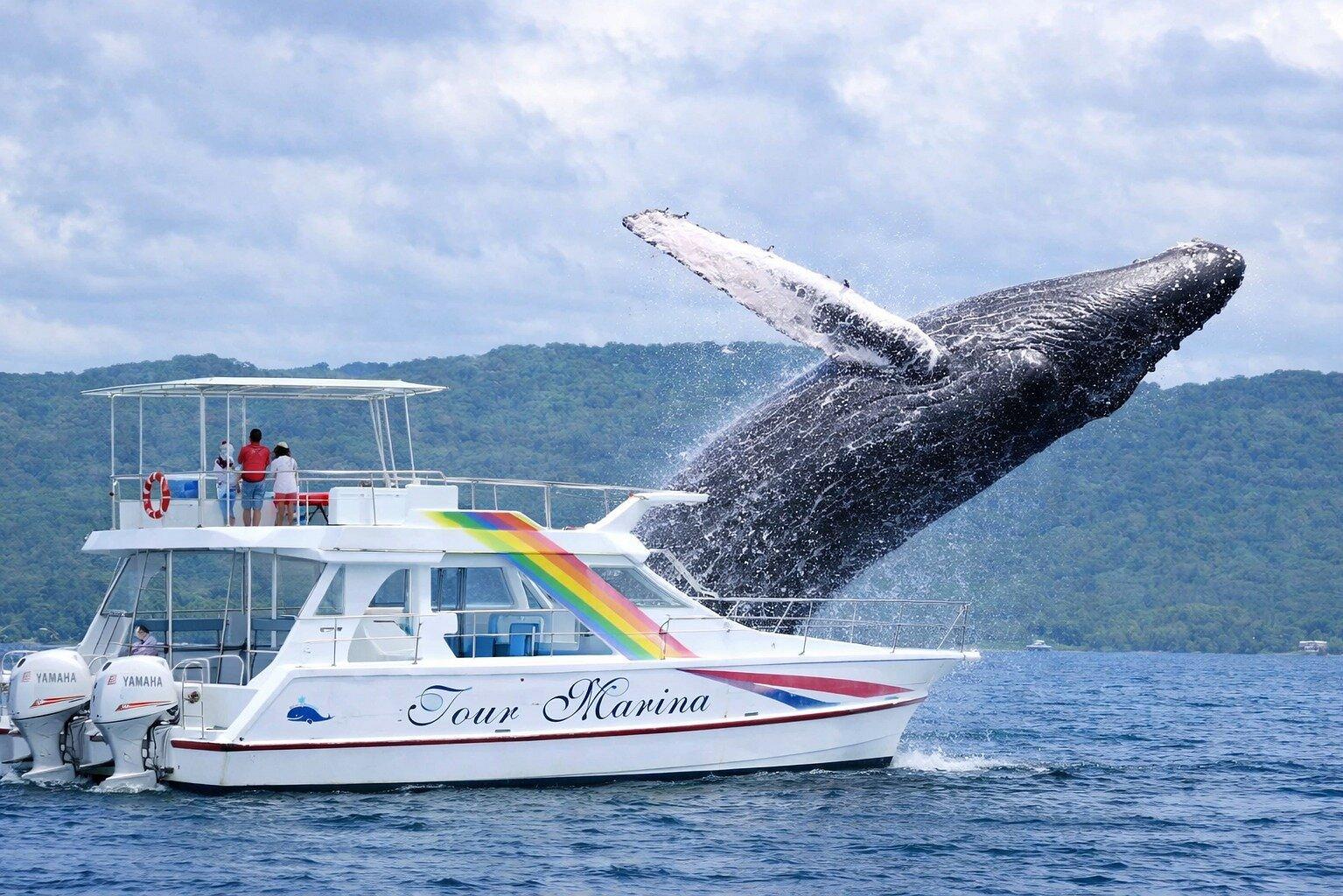
Samaná Bay is internationally recognized for its seasonal humpback whale activity.
During the winter months, humpback whales migrate to the warm waters of the Dominican Republic to reproduce and give birth.
The whale-watching season is generally associated with January through March, although the timing of individual sightings can vary.
This seasonal activity is one of the reasons Samaná Bay has become an important marine tourism destination.
The bay also has ecological importance beyond whale season because its coastal and marine habitats support wildlife throughout the year.
10. Transportation Information and Important Travel Considerations
The Samaná–Sabana de la Mar connection is commonly described as a passenger ferry crossing.
However, published information about current operating arrangements, departure times, and fares may not always be consistent.
The official Samaná tourism website describes the crossing as approximately 55 minutes, but that should be treated as a general reference rather than a guaranteed journey time.
Travelers should verify current passenger-service information before arranging their wider itinerary.
Important Information to Confirm
Before relying on the crossing, make sure the following information is confirmed through an appropriate local or official source:
- Whether passenger service is operating on the intended date.
- The current departure and arrival arrangements.
- The expected journey duration.
- Current passenger and luggage conditions.
- Whether weather conditions may affect operations.
- Any relevant travel notices.
Do not plan a tightly timed connection around an unconfirmed departure.
Water Travel Safety
Travel on open water requires attention to weather and passenger safety.
Visitors should follow the operator's safety instructions, use appropriate life jackets, and avoid boarding if the vessel appears overloaded or conditions are considered unsafe.
Children should travel with responsible adults and receive appropriate safety equipment.
11. Road Travel as a Different Connection Between the Two Areas
The bay crossing is not the only geographical connection between the Samaná Peninsula and the eastern mainland.
Road travel provides another way to connect the two regions.
However, traveling around the bay by road involves a considerably longer geographical journey than crossing directly over the water.
The road option may be relevant for travelers whose transportation arrangements require a land connection.
The appropriate choice depends on the current availability of services, personal itinerary, and transportation requirements.
12. What Can Visitors Discover in Samaná?
Samaná offers several attractions for visitors interested in natural scenery and Dominican culture.
Samaná Waterfront
The waterfront is an important part of the town's identity.
It offers views of the bay and provides a place to experience the atmosphere of the coastal community.
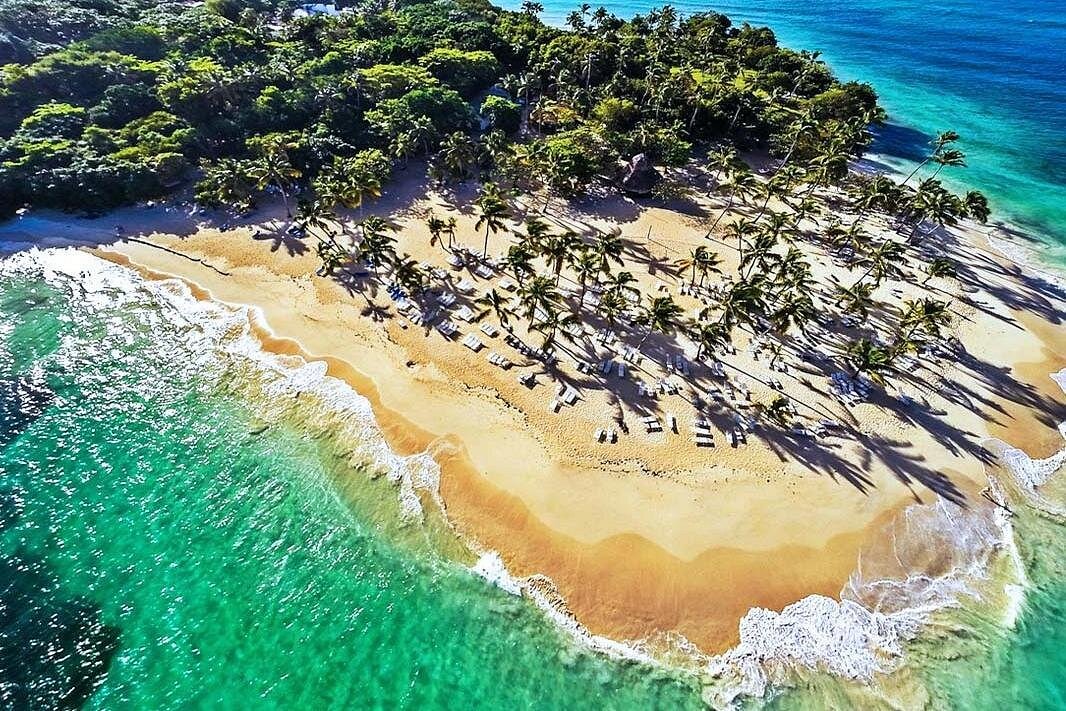
Cayo Levantado
Cayo Levantado is a small island in Samaná Bay known for its tropical scenery and attractive beaches.
It is one of the region's recognizable natural attractions.
Playa Rincón
Playa Rincón is widely known for its beautiful coastal landscape, tropical vegetation, and long sandy shoreline.
It is one of the best-known beaches on the Samaná Peninsula.
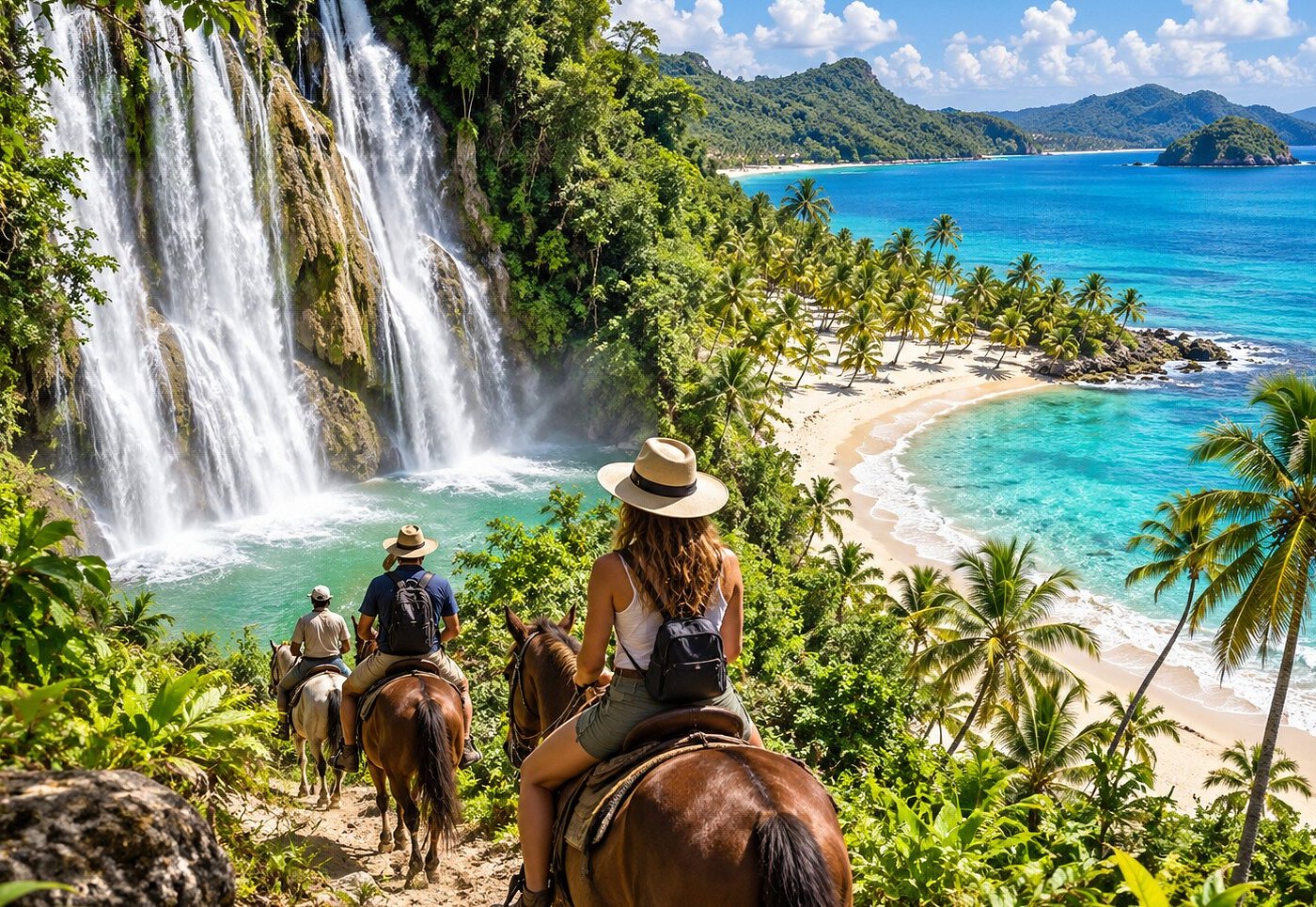
El Limón Waterfall
Salto El Limón is an important natural attraction in the Samaná region.
The waterfall is surrounded by tropical vegetation and is recognized for its scenic landscape.
Local Dominican Culture
Samaná is also an interesting place to learn about Dominican traditions, food, music, and local community life.
13. What Can Visitors Discover Around Sabana de la Mar?
Sabana de la Mar is particularly interesting for travelers who want to understand the natural environment of eastern Samaná Bay.
Los Haitises National Park
Los Haitises is the region's most recognizable natural attraction.
Its mangroves, limestone formations, caves, and wildlife make it an important protected area.
Caño Hondo
Caño Hondo is associated with the natural landscape near Los Haitises.
The area is known for its freshwater environment, green surroundings, and eco-tourism identity.
Local Coastal Culture
Sabana de la Mar provides opportunities to learn about the traditions of a coastal Dominican community.
Fishing, local food, and everyday life contribute to its regional identity.
Hato Mayor Province
The wider province contains natural landscapes and rural communities that offer another perspective on the Dominican Republic beyond its major resort destinations.
14. Environmental Protection Around Samaná Bay
The long-term value of Samaná Bay depends on maintaining the health of its coastal and marine ecosystems.
The bay and surrounding region face environmental pressures associated with development, pollution, and changing coastal conditions.
Protecting Mangroves
Mangroves help protect coastlines and support biodiversity.
Their conservation is important for maintaining healthy coastal environments.
Reducing Marine Pollution
Plastic waste and other pollutants can negatively affect marine life.
Responsible waste management helps protect the bay's natural resources.
Protecting Marine Wildlife
Marine wildlife should be observed respectfully.
Visitors should follow environmental regulations and avoid disturbing animals or their natural habitats.
Supporting Local Communities
Responsible tourism can support local businesses and increase awareness of environmental protection.
The communities around Samaná Bay have an important role in preserving the region's natural and cultural heritage.
15. Best Time to Explore the Samaná Bay Region
The region can be explored throughout the year, although seasonal weather influences outdoor travel conditions.
December to April
These months are generally popular for tourism in the Dominican Republic.
They are also associated with the humpback whale season in Samaná Bay.
May to June
The weather can become more variable, with occasional rainfall and warm tropical conditions.
July to November
This period includes the Atlantic hurricane season, which officially runs from June through November.
Travelers should monitor official forecasts and local weather guidance.
Planning Around Weather
Because the crossing takes place on open water, weather and sea conditions are important considerations.
Travel plans should remain flexible, especially during periods of unsettled weather.
16. Why the Samaná–Sabana de la Mar Connection Matters
The connection between Samaná and Sabana de la Mar demonstrates the importance of Samaná Bay to the surrounding communities.
The two towns have different geographical and cultural identities, but the bay connects them through a shared coastal environment.
For tourism, the connection is particularly relevant because it links the Samaná Peninsula with the eastern side of the bay and the region surrounding Los Haitises National Park.
It also highlights the importance of water transportation in areas where coastal geography shapes everyday life.
Frequently Asked Questions
1. Where is Samaná Bay located?
Samaná Bay is located in northeastern Dominican Republic, between the Samaná Peninsula and the eastern mainland.
2. Can travelers cross from Samaná to Sabana de la Mar by boat?
The official Samaná tourism website describes a passenger ferry connection between Santa Bárbara de Samaná and Sabana de la Mar. Current operating arrangements should be confirmed before travel.
3. How long does the crossing take?
The official Samaná tourism website gives an approximate duration of 55 minutes. Actual travel time can vary depending on conditions and service arrangements.
4. Is the crossing the same as a Los Haitises excursion?
No. The passenger crossing connects two communities across the bay. A Los Haitises excursion is a separate nature-tourism activity.
5. Where is Sabana de la Mar located?
Sabana de la Mar is located in Hato Mayor Province, on the southern side of Samaná Bay.
6. What is Samaná famous for?
Samaná is known for its beaches, tropical landscapes, coastal scenery, and seasonal humpback whale activity.
7. Why is Sabana de la Mar important for nature tourism?
The town is associated with Los Haitises National Park, one of the Dominican Republic's important protected natural areas.
8. What can visitors see in Los Haitises?
The park is known for mangroves, limestone formations, caves, coastal landscapes, and wildlife.
9. Is Samaná Bay important for marine wildlife?
Yes. The bay is an important marine environment and is particularly recognized for seasonal humpback whale activity.
10. What is the best time to visit Samaná Bay?
December through April is generally a popular period for visitors. The humpback whale season is usually associated with January through March.
11. Can visitors travel around the bay by road?
Yes. Road travel provides an alternative connection between the wider regions, although it involves a longer journey around the bay.
12. Why is the Samaná–Sabana de la Mar connection important?
It connects two coastal communities and provides an important geographical link between the Samaná Peninsula and the eastern side of the bay.
Conclusion
The connection between Samaná and Sabana de la Mar is an interesting part of the Dominican Republic's coastal geography.
Located on opposite sides of Samaná Bay, the two communities represent different aspects of the region's identity. Samaná is recognized for its tourism facilities, beaches, and marine scenery, while Sabana de la Mar is closely associated with local coastal life and the natural heritage of Los Haitises.
The crossing also highlights the importance of the bay as a geographical connection between the peninsula and the eastern mainland.
For travelers exploring northeastern Dominican Republic in 2026, understanding this connection provides useful context for discovering the region's communities, natural environments, and cultural attractions.
Explore the Samaná region with GoBookingAdventures.com and discover the coastal landscapes, local heritage, and natural wonders of the Dominican Republic.

Local explorer & expert guide in Whale Miches.