Best Day Trips from Las Terrenas 2026: Beaches, Waterfalls & Hidden Spots
Introduction
Las Terrenas is one of the most attractive destinations on the Samaná Peninsula in the Dominican Republic. Known for its tropical coastline, white-sand beaches, green landscapes, and multicultural atmosphere, this coastal town offers much more than a traditional beach holiday.
Although Las Terrenas has plenty to discover within the town itself, the surrounding Samaná region contains several remarkable natural and cultural attractions. From the famous Playa Bonita and Playa Cosón to the impressive El Limón Waterfall and the historic communities of the peninsula, there are many places worth learning about during a stay.
The region is particularly appealing because its landscapes change dramatically across relatively small areas. Visitors can discover coastal scenery, tropical vegetation, mountain views, traditional villages, and environmentally important habitats.
This guide explores some of the best places to discover around Las Terrenas in 2026. It includes well-known beaches, natural landmarks, lesser-known scenic locations, and cultural attractions.
Whether you are researching the Samaná Peninsula for a future holiday or looking for inspiration beyond the main tourist areas, these destinations offer a wonderful introduction to northeastern Dominican Republic.
1. Playa Bonita: One of the Most Beautiful Beaches in Las Terrenas
Playa Bonita is one of the most recognisable coastal locations in Las Terrenas.
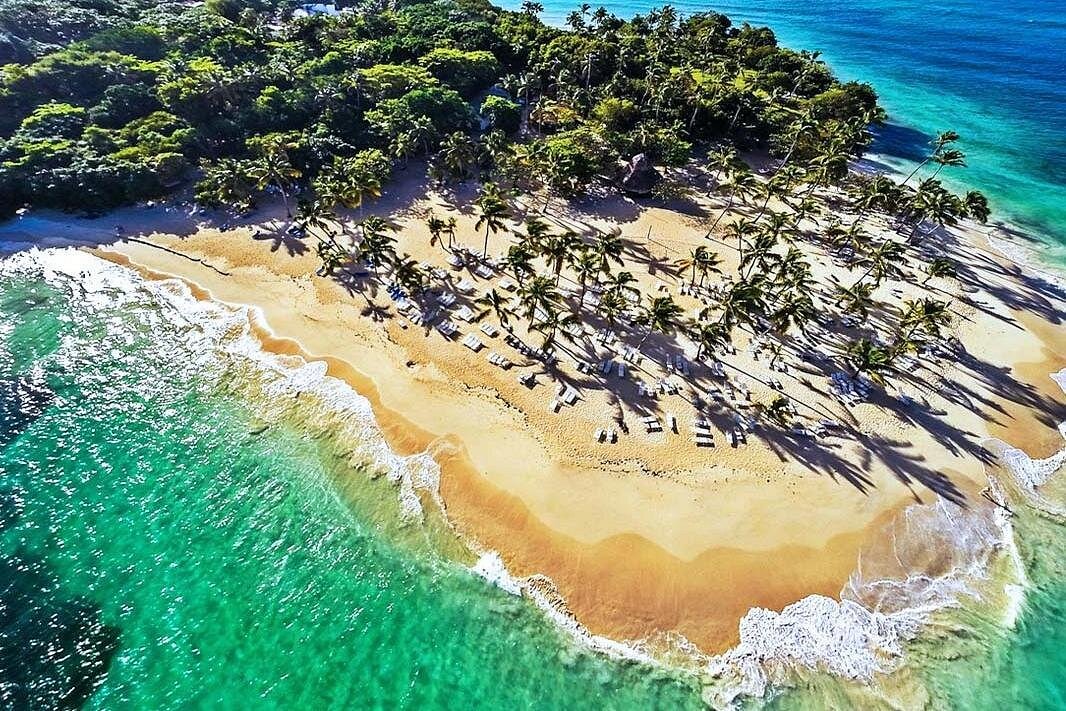
Its name translates to "Beautiful Beach," and its scenery explains why it is so popular among visitors. The coastline features golden-white sand, tropical vegetation, palm trees, and attractive ocean views.
Unlike some larger resort destinations, Playa Bonita has a relatively relaxed coastal atmosphere. Its surroundings include small accommodation properties, restaurants, and residential areas.
What Makes Playa Bonita Special?
- Beautiful tropical coastal scenery.
- Palm-lined sections of shoreline.
- A relaxed atmosphere.
- Nearby restaurants and accommodation.
- Excellent landscape photography opportunities.
Playa Bonita is also an important part of Las Terrenas's international identity. Its combination of natural scenery and local hospitality makes it one of the area's best-known destinations.
Visitors should follow local beach warnings and avoid assuming that the water is safe for swimming simply because it looks calm.
2. Playa Cosón: A Long Stretch of Tropical Coastline
Playa Cosón is another famous beach near Las Terrenas.
Known for its expansive coastline and beautiful natural surroundings, it offers a different atmosphere from the more developed areas closer to town.
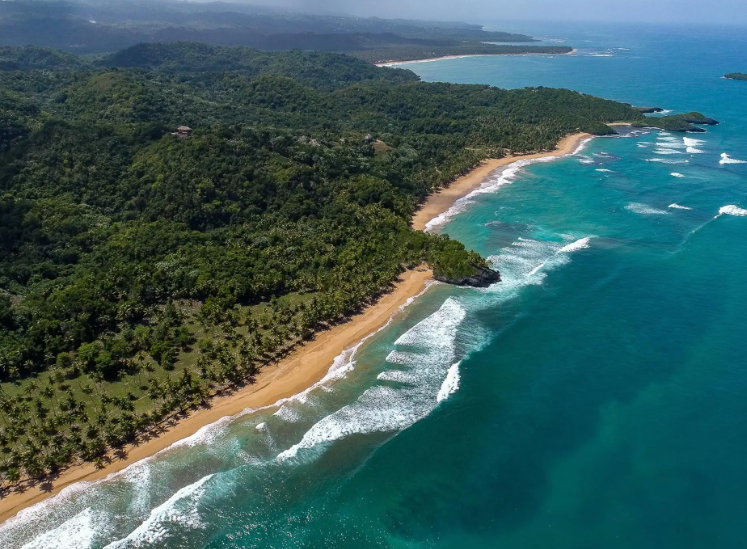
The beach is particularly recognised for its long sandy shoreline, coconut trees, and scenic Atlantic-facing landscape.
Why Visit Playa Cosón?
Playa Cosón is especially interesting for people who appreciate natural coastal scenery.
Its landscape includes:
- Long stretches of sand.
- Coconut palm trees.
- Open ocean views.
- Tropical vegetation.
- A relatively spacious coastal environment.
The surrounding area also has a reputation for local seafood and coastal dining.
Playa Cosón is an excellent example of the natural beauty that makes the Samaná Peninsula so distinctive.
3. Playa Las Ballenas: A Recognisable Coastal Landmark
Playa Las Ballenas is located close to the centre of Las Terrenas.
Its name means "Whales Beach." The name is associated with offshore rock formations that resemble whales.
The beach is an important part of the town's coastal identity and is surrounded by restaurants, accommodation properties, and other visitor facilities.
What Can You Appreciate Here?
- Coastal scenery close to town.
- Views of offshore rock formations.
- A lively surrounding neighbourhood.
- Local restaurants and cafés.
- The connection between Las Terrenas and its maritime identity.
Because of its location, Playa Las Ballenas is one of the most familiar coastal landmarks associated with Las Terrenas.
4. El Limón Waterfall: Samaná's Famous Natural Landmark
El Limón Waterfall, known locally as Salto El Limón, is one of the most famous natural landmarks on the Samaná Peninsula.
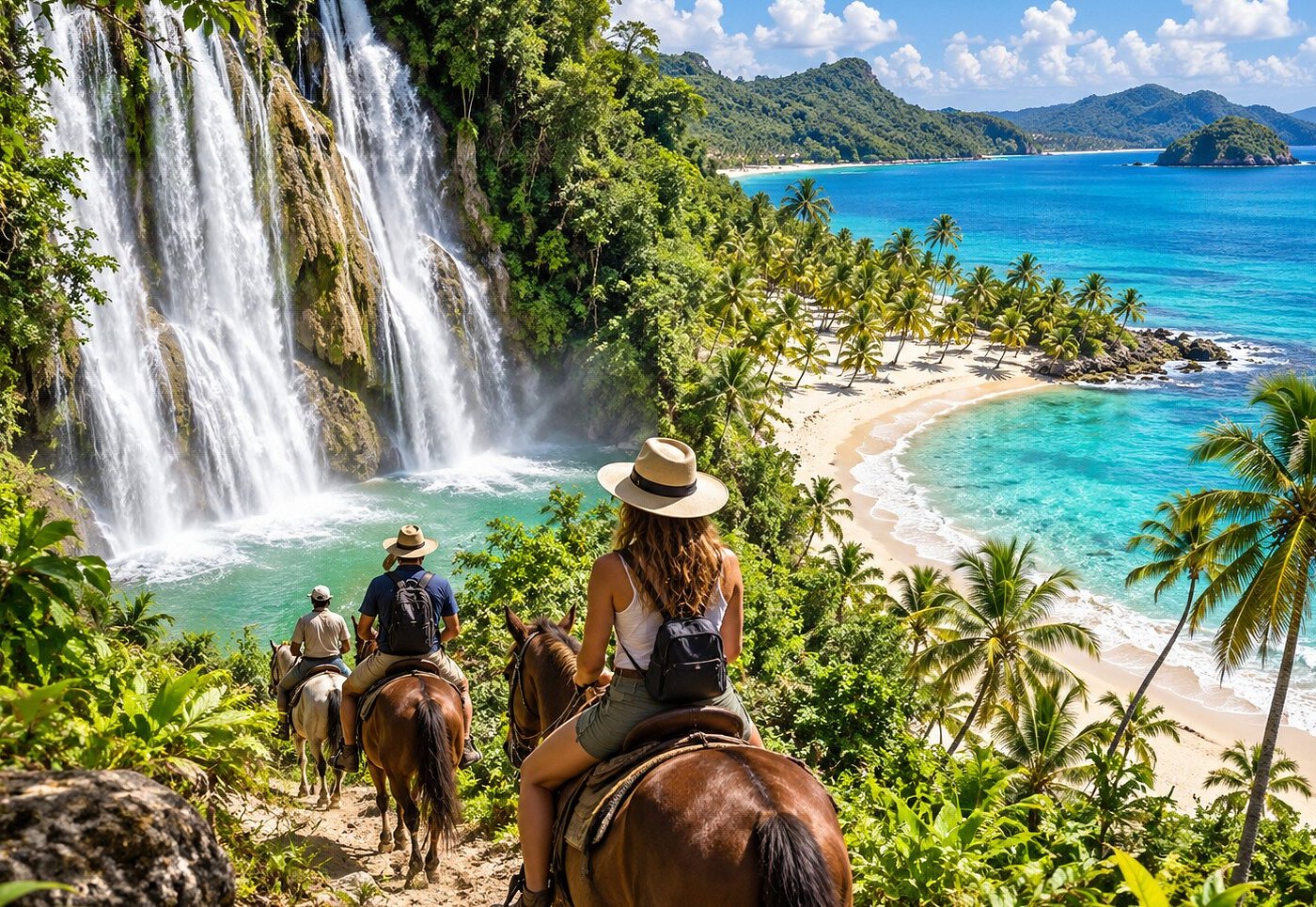
The waterfall is located in a lush tropical environment and descends approximately 40 metres from the surrounding hillside.
Its impressive cascade and green surroundings have made it one of the most photographed natural attractions in the region.
What Makes El Limón Waterfall Special?
The waterfall is notable for several reasons:
- An impressive natural cascade.
- A tropical forest environment.
- Rich surrounding vegetation.
- A freshwater pool beneath the waterfall.
- A distinctive landscape within the Samaná mountains.
The surrounding forest is also home to several native plant and bird species.
The royal palm, palmchat, Hispaniolan woodpecker, and broad-billed tody are among the species associated with the wider environment.
The Natural Environment
El Limón Waterfall is more than a scenic landmark. It forms part of a wider tropical ecosystem.
The vegetation surrounding the waterfall contributes to the region's biodiversity and helps maintain the natural character of the landscape.
Visitors researching this attraction should be aware that the natural setting includes uneven terrain and changing environmental conditions. Any visit should be considered only with appropriate adult supervision and respect for official local safety guidance.
5. Playa Morón: A Coastal Landscape With Historical Character
Playa Morón is another interesting coastal location on the Samaná Peninsula.
It is known for its sandy shoreline, tropical vegetation, and a historical cannon associated with the area's past.
The beach has a different character from the more developed coastal sections of Las Terrenas.
Why Is Playa Morón Interesting?
Its appeal comes from the combination of natural scenery and historical interest.
The surrounding environment features:
- A sandy coastal landscape.
- Green vegetation.
- Atlantic Ocean views.
- Historical remains.
- A quieter regional atmosphere.
The historical cannon provides an unusual connection between the area's natural beauty and its past.
Playa Morón is a useful example of how the Samaná Peninsula combines cultural heritage with coastal scenery.
6. Playa El Valle: A Scenic Coastal Community
Playa El Valle is located in a beautiful natural setting surrounded by green hills and tropical vegetation.
Unlike the more developed parts of Las Terrenas, the area is associated with a smaller coastal community and a strong connection to the sea.
Fishing boats and local restaurants contribute to the character of the surrounding landscape.
What Makes Playa El Valle Different?
- A natural coastal setting.
- Green mountains surrounding the shoreline.
- A traditional fishing-community atmosphere.
- Tropical vegetation.
- A less urbanised landscape.
The surrounding sea can experience strong currents and changing conditions. Visitors should pay attention to local safety information and should not assume that swimming is safe.
7. Santa Bárbara de Samaná: Discover the Region's Main Coastal Town
Santa Bárbara de Samaná is the provincial capital and one of the most important communities on the Samaná Peninsula.
The town has a distinctive location overlooking Samaná Bay and offers an interesting combination of local culture, architecture, and coastal scenery.
For visitors staying in Las Terrenas, the town provides a different perspective on the region.
The Waterfront
The Malecón, or waterfront promenade, is one of the town's most recognisable public spaces.
It offers views across the bay and provides an opportunity to appreciate the relationship between the town and its maritime environment.
Samaná Bridge
The Samaná Bridge is another recognisable landmark.
Its elevated walkways connect several small cays and have become an important part of the town's visual identity.
La Churcha
La Churcha, also known as St. Peter's Church, is a notable historic building in Santa Bárbara de Samaná.
Its wooden architecture reflects the history of the African American community that settled in the region during the nineteenth century.
The building is an important reminder of Samaná's multicultural heritage.
Why Include Santa Bárbara de Samaná?
The town is worth discovering because it offers:
- Historic architecture.
- Local markets and shops.
- Waterfront scenery.
- Regional cultural heritage.
- Views across Samaná Bay.
It is an excellent destination for people interested in understanding the history and identity of the peninsula.
8. Las Galeras: A Small Coastal Village With Distinctive Scenery
Las Galeras is a coastal village located toward the eastern end of the Samaná Peninsula.
It is particularly recognised for its natural surroundings and traditional coastal character.
Compared with larger tourism centres, Las Galeras has a smaller village atmosphere and a strong connection to the surrounding landscape.
What Makes Las Galeras Special?
The area is associated with several well-known coastal locations, including Playa Rincón, Playa Frontón, and Playa Madama.
Its surroundings include:
- Tropical coastal vegetation.
- Mountain scenery.
- Small community areas.
- Beautiful ocean views.
- A distinctive village atmosphere.
Las Galeras provides a useful perspective on the geographical diversity of the Samaná Peninsula.
9. Playa Rincón: One of the Region's Most Famous Beaches
Playa Rincón is widely recognised as one of the most beautiful beaches in the Dominican Republic.
Located in the Las Galeras area, the beach is famous for its long stretch of white sand, coconut trees, and turquoise coastal scenery.
The official Dominican Republic tourism website describes it as an extensive undeveloped beach with an attractive tropical landscape.
What Makes Playa Rincón Famous?
- A long sandy shoreline.
- Coconut palm trees.
- Turquoise coastal scenery.
- A picturesque natural setting.
- A strong reputation among Caribbean beach destinations.
The beach's landscape is particularly attractive for photography and nature appreciation.
Different sections can experience different sea conditions. Visitors should follow local warnings and avoid assuming that every part of the shoreline is suitable for swimming.
10. Playa Bonita's Neighbourhood and Pueblo de los Pescadores
Pueblo de los Pescadores is one of the best-known social and dining areas in Las Terrenas.
The name translates to "Fishermen's Village," reflecting the area's connection to the town's coastal history.
Today, it is associated with restaurants, cafés, and nightlife.
Why Is It Worth Discovering?
The area offers a different experience from simply appreciating the beaches.
It provides an opportunity to understand Las Terrenas as a living community rather than only a coastal holiday destination.
Visitors can discover:
- Dominican food culture.
- International restaurants.
- Local architecture and atmosphere.
- Music and entertainment.
- The town's multicultural character.
The area is particularly associated with the diversity of Las Terrenas, where Dominican traditions meet international influences.
11. Los Haitises National Park: A Region of Mangroves and Limestone Landscapes
Los Haitises National Park is one of the most important protected natural areas in the Dominican Republic.
Although it is not located directly within Las Terrenas, it belongs to the wider Samaná region and is an important part of the peninsula's natural heritage.
The park is known for its unusual limestone formations, mangrove forests, coastal wetlands, and caves.
What Makes Los Haitises Unique?
The landscape includes distinctive limestone hills known as mogotes.
These formations rise above the surrounding water and vegetation, creating a dramatic natural environment.
The park also contains mangrove ecosystems that support different forms of wildlife.
Historical Importance
Los Haitises is also important for its archaeological heritage.
Some caves preserve Taíno paintings and carvings, offering evidence of the region's Indigenous history.
These cultural remains make the park important not only for biodiversity but also for understanding the Dominican Republic's past.
Why Is Conservation Important?
Mangroves provide valuable ecological functions.
They support coastal biodiversity, contribute to shoreline stability, and provide important habitats for wildlife.
Protecting these ecosystems is essential for the long-term environmental health of the Samaná region.
12. Sánchez: A Historic Community on Samaná Bay
Sánchez is a coastal town located beside Samaná Bay.
It has a distinctive historical identity connected to the region's maritime commerce and transportation history.
The town is particularly interesting for its traditional architecture.
What Can Visitors Learn About Sánchez?
The community has several historic wooden buildings with Victorian-inspired architectural details.
These structures reflect the area's past commercial importance.
The town's heritage is also associated with its former port and railway connections.
Why Is Sánchez Worth Knowing?
Sánchez provides a different perspective on Samaná.
Instead of focusing mainly on beaches and natural landscapes, it introduces visitors to the region's history, architecture, and local identity.
It is an interesting cultural subject for anyone researching the wider peninsula.
13. Lulú Waterfall and the Natural Environment of El Valle
Lulú Waterfall is another natural landmark associated with the El Valle area.
It is surrounded by tropical vegetation and forms part of the wider natural landscape of the Samaná Peninsula.
The waterfall is smaller than the famous El Limón cascade but contributes to the region's reputation for freshwater natural scenery.
What Makes It Interesting?
- Tropical vegetation.
- A freshwater waterfall.
- Natural surroundings.
- A connection to the wider El Valle landscape.
Like other natural waterfall environments, the surrounding area can have uneven surfaces and changing conditions. Visitors should respect official access restrictions and local safety guidance.
14. The Hidden Natural Beauty of the Samaná Peninsula
Some of the most memorable features of Samaná are not necessarily individual attractions.
The peninsula's wider landscape is full of natural details that contribute to its character.
Green Mountain Landscapes
The mountainous interior creates a dramatic contrast with the surrounding beaches.
These green hills form an important part of the region's visual identity.
Coconut Groves
Coconut palms are a familiar feature of the Samaná coastline.
They contribute to the tropical scenery and are also connected to local food traditions.
Traditional Coastal Communities
Smaller communities throughout the peninsula preserve a strong connection to fishing, local commerce, and Dominican culture.
Their architecture, food, and everyday atmosphere help distinguish Samaná from larger resort areas.
Coastal Wetlands and Mangroves
Mangrove environments are among the region's most important ecological features.
They provide habitat for wildlife and help maintain the natural balance of coastal environments.
These landscapes deserve attention even when they are not major tourist attractions.
15. Best Time to Discover Places Around Las Terrenas
The Samaná Peninsula has a tropical climate, so it can be appreciated throughout the year.
However, different seasons bring different weather conditions and natural highlights.
January to March
This period is particularly notable for the presence of humpback whales in Samaná Bay.
The winter whale season is one of the region's most famous natural events.
It also coincides with a popular period for visitors to the Dominican Republic.
April to June
These months can be suitable for appreciating the region's landscapes and local communities.
Weather conditions may become wetter as the year progresses.
July to August
The summer period is generally warm and humid.
The region's vegetation and coastal scenery remain attractive, although visitors should monitor local weather information.
September to November
These months fall within the Atlantic hurricane season.
Weather conditions can become unsettled, so official forecasts and local advisories are particularly important.
December
December is part of the popular holiday season.
It is also an attractive time to discover the region's coastal atmosphere and cultural traditions.
16. What Makes Las Terrenas Different From Other Dominican Destinations?
Las Terrenas has a distinctive identity within the Dominican Republic.
Unlike destinations that are primarily known for large all-inclusive resorts, Las Terrenas combines a beach-town atmosphere with international restaurants, local communities, and natural landscapes.
A Multicultural Atmosphere
The town is known for its international character.
Different communities have contributed to its restaurant scene, accommodation choices, and general lifestyle.
A Strong Coastal Identity
Beaches are central to the identity of Las Terrenas.
However, the surrounding mountains, vegetation, and traditional communities also contribute to its appeal.
A Combination of Nature and Town Life
Las Terrenas offers a combination of natural scenery and everyday community life.
Visitors can appreciate coastal landscapes while also learning about Dominican food, music, architecture, and traditions.
Responsible Tourism Around Las Terrenas
The natural beauty of Samaná depends on responsible environmental management.
Tourism can support local communities, but it should not come at the expense of natural habitats.
Visitors can contribute by following a few important principles:
- Avoid leaving rubbish on beaches or in natural areas.
- Respect local communities and cultural traditions.
- Do not disturb wildlife.
- Avoid damaging plants and coastal vegetation.
- Respect protected areas and restricted property.
- Follow official beach and weather warnings.
- Respect local safety instructions and appropriate adult supervision.
Responsible tourism helps preserve the landscapes that make Las Terrenas and the Samaná Peninsula special.
Frequently Asked Questions
1. What are the best places to discover near Las Terrenas?
Some of the best-known destinations include Playa Bonita, Playa Cosón, Playa Las Ballenas, El Limón Waterfall, Playa Morón, Santa Bárbara de Samaná, and the wider Las Galeras area.
2. Is El Limón Waterfall near Las Terrenas?
Yes. El Limón Waterfall is located within the wider Samaná Peninsula and is one of the best-known natural landmarks associated with the region.
3. What is Las Terrenas famous for?
Las Terrenas is famous for its tropical beaches, multicultural atmosphere, international restaurants, coastal scenery, and proximity to natural attractions.
4. Is Playa Bonita worth discovering?
Yes. Playa Bonita is one of the most recognisable beaches in Las Terrenas and is known for its tropical landscape and relaxed coastal atmosphere.
5. What is the difference between Playa Bonita and Playa Cosón?
Both are well-known beaches near Las Terrenas. Playa Bonita is associated with a developed coastal neighbourhood, while Playa Cosón is particularly recognised for its long sandy shoreline and open coastal scenery.
6. What is the best-known waterfall in Samaná?
El Limón Waterfall, also known as Salto El Limón, is one of the most famous waterfalls in the Dominican Republic.
7. Is Los Haitises National Park part of Samaná?
Los Haitises National Park is part of the wider northeastern Dominican Republic region and is closely associated with Samaná's natural heritage.
8. What is Santa Bárbara de Samaná known for?
Santa Bárbara de Samaná is known for its waterfront, historic architecture, Samaná Bay views, and cultural heritage.
9. What is the best season to discover Samaná?
January through April is generally a popular period for visiting the region. January through March is especially associated with the seasonal presence of humpback whales.
10. Are there lesser-known places around Las Terrenas?
Yes. The wider peninsula contains smaller coastal communities, traditional towns, waterfalls, and natural landscapes that receive less attention than the best-known beaches.
11. Is Las Terrenas suitable for nature lovers?
Yes. The region combines beaches, tropical vegetation, mountain landscapes, waterfalls, and coastal ecosystems.
12. Why should visitors explore beyond Las Terrenas town?
Exploring the wider region helps visitors understand the diversity of the Samaná Peninsula, including its natural landscapes, cultural heritage, and traditional coastal communities.
Conclusion
Las Terrenas is much more than a beautiful beach destination. It is an excellent starting point for understanding the natural and cultural diversity of the Samaná Peninsula.
From Playa Bonita and Playa Cosón to the famous El Limón Waterfall, Santa Bárbara de Samaná, Las Galeras, and Los Haitises, the wider region offers a remarkable variety of landscapes and heritage.
Each location has a different identity. Some are known for their beaches, others for waterfalls, while several stand out because of their history and environmental importance.
For visitors researching the Dominican Republic in 2026, these destinations provide a wonderful introduction to one of the country's most distinctive regions.
Discover more destination guides with GoBookingAdventures.com and explore the natural beauty, local heritage, and cultural character of the Dominican Republic.
Las Terrenas is only the beginning of what the Samaná Peninsula has to offer.

Local explorer & expert guide in Whale Miches.