Laguna Gri-Gri, Río San Juan: Mangroves, Caves & Natural Heritage Guide 2026
The Dominican Republic is famous for its Caribbean beaches, tropical landscapes, and beautiful coastal destinations. However, beyond its popular beach resorts, the country also contains remarkable natural environments that deserve attention. One such destination is Laguna Gri-Gri, located in the coastal town of Río San Juan on the country's northern Atlantic coast.
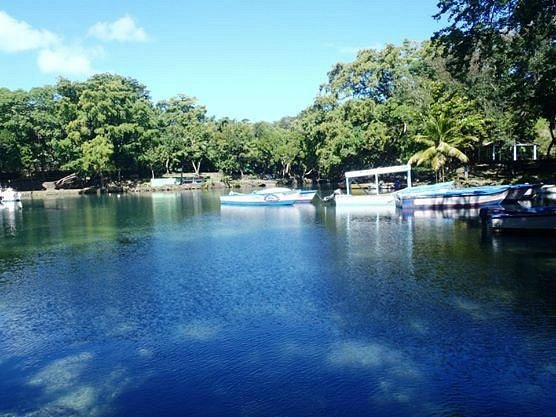
Surrounded by dense mangrove vegetation and recognized for its birdlife, Laguna Gri-Gri is an important natural attraction in María Trinidad Sánchez Province. Its landscape combines sheltered lagoon waters, coastal vegetation, limestone formations, and connections to the Atlantic Ocean.
The area is particularly interesting for people who appreciate nature, wildlife, and environmental conservation. Its mangrove ecosystem provides habitat for birds and aquatic species while helping maintain the ecological balance of the surrounding coastal environment.
This guide explores Laguna Gri-Gri's location, natural history, mangrove ecosystem, birdlife, geological features, and environmental importance in 2026.
1. Where Is Laguna Gri-Gri Located?
Laguna Gri-Gri is located in Río San Juan, a coastal municipality in María Trinidad Sánchez Province, Dominican Republic.
Río San Juan is situated along the country's northern Atlantic coastline, between the coastal communities of Cabrera and Nagua.
The lagoon is one of the area's best-known natural landmarks and is closely connected with the identity of the local community.
Location Overview
- Destination: Laguna Gri-Gri
- Municipality: Río San Juan
- Province: María Trinidad Sánchez
- Country: Dominican Republic
- Coastal region: Northern Atlantic coast
- Natural environment: Mangrove lagoon and coastal ecosystem
- Main ecological feature: Mangrove vegetation and bird habitat
The surrounding landscape includes coastal vegetation, natural waterways, and limestone formations that contribute to the area's distinctive appearance.
2. The Natural History of Laguna Gri-Gri
Laguna Gri-Gri has an interesting geological history.
According to Dominican tourism information, the lagoon developed following an earthquake in 1958. Before that event, the area was associated with a natural spring connected to the sea through a small watercourse.
The geological changes contributed to the formation of the lagoon landscape known today.
Over time, the surrounding vegetation developed into an important natural environment for different forms of wildlife.
The lagoon's name is associated with the gri-grí trees found in the surrounding vegetation.
Its history demonstrates how natural geological events can influence coastal landscapes and create habitats that later become important ecological areas.
3. Understanding the Mangrove Ecosystem
Mangroves are among the most valuable ecosystems found along tropical coastlines.
These salt-tolerant trees grow in coastal environments where land and water meet. Their specialized root systems allow them to survive in conditions that many other plants cannot tolerate.
At Laguna Gri-Gri, mangrove vegetation contributes significantly to the character and ecological importance of the lagoon.
Why Are Mangroves Important?
Natural coastal protection: Mangrove forests can help reduce wave energy and protect certain coastal areas from erosion.
Wildlife habitat: Their roots and surrounding waters provide shelter for fish, crabs, and other aquatic organisms.
Bird habitat: Mangrove environments provide feeding and resting areas for many coastal and wetland birds.
Water quality: Mangroves can help trap sediments and retain certain pollutants before they spread into surrounding coastal waters.
Carbon storage: Mangrove forests are important carbon-rich ecosystems that contribute to climate regulation.
These benefits make the protection of Laguna Gri-Gri's vegetation important for both biodiversity and coastal sustainability.
4. Birdlife and Wildlife Around Laguna Gri-Gri
Laguna Gri-Gri is recognized as an important bird sanctuary in the Dominican Republic.
Its combination of mangrove vegetation, sheltered waters, and coastal habitat provides suitable conditions for different bird species.
Visitors interested in natural history may appreciate learning about the birds and other wildlife associated with this environment.
Birds Associated With Coastal Mangroves
Mangrove and wetland ecosystems in the Caribbean commonly support several types of birds.
These may include:
- Herons.
- Egrets.
- Kingfishers.
- Pelicans.
- Other coastal and wetland bird species.
Different species use mangrove habitats for feeding, resting, shelter, and nesting.
The presence of birds also reflects the importance of maintaining healthy coastal ecosystems.
Other Wildlife
The lagoon's natural environment can support different aquatic and terrestrial organisms.
Examples of wildlife associated with mangrove ecosystems include:
- Small fish.
- Crabs.
- Mollusks.
- Insects.
- Other organisms adapted to coastal wetlands.
The exact species present can vary according to environmental conditions and seasonal patterns.
5. Cueva de las Golondrinas: A Natural Coastal Feature
Cueva de las Golondrinas, also known as the Cave of the Swallows, is one of the natural features associated with the Laguna Gri-Gri coastal landscape.
The cave is named after the swallows associated with the area.
Coastal caves are formed through geological processes that gradually shape limestone and other coastal rock formations.
Over long periods, water movement and natural erosion can contribute to the development of openings, cavities, and distinctive rock formations.
Why Are Coastal Caves Important?
Coastal caves can provide:
- Natural shelter for wildlife.
- Geological information about coastal development.
- Habitat for certain bird species.
- Interesting examples of limestone erosion.
- Scientific and educational value.
These formations are part of the wider natural heritage of Río San Juan.
Their ecological value makes respectful conservation particularly important.
6. The Connection Between Laguna Gri-Gri and the Atlantic Ocean
One of the distinctive characteristics of Laguna Gri-Gri is its relationship with the nearby Atlantic coastline.
The lagoon forms part of a coastal water system connected to the sea through a natural channel.
This connection influences the surrounding environment and helps create conditions suitable for coastal and wetland organisms.
Why Is This Connection Important?
The relationship between coastal lagoons and the sea can influence:
Water movement: Natural connections allow water exchange between different parts of a coastal system.
Nutrient circulation: Water movement helps transport nutrients through aquatic habitats.
Wildlife movement: Certain organisms depend on connected coastal habitats during different stages of their life cycles.
Ecological balance: The interaction between lagoon and marine environments contributes to the area's biodiversity.
The lagoon therefore represents more than a scenic natural feature. It forms part of a wider coastal ecosystem.
7. The Importance of Laguna Gri-Gri for Environmental Conservation
Laguna Gri-Gri is recognized as a protected natural monument.
The Dominican Republic's Ministry of Environment identifies the Monumento Natural Laguna Gri-Grí as a protected area covering approximately 16.15 square kilometres.
Its protected status highlights the importance of conserving the natural landscape and ecological resources of the region.
Conservation Priorities
Important conservation priorities include:
Protecting mangrove vegetation: Maintaining healthy mangrove forests is essential for wildlife habitat and coastal stability.
Reducing pollution: Plastic waste and other pollutants can negatively affect lagoon environments.
Preserving bird habitats: Protecting nesting and feeding areas helps maintain local biodiversity.
Managing tourism responsibly: Environmental awareness can reduce disturbance to sensitive natural areas.
Supporting local communities: Conservation efforts are more effective when local communities benefit from sustainable environmental management.
8. The Natural Landscape of Río San Juan
Río San Juan is known for its attractive coastal scenery and natural attractions.
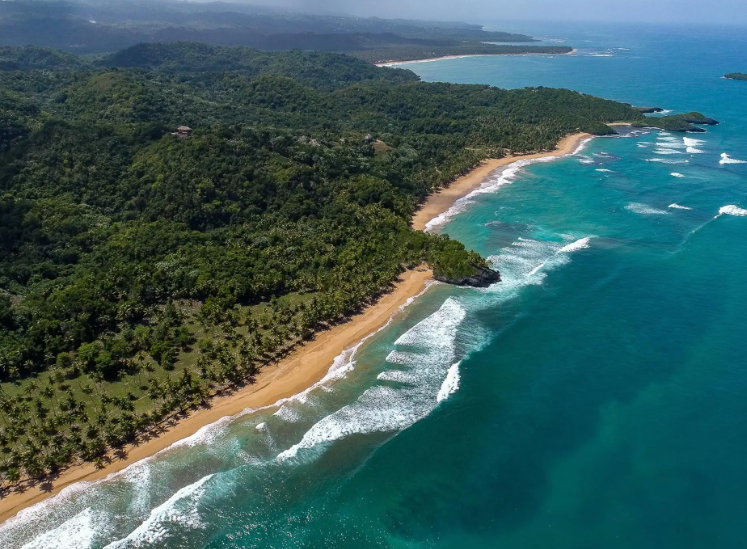
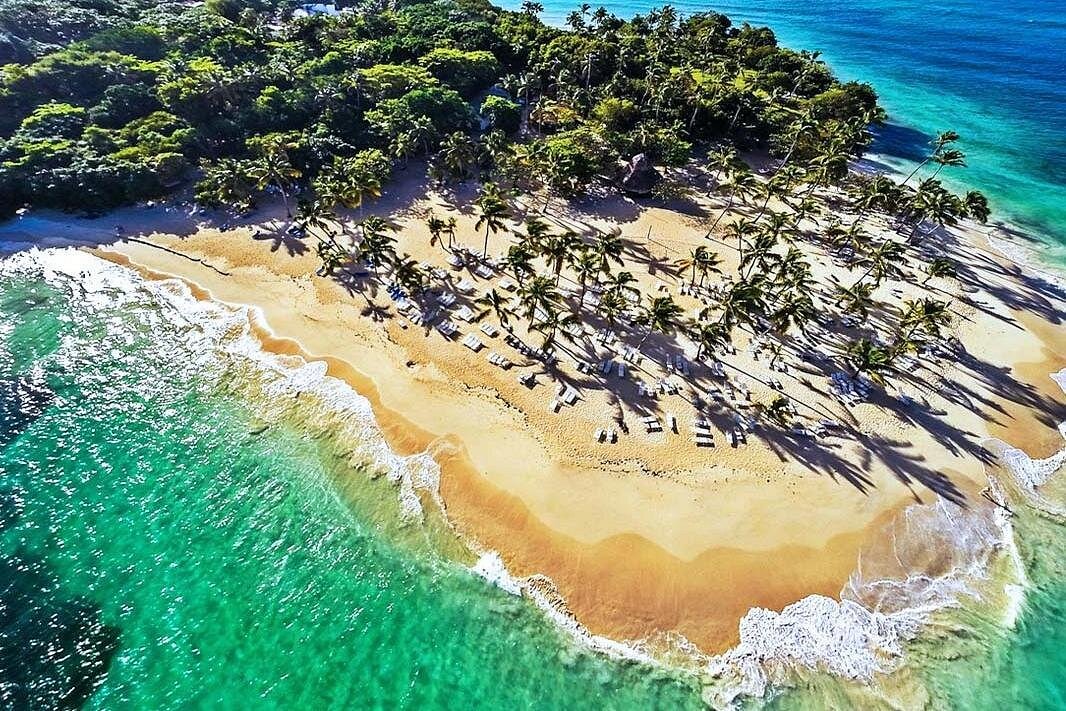
The municipality contains a combination of beaches, lagoons, mangroves, and other coastal environments.
Laguna Gri-Gri is an important part of this wider natural landscape.
Coastal Vegetation
The region's tropical vegetation contributes to the character of its coastline.
Mangroves and other coastal plants provide shelter and support for different organisms.
Limestone Formations
The coastal environment contains geological features shaped by natural erosion over long periods.
These formations contribute to the region's distinctive scenery.
Wetland Environments
Wetlands are important because they support biodiversity and contribute to natural water management.
The lagoon provides an example of how coastal wetlands can form part of a wider ecological network.
9. Laguna Gri-Gri and the Local Community
Laguna Gri-Gri is an important natural landmark for Río San Juan.
The lagoon contributes to the municipality's identity and is closely associated with its tourism profile.
Natural attractions can also create opportunities for local businesses, environmental education, and cultural awareness.
Why Local Communities Matter
Local communities play an important role in maintaining the character of natural destinations.
Their involvement can support:
- Environmental awareness.
- Protection of local natural resources.
- Responsible tourism practices.
- Preservation of regional identity.
- Sustainable economic opportunities.
The long-term value of Laguna Gri-Gri depends on maintaining a balance between environmental protection and responsible community development.
10. Best Time of Year to Appreciate Laguna Gri-Gri's Natural Environment
Laguna Gri-Gri can be appreciated throughout the year, although seasonal weather conditions influence the surrounding landscape.
The Dominican Republic has a tropical climate, with warm temperatures throughout much of the year.
December to April
These months are generally part of the drier season in many parts of the Dominican Republic.
They are popular with visitors interested in outdoor sightseeing and coastal scenery.
May to June
Weather conditions can become more variable, with occasional rainfall.
The tropical vegetation may appear especially lush during periods of increased rainfall.
July to November
This period includes the Atlantic hurricane season, which officially runs from June through November.
Visitors should pay attention to official weather forecasts and local environmental advisories.
Understanding Seasonal Changes
Rainfall, water levels, vegetation, and bird activity can change throughout the year.
Rather than expecting identical conditions during every visit, appreciate Laguna Gri-Gri as a dynamic natural environment.
11. Environmental Challenges Facing Mangrove Ecosystems
Although mangroves are resilient ecosystems, they can still be affected by environmental pressures.
Coastal development, pollution, habitat disturbance, and climate-related changes can create challenges for mangrove environments.
Plastic Pollution
Plastic waste can accumulate in coastal vegetation and waterways.
It can affect wildlife and reduce the environmental quality of natural habitats.
Coastal Development
Unplanned construction may affect natural vegetation and water movement.
Responsible development should consider the ecological importance of coastal wetlands.
Climate Change
Changing sea levels, temperatures, and weather patterns can influence mangrove ecosystems.
Healthy mangrove environments are important for increasing coastal resilience.
Wildlife Disturbance
Excessive noise, littering, and inappropriate human behavior can disturb sensitive wildlife.
Respectful visitor behavior helps protect the natural environment.
12. Responsible Nature Tourism at Laguna Gri-Gri
Nature tourism should contribute positively to the protection of natural environments.
Visitors can support responsible tourism by following environmental guidance and respecting the area's ecological importance.
Simple Ways to Protect the Environment
- Never leave rubbish in the natural environment.
- Avoid damaging mangrove roots or vegetation.
- Do not disturb nesting birds or other wildlife.
- Avoid feeding wild animals.
- Respect protected-area regulations.
- Follow instructions from authorized local authorities.
- Avoid entering restricted natural areas.
These simple actions help preserve the lagoon for future generations.
13. Nearby Natural and Cultural Attractions in Río San Juan
Río San Juan has several attractions that reflect the diversity of the Dominican Republic's northern coastline.
Playa Caletón
Playa Caletón is known for its attractive coastal scenery and relatively sheltered beach environment.
It offers a different landscape from the mangrove vegetation surrounding Laguna Gri-Gri.
Playa Grande
Playa Grande is a well-known beach in the wider Río San Juan area.
It is recognized for its long sandy shoreline and Atlantic coastal scenery.
Ocean conditions can be powerful, and visitors should follow local safety warnings.
Playa de los Minos
This beach is located close to the town and contributes to Río San Juan's coastal identity.
Its local setting offers a different atmosphere from larger resort destinations.
Cabrera
Cabrera is another coastal municipality in María Trinidad Sánchez Province.
The surrounding region is known for its beaches, natural landscapes, and geological attractions.
Puerto Plata
Puerto Plata offers a wider combination of historical and cultural attractions, including Fortaleza San Felipe, Parque Independencia, and the Amber Museum.
14. Why Laguna Gri-Gri Is Worth Learning About
Laguna Gri-Gri is an important example of the Dominican Republic's natural diversity.
Its mangrove forests, coastal waters, birdlife, and geological features create a landscape with considerable ecological and educational value.
Unlike destinations known mainly for large hotels and developed tourism facilities, Laguna Gri-Gri is strongly associated with its natural environment.
Understanding the lagoon helps visitors appreciate the role of coastal wetlands and why their protection matters.
It also highlights the relationship between local communities, tourism, biodiversity, and environmental conservation.
Frequently Asked Questions About Laguna Gri-Gri
1. Where is Laguna Gri-Gri located?
Laguna Gri-Gri is located in Río San Juan, María Trinidad Sánchez Province, on the northern coast of the Dominican Republic.
2. What is Laguna Gri-Gri famous for?
It is known for its mangrove forests, birdlife, coastal scenery, and nearby natural cave formations.
3. Why is it called Laguna Gri-Gri?
The name is associated with the gri-grí trees found in the surrounding vegetation.
4. What makes the lagoon environmentally important?
Its mangroves and wetland habitats support wildlife, contribute to coastal protection, and help maintain local biodiversity.
5. Is Laguna Gri-Gri a protected natural area?
Yes. It is recognized as the Monumento Natural Laguna Gri-Grí, a protected natural area in the Dominican Republic.
6. What is Cueva de las Golondrinas?
It is a coastal cave associated with the Laguna Gri-Gri area. Its name translates into English as Cave of the Swallows.
7. What wildlife is associated with Laguna Gri-Gri?
The mangrove environment supports coastal and wetland birds, as well as fish, crabs, and other organisms associated with tropical wetlands.
8. When was Laguna Gri-Gri formed?
Dominican tourism information connects its formation with geological changes following an earthquake in 1958.
9. Why are mangroves important?
Mangroves provide wildlife habitat, help protect coastlines, trap sediments, and store carbon.
10. What province is Río San Juan in?
Río San Juan is located in María Trinidad Sánchez Province.
11. What other attractions are near Laguna Gri-Gri?
The wider area includes Playa Caletón, Playa Grande, Playa de los Minos, and other coastal attractions.
12. Why should visitors protect Laguna Gri-Gri?
Protecting the lagoon helps maintain mangrove habitats, birdlife, coastal biodiversity, and the natural heritage of Río San Juan.
Conclusion
Laguna Gri-Gri is one of the Dominican Republic's valuable coastal natural attractions.
Located in Río San Juan, this mangrove-lined lagoon represents the ecological richness of the country's northern Atlantic coastline.
Its history, birdlife, coastal caves, and protected natural environment make it an interesting destination for anyone who appreciates nature and environmental conservation.
The lagoon also demonstrates the importance of preserving mangrove ecosystems and maintaining a responsible relationship between tourism and nature.
For travelers exploring the Dominican Republic in 2026, Laguna Gri-Gri offers an opportunity to learn about a different side of the country beyond its famous beaches and resort destinations.
Discover the natural heritage of Río San Juan with GoBookingAdventures.com and learn why Laguna Gri-Gri deserves a place in the Dominican Republic's conservation story.

Local explorer & expert guide in Whale Miches.