Fortaleza San Felipe & Puerto Plata Old Town Walking Guide: Explore History, Architecture & Coastal Charm (2026)
Puerto Plata is one of the Dominican Republic's most fascinating destinations for travelers interested in history, architecture, and Caribbean culture. Located along the country's northern coast, this historic city combines colonial heritage, colorful Victorian buildings, lively public squares, and beautiful Atlantic Ocean views.
Two of its most memorable attractions are Fortaleza San Felipe, a centuries-old coastal fortress, and the Puerto Plata Old Town, where historic streets and architectural landmarks reveal the city's cultural identity.
Exploring these places on foot is a wonderful way to appreciate Puerto Plata beyond its beaches and resort areas. Visitors can discover historic buildings, admire the city's colorful streets, learn about Dominican history, and enjoy the atmosphere of a traditional Caribbean town.
This guide covers the history, major landmarks, suggested walking route, photography opportunities, and practical travel tips for visiting Fortaleza San Felipe and Puerto Plata's historic center in 2026.
1. Discovering Puerto Plata's Historic Charm
Puerto Plata, officially known as San Felipe de Puerto Plata, is an important coastal city in the Dominican Republic. It is widely associated with the Amber Coast, a name connected to the region's natural amber deposits and long-standing craft traditions.
The city's historic center is particularly interesting because of its Victorian-influenced architecture. Colorful wooden buildings, decorative balconies, traditional streets, and public squares create an atmosphere that differs from the modern resort areas along the coast.
Puerto Plata's history reflects several important periods, including Spanish colonial settlement, maritime trade, political change, and the development of tourism.
Walking through the old town allows visitors to experience these different influences in one compact urban area.
2. Fortaleza San Felipe: A Historic Coastal Landmark
Fortaleza San Felipe is one of Puerto Plata's most important historical monuments. Located near the waterfront at La Puntilla, the fortress overlooks the Atlantic Ocean and the entrance to Puerto Plata's historic port area.
Construction was completed in 1577 during Spanish colonial rule. Its original purpose was to help defend the city and its harbor against attacks and foreign incursions along the northern coast.
Today, the fortress operates as a museum and is recognized as an important part of the Dominican Republic's cultural heritage.
Historical Importance
During the colonial period, the Caribbean was an important region for European maritime activity. Coastal settlements and ports required defensive structures to protect their communities and commercial interests.
Fortaleza San Felipe formed part of this wider defensive history. Over the centuries, it also witnessed important political and military developments in the Dominican Republic.
The fortress later served as a prison and became associated with several important historical figures, including Juan Pablo Duarte, one of the founding fathers of Dominican independence.
Its history makes it much more than an architectural attraction. It represents different chapters of the country's colonial and national past.
What to See Inside the Fortress
Visitors can explore the historic structure and learn about its development through museum displays.
Highlights include:
- Historic stone walls and architectural features.
- Museum displays presenting the fortress's history.
- Archaeological and historical objects.
- Exhibitions connected with different periods of Dominican history.
- Views of the Atlantic coastline and nearby port area.
The museum experience offers an opportunity to understand why this location was strategically important and how it became part of Puerto Plata's identity.
Coastal Views and Photography
The fortress is also an attractive location for photography. Its historic architecture creates an interesting contrast with the blue Atlantic Ocean.
Visitors can enjoy views of the surrounding coastline, observe the waterfront environment, and photograph the exterior of the monument.
The nearby La Puntilla area provides additional opportunities to appreciate the coastal setting.
3. Parque Independencia: The Heart of Puerto Plata Old Town
<IMAGE PLACEHOLDER: Parque Independencia and its Victorian gazebo>
Parque Independencia, also known as Parque Central, is one of the best places to begin exploring Puerto Plata's historic center.
The square is surrounded by colorful Victorian-style buildings and mature palm trees. Its central gazebo adds another distinctive architectural feature to the landscape.
The park is an important gathering place for local residents and visitors. People come here to relax, meet friends, enjoy the surrounding cafés, and experience the everyday atmosphere of the city.
Why Visit Parque Independencia?
Parque Independencia offers several reasons to stop during a walking tour:
- Admire the surrounding historic architecture.
- Photograph the traditional gazebo and palm trees.
- Discover the city's central public space.
- Observe local daily life.
- Explore nearby museums, shops, and cafés.
The square is also a convenient starting point because several well-known landmarks are located within walking distance.
4. Catedral San Felipe Apóstol: A Landmark of Faith and Architecture
<IMAGE PLACEHOLDER: Catedral San Felipe Apóstol Puerto Plata>
Located beside Parque Independencia, Catedral San Felipe Apóstol is one of the most recognizable buildings in the city center.
The cathedral is an important religious and architectural landmark. Its prominent white exterior creates a beautiful contrast with the colorful buildings surrounding the central square.
The original church was affected by historical events, including a fire during the Restoration War. The present cathedral reflects later rebuilding and architectural development.
What Makes the Cathedral Special?
The cathedral is worth seeing for several reasons:
- Its distinctive exterior architecture.
- Its important position beside Parque Independencia.
- Its connection with the city's religious history.
- Its role in the cultural life of Puerto Plata.
Visitors should be respectful when entering the cathedral, particularly during religious services. Appropriate clothing and quiet behavior help preserve the peaceful atmosphere.
5. Calle de las Sombrillas: Puerto Plata's Colorful Umbrella Street
<IMAGE PLACEHOLDER: Calle de las Sombrillas colorful umbrella street>
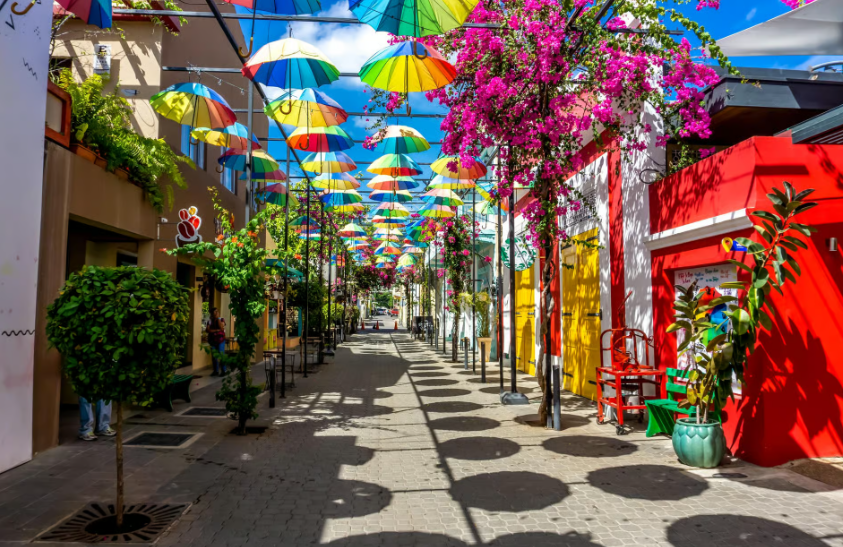
Calle de las Sombrillas, commonly known as Umbrella Street, is one of the most recognizable photography locations in Puerto Plata.
The street features colorful umbrellas suspended overhead, creating a decorative canopy that attracts visitors and photographers.
It offers a different atmosphere from the city's historic monuments. Instead of stone walls and traditional architecture, visitors find a cheerful urban setting filled with color and creative decoration.
What to Experience Here
Umbrella Street is an enjoyable place to:
- Photograph the colorful overhead decorations.
- Explore the surrounding historic streets.
- Discover nearby small businesses.
- Enjoy the lively atmosphere of the old town.
- Capture memorable travel photographs.
The street is especially attractive for visitors interested in colorful urban photography and social media content.
Remember to be considerate of residents and businesses when taking photographs.
6. Paseo de Doña Blanca: A Charming Pink Street
<IMAGE PLACEHOLDER: Paseo de Doña Blanca Puerto Plata>
Paseo de Doña Blanca is another distinctive attraction in the historic center.
This small pedestrian passage is famous for its bright pink-painted walls and charming appearance. It provides a pleasant contrast with the traditional Victorian buildings found elsewhere in the city.
The passage is associated with Bianca Franceschini, a figure connected with the early development of tourism in Puerto Plata.
Why Include It in Your Walking Guide?
Paseo de Doña Blanca is a popular stop because of its:
- Distinctive pink architecture.
- Attractive photography opportunities.
- Small-scale pedestrian setting.
- Connection with Puerto Plata's tourism history.
Although it is a relatively short passage, it adds character to a walking tour and provides another perspective on the city's creative approach to heritage tourism.
7. Explore Puerto Plata's Victorian Architecture
One of the most interesting features of Puerto Plata's old town is its Victorian-influenced architecture.
Many historic buildings feature colorful wooden facades, decorative balconies, detailed windows, and traditional construction elements.
These buildings reflect the city's development during the late nineteenth and early twentieth centuries.
Architectural Features to Notice
During your walk, look for:
Wooden facades: Traditional wooden construction contributes to the historic appearance of many buildings.
Decorative balconies: Some buildings feature attractive balconies and detailed railings.
Pastel colors: Shades of blue, pink, yellow, and green create the colorful character of the historic center.
Traditional windows: Wooden shutters and decorative window frames add architectural detail.
Historic commercial buildings: Former residential and commercial structures help tell the story of the city's development.
Rather than rushing through the streets, take time to observe these details. They help explain why Puerto Plata is considered one of the Dominican Republic's distinctive historic urban destinations.
8. The Puerto Plata Malecón: Enjoy the Atlantic Waterfront
<IMAGE PLACEHOLDER: Puerto Plata Malecón Atlantic waterfront>
The Malecón is Puerto Plata's coastal promenade and an important part of the city's public landscape.
It offers an opportunity to experience the relationship between the historic city and the Atlantic Ocean.
Visitors can enjoy open coastal views, observe the waterfront, and take photographs of the surrounding scenery.
The Malecón also connects naturally with the area around Fortaleza San Felipe, making it a useful part of a heritage-focused visit.
What Makes the Malecón Worth Visiting?
- Open views of the Atlantic Ocean.
- A pleasant coastal atmosphere.
- Opportunities for photography.
- A different perspective on Puerto Plata's geography.
- Access to the historic fortress area.
Weather and sea conditions can change, so visitors should remain aware of local safety notices and avoid restricted waterfront areas.
9. Suggested Puerto Plata Old Town Walking Itinerary
A walking visit can be organized around the historic center and waterfront.
The following suggested itinerary includes the major landmarks without requiring a rushed schedule.
Stop 1: Parque Independencia
Begin at the city's central square. Spend some time appreciating the gazebo, palm trees, and surrounding Victorian buildings.
Stop 2: Catedral San Felipe Apóstol
Continue to the cathedral beside the park. Learn about its importance to the city's religious and cultural identity.
Stop 3: Calle de las Sombrillas
Visit Umbrella Street and enjoy the colorful overhead decorations.
Stop 4: Paseo de Doña Blanca
Continue to the pink pedestrian passage and take photographs of its distinctive appearance.
Stop 5: Historic Streets and Local Shops
Explore the nearby streets, observe the architecture, and discover local crafts and small businesses.
Stop 6: Fortaleza San Felipe
Continue toward La Puntilla and visit the historic fortress museum. Allow enough time to explore the exhibitions and understand the monument's history.
Stop 7: Puerto Plata Malecón
Finish the heritage-focused visit with time near the waterfront, enjoying the Atlantic views and surrounding coastal atmosphere.
The exact walking time depends on your pace, museum visit, photography stops, and the amount of time spent exploring individual attractions.
10. Best Time to Visit Fortaleza San Felipe and Puerto Plata Old Town
Puerto Plata can be visited throughout the year, but weather conditions may influence the comfort of an outdoor walking tour.
The Dominican Republic's northern coast generally experiences warm tropical weather. Visitors should consider both rainfall and daytime temperatures when planning their visit.
December to April
These months are generally popular for visiting the Dominican Republic because conditions are often relatively dry.
They can be a comfortable period for exploring historic streets, visiting museums, and enjoying coastal scenery.
May to June
These months can bring changing weather conditions and occasional rainfall.
Visitors should check the forecast before planning an extended outdoor visit.
July to November
This period can include higher rainfall and tropical weather systems.
The Atlantic hurricane season officially runs from June through November, so travelers should monitor official weather information when visiting during this period.
Recommended Time of Day
Morning is often a comfortable choice for exploring the historic center because temperatures may be less intense than later in the afternoon.
A separate visit to the waterfront can be planned around the day's weather and local conditions.
11. Practical Visitor Tips
A little preparation can make your Puerto Plata walking experience more comfortable.
Wear Comfortable Clothing
Choose comfortable clothing suitable for warm tropical weather. Lightweight materials can help make an outdoor visit more pleasant.
Use Comfortable Walking Shoes
Historic streets and public spaces may have different pavement surfaces. Comfortable shoes can help make walking easier.
Carry Drinking Water
Warm temperatures can make outdoor exploration tiring. Bring drinking water and take breaks when needed.
Protect Yourself From the Sun
Consider a hat, sunglasses, and suitable sun protection during outdoor sightseeing.
Respect Historic Buildings
Avoid touching fragile architectural details, climbing on historic structures, or entering restricted areas.
Check Museum Opening Hours
Fortaleza San Felipe is operated as a museum. Published opening information can differ between tourism listings and museum information sources.
The Dominican Republic's national museum portal currently lists Tuesday through Sunday, with Monday closed. Another tourism listing publishes a different daily closing time.
Check the museum's official information before visiting so you can plan around the latest schedule.
Respect Local Communities
Puerto Plata's historic center is a living neighborhood, not simply an outdoor attraction. Be considerate when photographing residents, entering businesses, or visiting religious buildings.
12. Is Puerto Plata Old Town Suitable for Families?
Puerto Plata's historic center offers several educational and cultural experiences for families.
Children and adults can learn about Dominican history, explore distinctive architecture, and discover how a historic Caribbean city developed over time.
Family-friendly highlights include:
- Exploring Parque Independencia.
- Viewing the cathedral's exterior architecture.
- Discovering colorful Umbrella Street.
- Photographing Paseo de Doña Blanca.
- Learning about local history at Fortaleza San Felipe.
- Enjoying the coastal scenery around the Malecón.
Families should consider the weather, walking distance, accessibility, and the needs of younger visitors when planning their itinerary.
13. Photography Guide: Best Places for Pictures
Puerto Plata offers a variety of photographic settings, from historic architecture to colorful streets and coastal landscapes.
Here are some locations worth including in your photography plan.
Fortaleza San Felipe
The fortress provides a combination of historic architecture and Atlantic Ocean scenery.
Parque Independencia
The gazebo, palm trees, and surrounding buildings make this a classic city-center photography location.
Catedral San Felipe Apóstol
The cathedral's white exterior is a recognizable part of the historic square.
Calle de las Sombrillas
The colorful umbrella decorations create an attractive background for travel photographs.
Paseo de Doña Blanca
The pink walls make this pedestrian passage one of the city's most distinctive photography spots.
Puerto Plata Malecón
The waterfront provides opportunities for coastal landscape photography.
Visitors should always respect private property and avoid obstructing pedestrian access while taking photographs.
14. Why Fortaleza San Felipe and Old Town Should Be on Your Puerto Plata Itinerary
Puerto Plata offers more than beaches and resort experiences. Its historic center provides a deeper understanding of the Dominican Republic's architecture, culture, and history.
Fortaleza San Felipe introduces visitors to the city's colonial past, while Parque Independencia and the surrounding streets reveal its architectural character.
Umbrella Street and Paseo de Doña Blanca add colorful modern touches, and the Malecón provides a connection to the Atlantic coastline.
Together, these attractions create a rewarding cultural experience for travelers who want to discover a different side of Puerto Plata.
Frequently Asked Questions
1. Where is Fortaleza San Felipe located?
Fortaleza San Felipe is located in Puerto Plata, on the northern coast of the Dominican Republic. It stands near the waterfront in the La Puntilla area.
2. When was Fortaleza San Felipe built?
The fortress was completed in 1577 during Spanish colonial rule.
3. Why was Fortaleza San Felipe constructed?
It was built to help protect Puerto Plata and its harbor from pirate attacks and foreign incursions.
4. Is Fortaleza San Felipe a museum?
Yes. Today, the historic fortress operates as a museum displaying historical and archaeological collections.
5. What is the Puerto Plata Old Town famous for?
The historic center is known for its Victorian-influenced architecture, colorful buildings, Parque Independencia, the cathedral, Umbrella Street, and Paseo de Doña Blanca.
6. What is Umbrella Street in Puerto Plata?
Umbrella Street, also called Calle de las Sombrillas, is a decorated street featuring colorful umbrellas suspended overhead.
7. What is Paseo de Doña Blanca?
It is a small pedestrian passage in Puerto Plata's historic center, recognized for its distinctive pink-painted walls.
8. Can visitors explore Puerto Plata Old Town on foot?
Yes. Many of the historic center's main attractions are relatively close to one another, making a walking visit a practical way to explore the area.
9. What is the best place to start a Puerto Plata walking tour?
Parque Independencia is a convenient starting point because it is close to the cathedral and several other historic-center attractions.
10. Is Fortaleza San Felipe worth visiting?
Yes. It is an important historical monument that provides insight into Puerto Plata's colonial past and offers views of the Atlantic coastline.
11. How much time should visitors allow for the walk?
A half-day is a useful planning allowance for exploring several historic-center attractions, visiting the fortress museum, and enjoying the waterfront. The actual time depends on individual interests and pace.
12. Is Puerto Plata Old Town suitable for photography?
Yes. The historic buildings, colorful streets, cathedral, fortress, and coastal scenery provide a variety of photographic subjects.
Conclusion
Fortaleza San Felipe and Puerto Plata Old Town offer a memorable introduction to the history and culture of the Dominican Republic's northern coast.
From the sixteenth-century fortress overlooking the Atlantic to the colorful Victorian streets around Parque Independencia, the area brings together historical landmarks, architecture, and everyday Caribbean life.
Visitors can explore the cathedral, photograph Umbrella Street, discover Paseo de Doña Blanca, and learn about the city's colonial heritage at the fortress museum.
For anyone planning a visit to Puerto Plata in 2026, this historic walking experience is an excellent way to understand the city beyond its beaches and resorts.
Explore Puerto Plata with GoBookingAdventures.com and discover the stories, architecture, and coastal charm that make the Dominican Republic special.

Local explorer & expert guide in Whale Miches.