The Forest Regeneration of Los Haitises National Park: Natural Recovery, Seedlings and Habitat Restoration
Forests are living systems that can change and recover over time. When trees are removed, agricultural land is abandoned or natural disturbances create openings in the vegetation, new plants may begin to establish themselves. Seeds arrive, seedlings grow, shrubs develop and, under suitable conditions, a new forest gradually takes shape.
This process is known as forest regeneration.
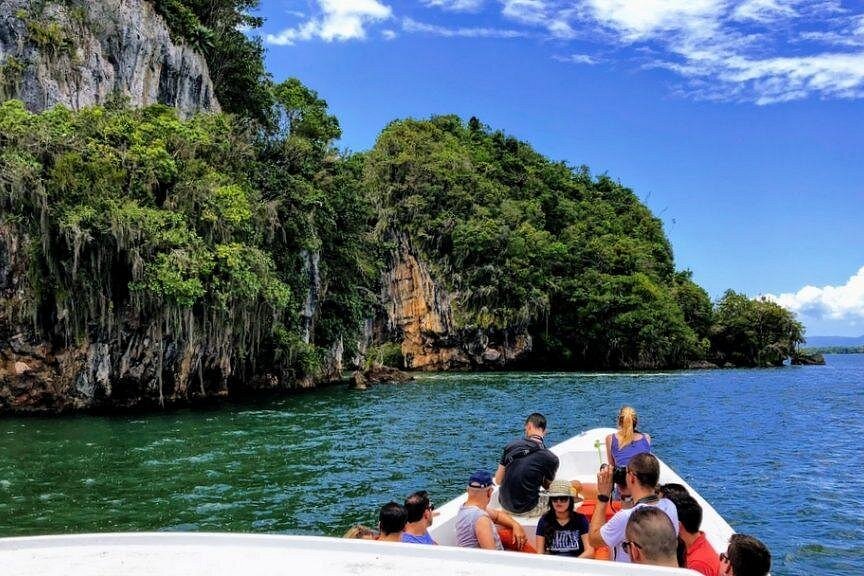
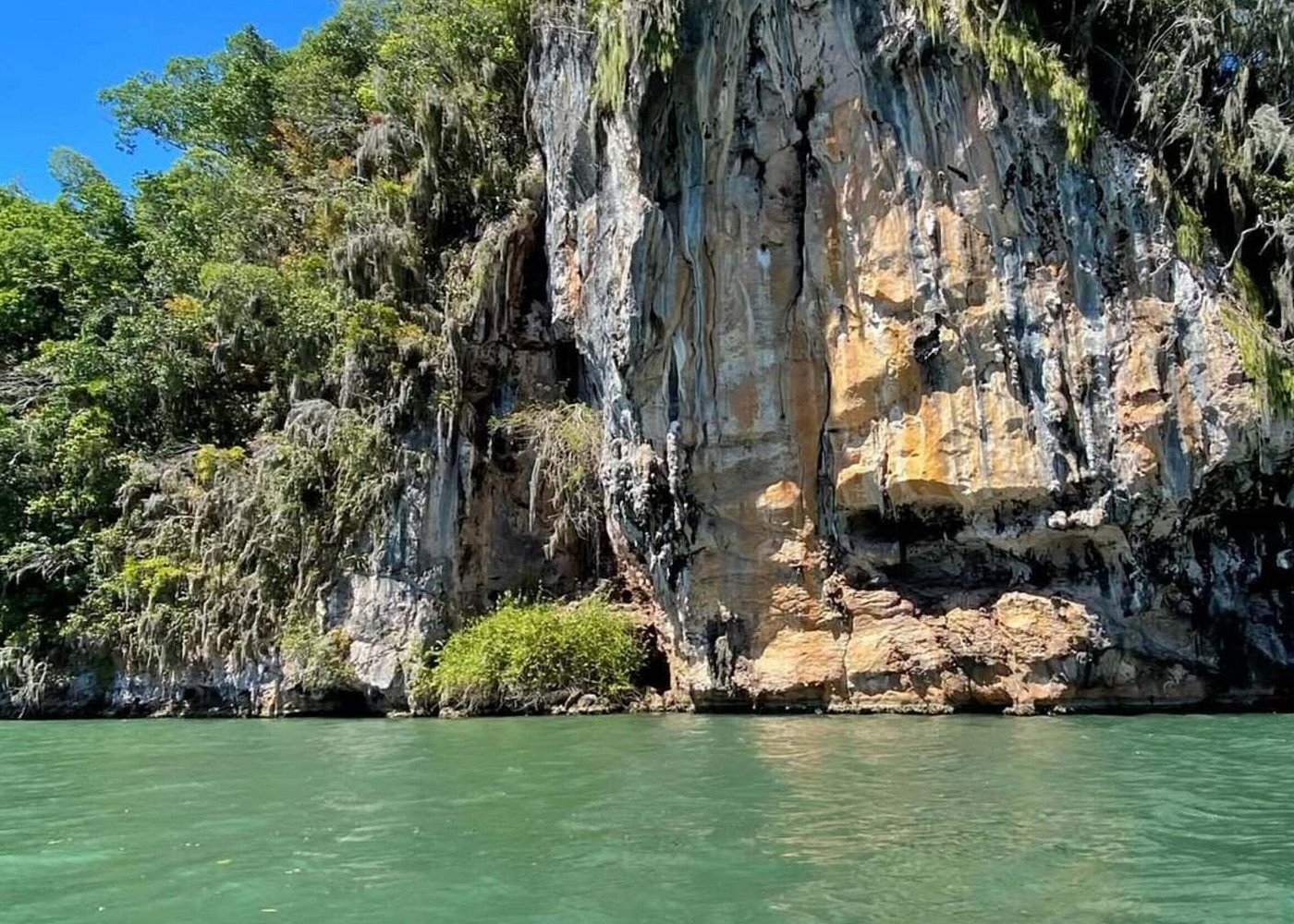
In Los Haitises National Park, forest regeneration is especially interesting because the landscape combines tropical broadleaf forests, limestone mogotes, valleys, wetlands and mangrove ecosystems. Different habitats recover in different ways, and the history of land use can influence how quickly vegetation returns.
Research conducted in the Los Haitises region has examined forest recovery after agricultural abandonment, changes in soil conditions and regeneration within mangrove forests. These studies show that natural recovery is possible, but it does not always happen in the same way or at the same speed.
This guide explains how forest regeneration works in Los Haitises, why seeds and seedlings matter, what can slow recovery and how conservation and restoration can support native vegetation.
1. What Is Forest Regeneration?
Forest regeneration is the process through which new trees and other vegetation become established and replace older or damaged plants.
It can happen naturally or with human assistance.
Natural regeneration occurs when plants establish themselves without deliberate planting. Seeds may arrive from nearby trees, be carried by animals or water, or already be present in the soil.
Assisted natural regeneration involves protecting or encouraging vegetation that is already beginning to recover. This may include controlling damaging disturbances or reducing competition from aggressive plants.
Active restoration involves deliberate intervention, such as planting suitable native trees where natural recovery is limited.
All three approaches can contribute to forest recovery, but the most appropriate method depends on the condition of the habitat.
In Los Haitises, regeneration must be understood in relation to the park's distinctive karst landscape, native vegetation and history of land use.
2. Why Forest Regeneration Matters in Los Haitises
The forests of Los Haitises provide habitat for birds, reptiles, insects and other wildlife. They also contribute to soil protection, nutrient cycling, water regulation and the ecological character of the limestone landscape.
When forest vegetation is damaged or removed, these functions can be affected.
Regeneration helps rebuild forest structure and restore ecological processes. New vegetation can gradually provide shade, produce leaf litter, stabilize soil and create habitat for other organisms.
The park's importance is not limited to the number of trees it contains. Its natural vegetation includes diverse native species and specialized plant communities associated with the karst environment.
Protecting forest regeneration therefore helps preserve the wider biodiversity of Los Haitises.
3. How Natural Forest Recovery Begins
Forest recovery can start in several ways.
Seeds from nearby trees
Mature trees produce seeds that can reach open areas through wind, gravity, water or animals. When a seed reaches a suitable location, it may germinate and develop into a seedling.
Nearby intact forest can be an important source of these seeds.
Seed dispersal by wildlife
Birds and other animals can move seeds between habitats. Some plants produce fruits that attract animals, which may carry or deposit seeds in different locations.
This process can connect forest patches and help vegetation establish in areas where plants have been removed.
Seeds already present in the soil
Some habitats contain seeds that remain viable for a period before germinating. These stored seeds are often described as part of the soil seed bank.
The importance of this seed bank varies among species and sites. Not every forest plant produces seeds that remain viable in the soil for long periods.
Vegetative regeneration
Some plants can produce new shoots from surviving roots, stems or other plant structures. This allows vegetation to recover even when new seeds are not the main source of growth.
The relative importance of these processes depends on the species, habitat and disturbance history.
4. The Importance of Native Seed Sources
Natural regeneration is strongly influenced by the availability of seeds.
A nearby mature forest can provide seeds that help surrounding areas recover. If an open site is close to intact vegetation, seeds may arrive more easily than in an isolated clearing.
A biodiversity survey and restoration assessment for Los Haitises recommended protecting the remaining relatively intact forest fragments because they could act as source areas for future recovery of plant and animal communities.
The report also noted that some degraded valleys might require native planting where natural seed sources were unavailable.
This illustrates an important conservation principle: existing mature forest has value beyond the trees growing within it. It can also help supply the seeds needed for regeneration elsewhere.
Protecting intact forest fragments should therefore be a priority alongside restoring degraded areas.
5. How Seedlings Become Part of a New Forest
A seedling is a young plant that has developed from a germinated seed.
The seedling stage is one of the most important periods in forest regeneration because young plants are sensitive to environmental conditions.
Their survival can depend on:
- Available sunlight.
- Soil moisture.
- Nutrient availability.
- Competition from grasses, ferns and other vegetation.
- Temperature and exposure.
- Herbivory and physical disturbance.
- The availability of suitable rooting space.
Some seedlings grow well in open areas, while others require shaded conditions beneath existing vegetation.
As seedlings survive and grow, they may develop into saplings and eventually mature trees. However, many young plants do not reach adulthood.
For this reason, counting seedlings alone is not enough to determine whether a forest is recovering successfully. Researchers also need to monitor survival, growth, species composition and the development of larger vegetation.
6. How Past Land Use Influences Forest Recovery
The history of a site can strongly influence what happens after agricultural activity stops.
Land used for pasture may have compacted soil and extensive grass or fern cover. A former mixed-cropping area may retain fruit trees, shrubs or other vegetation. An abandoned cacao plantation may still contain mature planted trees that influence the light and structure of the recovering forest.
A biological survey carried out in Los Haitises during the 1990s examined several habitat types, including:
- Abandoned pastures.
- Young and older mixed-cropping areas known as conucos.
- Abandoned cacao plantations.
- Remnant mature forest.
- Vegetation on mogote tops.
Researchers established permanent monitoring plots to examine how previous land use influenced plant and animal communities.
The findings helped demonstrate that the park contained a mosaic of habitats at different stages of recovery rather than a uniform forest landscape.
This history matters because two areas that appear similarly open today may have very different recovery potential depending on how they were previously used.
7. Why Some Areas Recover More Slowly Than Others
Natural regeneration is not guaranteed simply because human activity stops.
Some disturbed areas develop conditions that make it difficult for forest vegetation to return.
Persistent grasses
Certain pasture grasses can form dense cover and compete with young trees for light, water and nutrients.
The Los Haitises biodiversity assessment specifically identified Brachiaria decumbens, locally referred to in the report as pelúa, as a grass that could significantly retard forest regeneration in abandoned pastures.
Dense fern cover
Ferns can dominate disturbed sites and occupy space where tree seedlings might otherwise establish.
Their effects vary by species and habitat, but extensive fern cover can become one of the barriers to forest recovery.
Soil compaction
Repeated livestock movement or heavy disturbance can compact soil, affecting water movement and the ability of roots to grow.
Limited seed arrival
A site far from mature native forest may receive fewer seeds of native tree species.
Changes in soil conditions
Agricultural use can alter organic matter, nutrient availability, moisture and other soil characteristics. These changes may influence which plants can establish successfully.
The combination of these factors helps explain why some abandoned areas recover naturally while others may need additional conservation intervention.
8. What Soil Research Reveals About Forest Recovery
Soil is an important part of forest regeneration.
A study published in 2005 examined soil properties and nutrient processes in undisturbed forest, regenerating forest and active agricultural sites in the Los Haitises region.
The researchers found that regenerating forest sites had higher soil moisture and soil organic matter than agricultural sites. Several measures of microbial activity were also greater in regenerating forest soils.
The study reported that some soil properties and processes began to recover relatively quickly after agricultural abandonment. The regenerating sites had been out of agricultural use for approximately five to seven years before the research.
However, the researchers also noted that recovery was not complete in every respect and that additional research was needed to understand longer-term changes.
This is important because forest regeneration is not only about the visible return of trees. Soil organisms, organic matter and nutrient cycling also contribute to the development of a functioning forest ecosystem.
9. How Forest Structure Develops Over Time
A regenerating forest usually changes in stages, although the process is not identical at every site.
Early vegetation
Grasses, herbs, ferns and small shrubs may dominate shortly after disturbance.
These plants can cover exposed ground and provide some protection against direct soil exposure. However, dense competition may also restrict the establishment of tree seedlings.
Young woody growth
As tree seedlings and shrubs survive, woody vegetation begins to develop. The site may gradually become more shaded, and the types of plants that can grow there may change.
Developing secondary forest
Larger trees and a more complex vegetation structure begin to emerge. Different plant heights and canopy layers may develop.
More mature forest conditions
Over longer periods, the forest may develop greater structural complexity and a plant community more similar to nearby mature forest.
However, secondary forest does not automatically become identical to old-growth forest. Differences in species composition, tree size, soil conditions and ecological relationships may remain for a long time.
10. Natural Regeneration in the Mangroves of Los Haitises
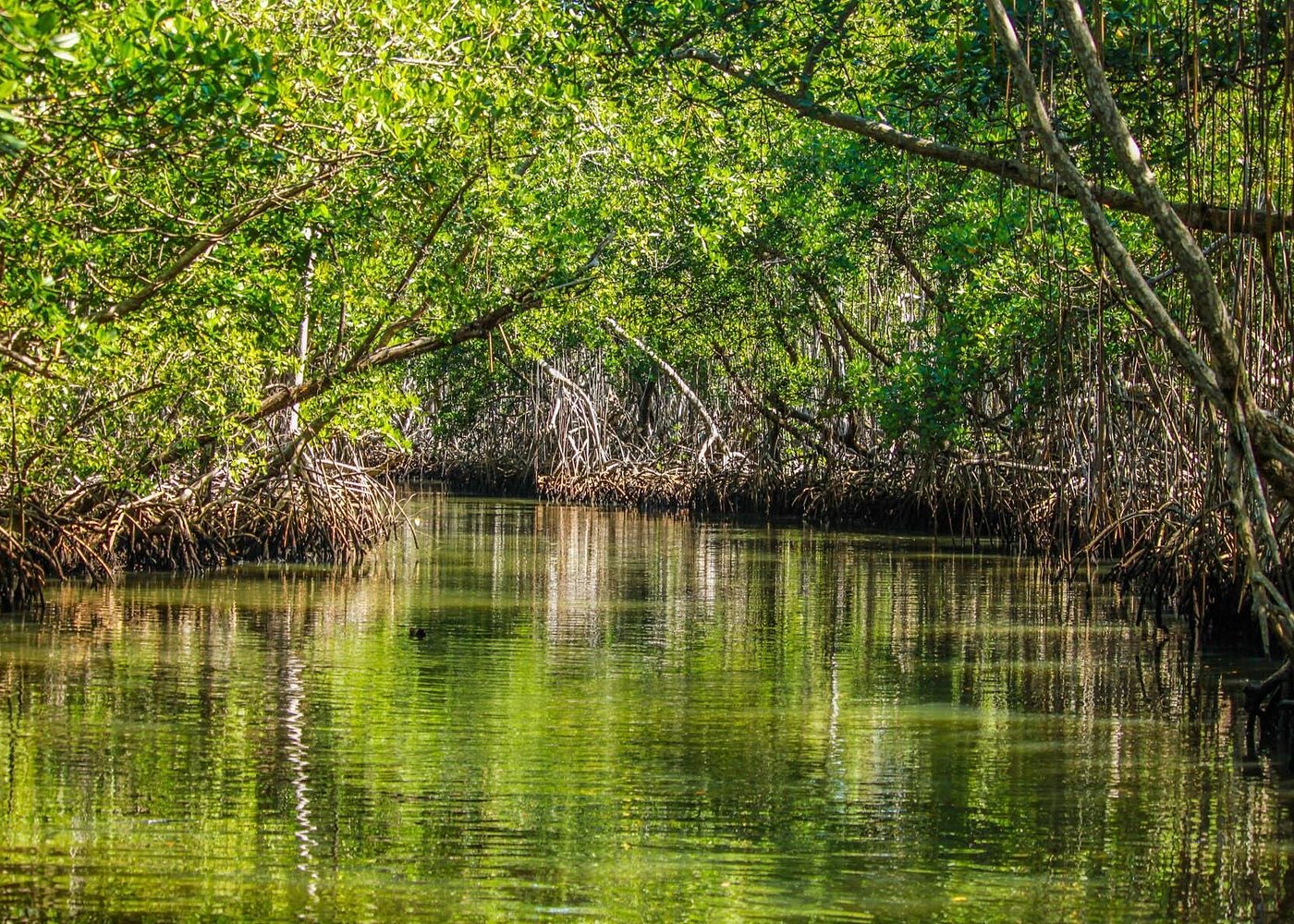
Forest regeneration also takes place in the park's coastal mangrove ecosystems.
Mangroves are different from inland tropical forests because they grow in tidal environments affected by saltwater, flooding, sediment and changing water levels.
A scientific study by Sherman, Fahey and Battles examined regeneration in a mangrove forest at the western end of Samaná Bay inside Los Haitises National Park.
The research investigated small canopy openings created by lightning. The authors found that the gaps influenced the growth and survival of mangrove saplings.
Red mangrove (Rhizophora mangle) was particularly successful in the observed gaps, where its regeneration was favoured by its tolerance of flooding conditions.
This study demonstrates that forest recovery is not always driven by human restoration activities. Natural disturbances can create openings that allow particular species to regenerate and influence the future structure of a forest.
The mangrove findings should not be applied automatically to inland forests, because tidal conditions and plant adaptations are different.
11. When Active Forest Restoration May Be Necessary
Natural regeneration is often an important and cost-effective way for forests to recover. However, some sites may not recover adequately without assistance.
Active restoration may be considered when:
- Natural seed sources are too distant.
- Persistent grasses or other vegetation prevent tree establishment.
- Soil conditions have been severely altered.
- Native plant populations have disappeared from the surrounding area.
- The site requires protection from repeated disturbance.
- Natural recovery is too slow to meet conservation objectives.
The Los Haitises biodiversity assessment recommended that restoration in some pasture areas could require aggressive management of persistent pasture grass and the planting of native species where natural seed sources were absent.
Such interventions should be based on site assessments rather than applied uniformly throughout the park.
Planting trees without understanding the original habitat can introduce unsuitable species or create vegetation that does not support the intended ecological recovery.
12. Choosing Native Species for Restoration
Native species are generally the appropriate starting point when the objective is to restore a natural forest ecosystem.
They are part of the region's ecological history and may provide food or habitat for local wildlife.
However, selecting restoration plants requires careful research.
A restoration team should consider:
- Whether the species naturally occurs in the target habitat.
- Whether the plant is suitable for the site's soil and moisture conditions.
- Whether local seed sources are available.
- Whether the species is appropriate for the ecological restoration objective.
- Whether its conservation status or collection rules require special attention.
A species that naturally grows on a limestone hilltop may not be suitable for a flooded wetland or mangrove environment.
The goal should be to restore the appropriate plant community, not simply to increase the number of planted trees.
13. How Animals Support Forest Regeneration
Animals can contribute to forest recovery by moving seeds between different habitats.
Birds, bats and other fruit-eating animals may consume fruits and deposit seeds elsewhere. This helps connect vegetation patches and can introduce plant species into recovering areas.
Animals can also influence regeneration through pollination and other ecological interactions.
As vegetation develops, recovering forest can provide additional food and shelter for wildlife. This may strengthen the ecological connections that support further regeneration.
However, the relationship is not always simple. Some animal-dispersed seeds may not reach suitable sites, and some seedlings may be eaten or damaged before they become established.
Successful forest recovery therefore depends on interactions among plants, animals, soil and environmental conditions.
14. How Researchers Monitor Forest Regeneration
Researchers need reliable observations to determine whether a forest is recovering.
A single visit may show that an area contains young trees, but it cannot establish how the vegetation has changed over time.
Monitoring may include:
Permanent vegetation plots: Researchers revisit the same locations to record changes in plant growth and species composition.
Seedling surveys: Young plants are counted and identified to understand recruitment.
Sapling measurements: Height, stem diameter and survival can help reveal whether young trees are progressing toward larger size classes.
Canopy observations: Changes in forest cover and light conditions can be recorded.
Soil analysis: Researchers may measure soil moisture, organic matter and other properties associated with forest development.
Remote sensing: Satellite imagery can help identify broad changes in forest cover over time, although field surveys are still needed to understand species composition and ecological condition.
Combining these methods gives a more complete picture of forest recovery.
15. Why Protecting Existing Forest Is Still Essential
Forest restoration should never be treated as a replacement for protecting intact natural forest.
A mature forest contains complex ecological relationships that take many years to develop. It may support specialized plants, wildlife, soil organisms and microhabitats that are difficult to recreate quickly.
Existing forest also provides seeds that can help nearby degraded areas recover.
The Los Haitises biodiversity assessment emphasized the importance of protecting the remaining relatively intact forest fragments because they could serve as source areas for future recovery of plant and animal communities.
This principle is especially important in a landscape where some valley forests are scarce or fragmented.
Preventing further damage to existing forest is therefore a central part of any long-term restoration strategy.
16. How Visitors Can Support Forest Recovery
Visitors can support conservation by avoiding actions that damage vegetation or interfere with natural regeneration.
Responsible practices include:
- Staying within authorized routes and visitor areas.
- Avoiding trampling seedlings and small plants.
- Never removing seeds, saplings or branches.
- Not introducing non-native plants or seeds.
- Preventing litter and other pollution.
- Following guide and park-authority instructions.
- Respecting areas closed for habitat protection or restoration.
Visitors should also avoid assuming that an open or grassy area is simply unused land. It may be a recovering habitat or an area managed for a particular conservation purpose.
Respecting the landscape allows natural ecological processes to continue with less disturbance.
17. The Future of Forest Regeneration in Los Haitises
The research conducted in Los Haitises provides valuable evidence about how vegetation responds to agricultural abandonment, soil changes and natural disturbances.
Future work could improve understanding of how different forest habitats recover and which interventions are most effective in degraded areas.
Important research priorities include:
- Updating vegetation surveys in recovering forest sites.
- Monitoring native seedling and sapling survival.
- Identifying areas where seed sources are limited.
- Studying the long-term effects of persistent pasture grasses.
- Comparing natural regeneration with active restoration.
- Monitoring mangrove recovery and canopy-gap dynamics.
- Assessing soil recovery alongside changes in vegetation.
- Protecting mature forest fragments that support natural seed dispersal.
The park's distinctive karst environment means that restoration approaches should be adapted to local conditions rather than copied without evaluation from unrelated tropical forests.
18. Protecting the Natural Recovery of Los Haitises
Forest regeneration is an essential ecological process in Los Haitises National Park. Seeds, seedlings, soil organisms, wildlife and natural disturbances all contribute to the development of recovering vegetation.
Research in the region shows that forests can begin to recover after agricultural abandonment, but the outcome depends on previous land use, seed availability, soil conditions and competition from other vegetation.
Some areas may recover naturally, while others require active restoration and protection.
The most important lesson is that successful conservation begins with protecting existing native forest. Mature vegetation supports biodiversity and provides the seeds and ecological conditions needed for future recovery.
By protecting forest habitats and allowing natural processes to continue, Los Haitises can maintain its ecological richness and support the long-term regeneration of its native vegetation.
Frequently Asked Questions
1. What is forest regeneration?
Forest regeneration is the process through which new trees and other vegetation become established and replace older or damaged plants. It can happen naturally or with human assistance.
2. Does forest regeneration occur naturally in Los Haitises?
Yes. Research in the Los Haitises region has documented forest recovery in areas where agricultural activities were abandoned. The rate and outcome of recovery vary by habitat and previous land use.
3. What is the difference between natural regeneration and forest restoration?
Natural regeneration happens without deliberate planting. Forest restoration is a broader process that may include protecting natural recovery, controlling damaging vegetation or planting suitable native species.
4. Why are native seed sources important?
Nearby mature trees can provide seeds that reach recovering areas. If seed sources are far away or absent, natural regeneration of native forest species may be limited.
5. What prevents forest regeneration?
Potential barriers include dense grasses, fern cover, soil compaction, repeated disturbance, limited seed arrival and unsuitable soil or moisture conditions.
6. Can abandoned agricultural land become forest again?
Yes. Research in Los Haitises has documented recovery in abandoned agricultural areas. However, the final vegetation may differ from mature natural forest, and some locations may need restoration assistance.
7. How long does forest regeneration take?
There is no single timeline. Early vegetation may appear relatively quickly, but developing a mature forest structure and diverse plant community can take many years or longer, depending on site conditions.
8. Do mangroves regenerate differently from inland forests?
Yes. Mangrove regeneration takes place in tidal environments affected by flooding, salinity and sediment. These conditions influence which species establish and survive.
9. Why should mature forest fragments be protected?
They provide habitat for biodiversity and can act as important seed sources for nearby recovering areas. They also contain ecological structures that may take a long time to develop.
10. How can visitors help forest regeneration in Los Haitises?
Visitors can stay on authorized routes, avoid trampling young plants, refrain from collecting vegetation, prevent littering and follow park conservation rules.
Final Thoughts
The regeneration of Los Haitises is a story of ecological recovery, but it is also a reminder that forests need suitable conditions to return.
Seeds must reach appropriate habitats, seedlings must survive, soil conditions must support growth and damaging disturbances must be controlled. In some locations, natural recovery may be sufficient; in others, restoration assistance may be needed.
Protecting mature forest and supporting native vegetation are essential to maintaining the park's natural heritage.
Los Haitises is not only a place of remarkable landscapes. It is also a living ecosystem where natural recovery processes help sustain tropical forest biodiversity.
Local explorer & expert guide in Whale Miches.