Family-Friendly Activities in Samaná: Things to Do with Kids 2026
Introduction: Discover Samaná with Your Family
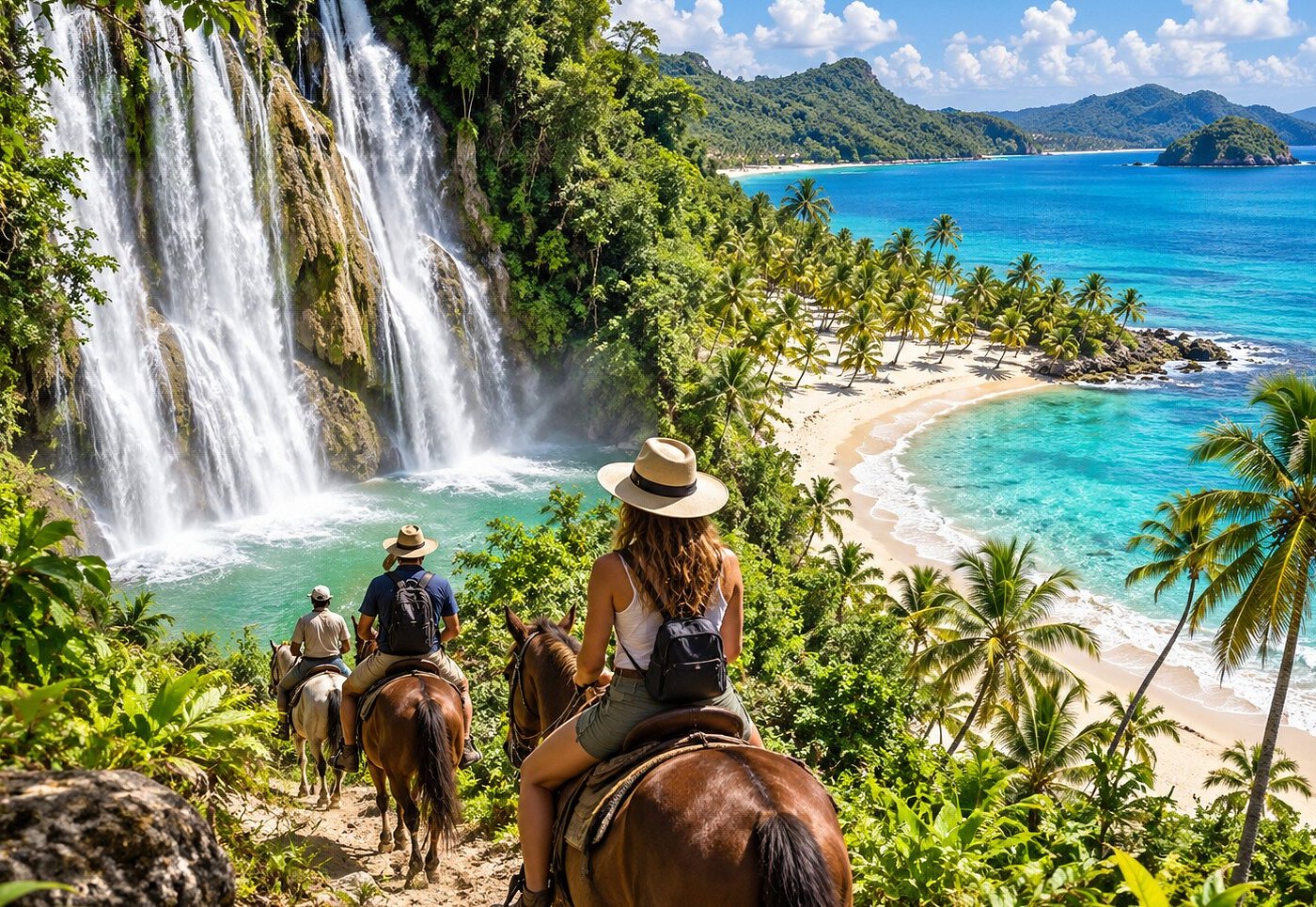
Planning a family holiday in the Dominican Republic The Samaná Peninsula is a wonderful destination for discovering tropical scenery, beautiful beaches, local culture, and fascinating wildlife.
Located in the northeastern part of the country, Samaná offers a combination of coastal towns, green mountains, historic landmarks, and natural attractions. Families can enjoy relaxed beach days, learn about marine animals, discover traditional Dominican food, and explore communities with distinctive cultural histories.
Unlike destinations focused mainly on large resorts, Samaná provides opportunities for children to learn about nature and experience everyday Dominican life.
Whether you are traveling with young children, school-age kids, or teenagers, the peninsula offers plenty of interesting sightseeing experiences.
This guide covers ten family-friendly activities in Samaná for 2026, together with practical information to help parents plan a comfortable and enjoyable holiday.
1. Enjoy the Beautiful Beaches of Las Terrenas
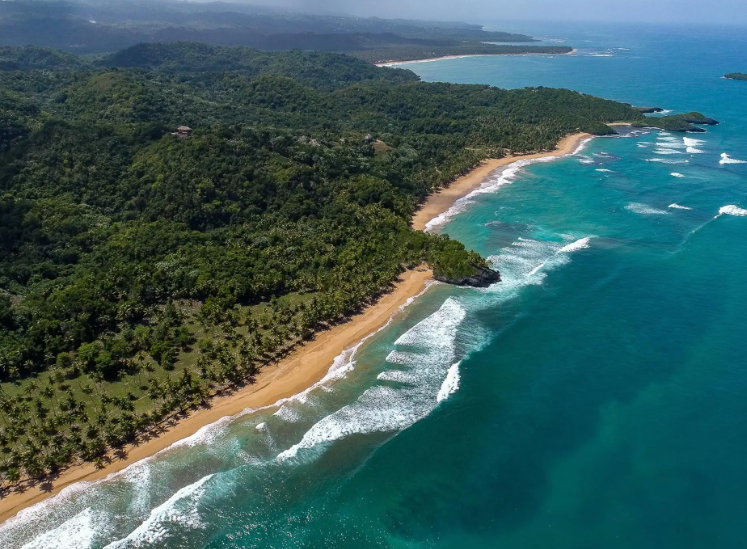
Las Terrenas is one of the most popular places for families visiting the Samaná Peninsula.
The town is known for its tropical beaches, relaxed atmosphere, restaurants, and beautiful coastal scenery.
Several beaches around Las Terrenas are worth including in a family sightseeing plan.
Playa Bonita
Playa Bonita is one of the best-known beaches in Las Terrenas.
It features attractive coastal scenery, palm trees, and a beautiful sandy shoreline. Families can enjoy the landscape, take photographs, and spend time together beside the sea.
Playa Las Ballenas
Playa Las Ballenas is another recognizable beach near the town.
Its location makes it convenient to include in a relaxed day exploring the Las Terrenas coastline.
Punta Popy
Punta Popy is a popular coastal area surrounded by restaurants and local businesses.
It provides an opportunity to enjoy the atmosphere of Las Terrenas while appreciating its beach environment.
Family tip: Beach conditions can change throughout the day. Parents should supervise children closely near the water, follow local warnings, and never assume that a beach is safe for swimming simply because the water looks calm.
2. Visit the Whale Museum in Santa Bárbara de Samaná
One of the most interesting educational attractions for children is the Whale Museum, known locally as Museo de las Ballenas.
Samaná Bay is internationally recognized for its connection with North Atlantic humpback whales.
These impressive marine mammals visit the region during their annual winter migration.
The Whale Museum provides an opportunity for children to learn about these animals without needing to participate in an outdoor excursion.
What Can Children Learn?
The museum introduces visitors to important aspects of humpback whale biology and behavior.
Children can discover:
- How humpback whales migrate.
- Why whales visit tropical waters.
- How whales communicate.
- How mother whales care for their calves.
- Why marine conservation is important.
The Famous Whale Skeleton
One of the museum's most recognizable exhibits is a complete humpback whale skeleton.
Seeing the enormous size of the animal can help children understand how impressive these marine mammals are.
When Is Whale Season?
Humpback whales generally visit Samaná Bay from mid-January through late March.
This seasonal event makes the winter months especially interesting for families learning about marine wildlife.
The museum is a particularly valuable stop for children who enjoy animals, science, and nature.
3. Explore the Waterfront of Santa Bárbara de Samaná
Santa Bárbara de Samaná is the provincial capital and an interesting place for families to discover local Dominican life.
The town has a beautiful waterfront, colorful buildings, and views of Samaná Bay.
Walk Along Avenida de la Marina
The waterfront promenade, Avenida de la Marina, is one of the most recognizable public areas in town.
Families can enjoy views of the bay, surrounding hills, boats, and the famous Samaná Bridge.
It is also a pleasant place to take family photographs.
Discover the Colorful Architecture
The town contains buildings influenced by different cultural traditions.
Children can notice colorful façades, traditional Caribbean design elements, and distinctive wooden architectural details.
Enjoy the Local Atmosphere
Exploring the town center provides opportunities to see everyday community life.
Families can discover local shops, public spaces, and small businesses while learning more about the identity of Samaná.
The waterfront is especially useful for a relaxed sightseeing experience that does not require a demanding schedule.
4. Discover the History of La Churcha
La Churcha, also known as St. Peter's Church, is one of the most important historical landmarks in Santa Bárbara de Samaná.
It provides an interesting opportunity for children to learn about the multicultural history of the peninsula.
A Connection with African American History
The history of La Churcha is closely connected with freed African Americans who settled in Samaná during the nineteenth century.
Their descendants helped shape the area's cultural and religious traditions.
Interesting Wooden Architecture
The present wooden church structure was shipped from England in sections and assembled in Samaná in 1901.
Its Victorian-inspired appearance makes it different from many other religious buildings in the Dominican Republic.
An Educational Family Visit
Parents can explain how migration and different cultural traditions influenced the history of Samaná.
Children can observe the building's architecture and learn why historic landmarks are important to local communities.
Visitors should respect the church, its congregation, and any religious activities taking place.
5. Explore Local Markets and Discover Tropical Fruits
Visiting a local market is a simple way for families to experience everyday Dominican culture.
The public market in Santa Bárbara de Samaná is an interesting place to discover regional products and traditional ingredients.
What Can Children Discover?
Markets provide an opportunity to see the variety of fruits, vegetables, and food products found in the region.
Children may recognize familiar tropical fruits such as:
- Mangoes.
- Bananas.
- Pineapples.
- Papayas.
- Coconuts.
- Avocados.
Parents can turn the visit into a small learning experience by introducing children to unfamiliar fruits and explaining how tropical ingredients are used in local cooking.
Learn About Local Food Traditions
Markets also help visitors understand the relationship between local ingredients and Dominican cuisine.
Children can learn that many traditional dishes use rice, beans, plantains, seafood, and coconut.
A market visit offers a cultural experience that is different from spending the entire holiday in tourist areas.
6. Discover the Natural Scenery of Playa Rincón
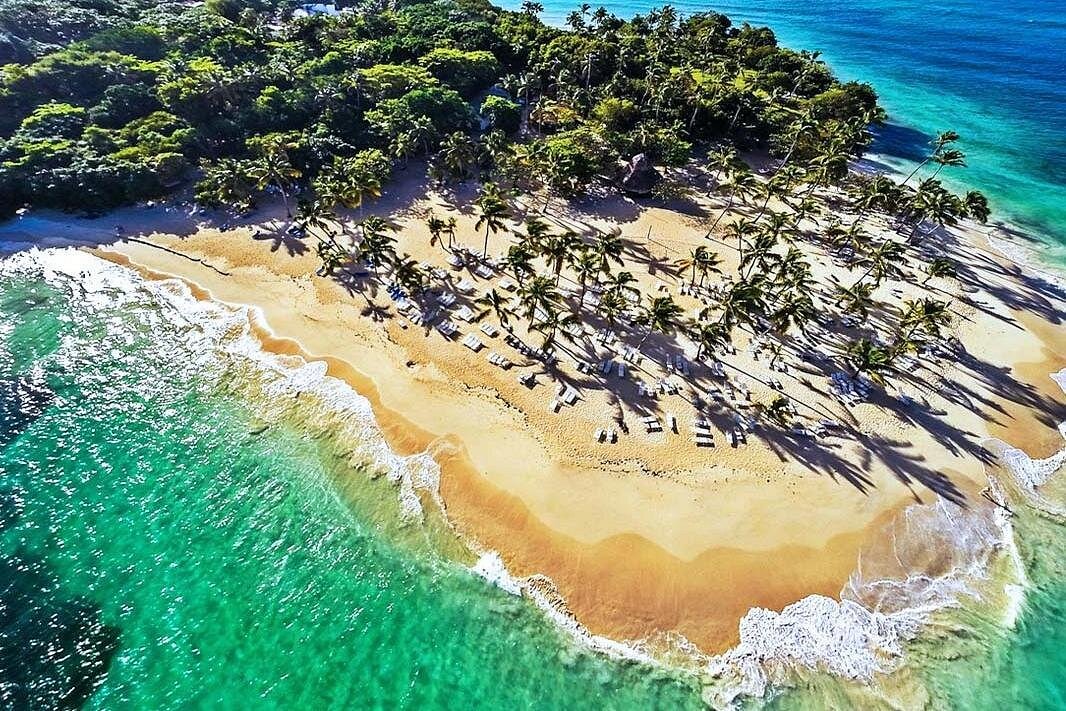
Playa Rincón is one of the most beautiful beaches in the Dominican Republic.
Located near Las Galeras, this well-known coastal destination is famous for its long sandy shoreline, turquoise water, and tropical vegetation.
It is an excellent place for families to appreciate the natural scenery of Samaná.
Beautiful Coastal Views
The beach features:
- Pale sandy coastline.
- Coconut palm trees.
- Green tropical vegetation.
- Turquoise and deep-blue sea views.
- The surrounding landscape of Bahía de Rincón.
Children can enjoy the scenery, take family photographs, and learn about the coastal environment.
Discover Caño Frío
Caño Frío is a freshwater stream associated with the western end of Playa Rincón.
Its surrounding vegetation and connection with the sea make it an interesting natural feature.
Parents can explain how freshwater and coastal ecosystems are connected.
A Nature Appreciation Experience
Families can use the visit to teach children about keeping beaches clean, respecting wildlife, and protecting natural habitats.
Important: Playa Rincón is a natural coastal environment, not a supervised swimming facility. Check local conditions and warnings, and keep children under close adult supervision around the shoreline and freshwater areas.
7. Explore the Cultural Side of Las Terrenas
Las Terrenas is known for its multicultural atmosphere and attractive coastal setting.
It combines traditional Dominican community life with international influences.
Families can enjoy exploring the town at a relaxed pace.
Discover the Town Center
The central area has shops, cafés, bakeries, and local businesses.
Walking through the streets provides an opportunity to see the everyday atmosphere of the town.
Visit Local Bakeries
Las Terrenas has a varied food culture influenced by Dominican and international traditions.
Families can discover different breads, pastries, and traditional sweets at local bakeries.
Learn About International Influences
Children can learn how different communities have contributed to the town's culture.
The local food, architecture, and languages reflect this multicultural character.
Exploring Las Terrenas is a useful way to introduce children to cultural diversity while enjoying a relaxed holiday atmosphere.
8. Enjoy Traditional Dominican Food with the Family
Food is an important part of the Samaná experience.
Traditional Dominican dishes introduce visitors to local ingredients, Caribbean cooking traditions, and regional flavors.
Families can explore different meals and discover new foods together.
La Bandera Dominicana
La Bandera is one of the best-known Dominican meals.
It usually includes white rice, beans, stewed meat, and salad.
Its familiar ingredients make it a useful introduction to traditional Dominican food.
Mangú
Mangú is made from boiled and mashed green plantains.
It is commonly served for breakfast with eggs and cheese.
Tostones
Tostones are prepared from green plantains that are flattened and fried.
They are a familiar side dish in Dominican cuisine.
Pescado con Coco
Pescado con coco is a traditional regional specialty associated with Samaná.
It combines fish with a coconut-based sauce and reflects the importance of coconut in local cooking.
Fresh Tropical Fruit
Fresh fruit is another enjoyable part of the regional food experience.
Children can discover different tropical fruits and learn about their flavors and origins.
Family food tip: Ask restaurant staff about ingredients, especially when children have food allergies or particular dietary requirements. Choose clean establishments that serve freshly prepared meals.
9. Discover the Natural and Cultural Heritage of Los Haitises
Los Haitises National Park is one of the most important protected natural areas in the Dominican Republic.
It is known for limestone formations, mangrove ecosystems, tropical forests, and remarkable biodiversity.
For families interested in geography, wildlife, and history, the park is an interesting educational subject and a highlight of the wider Samaná region.
Learn About Limestone Formations
The park contains distinctive limestone hills called mogotes.
These formations create an unusual landscape and provide an opportunity to explain how natural geological processes shape the environment.
Discover Mangrove Forests
Mangroves are important coastal ecosystems.
They provide habitats for wildlife, support biodiversity, and contribute to the health of coastal environments.
Children can learn why protecting mangrove forests is important.
Understand Taíno Heritage
Some caves in Los Haitises contain pre-Columbian paintings and carvings associated with the Taíno people.
These historical remains provide an introduction to the Indigenous history of the Dominican Republic.
Learn About Wildlife
The park is home to different bird species and other wildlife.
Families can learn about the importance of biodiversity and responsible conservation.
Visitors should follow official park guidance and choose only age-appropriate, supervised educational experiences.
10. Enjoy Family Photography and Nature Observation
Not every family activity needs to involve a scheduled attraction.
The Samaná Peninsula offers beautiful scenery that makes simple sightseeing enjoyable.
Families can create memorable experiences by observing the natural environment together.
Photograph Tropical Landscapes
The beaches, mountains, palm trees, and colorful communities provide excellent opportunities for family photographs.
Children can also enjoy taking their own landscape pictures.
Observe Local Birds
The region supports a variety of bird species.
Families can observe birds from appropriate public viewpoints without disturbing their natural habitats.
Learn About Coastal Ecosystems
Parents can introduce children to basic environmental concepts while exploring the coastline.
Topics can include:
- Why beaches change over time.
- How mangroves support wildlife.
- Why clean water matters.
- How coastal plants protect natural habitats.
- Why litter can harm marine animals.
Create a Family Travel Journal
Children can record their favorite places, draw landscapes, collect non-protected observations, and write about the foods they tried.
This simple activity can make a family holiday more educational and memorable.
Best Time to Visit Samaná with Children in 2026
Samaná has a humid tropical climate, with warm temperatures throughout the year.
However, rainfall and seasonal conditions can influence family sightseeing plans.
December to April
This period is generally popular with visitors because rainfall is comparatively lower in many parts of the region.
It is a favorable time for exploring towns, appreciating beaches, and visiting cultural attractions.
The humpback whale season also takes place during part of this period, generally from mid-January through late March.
May to November
Rainfall is generally more frequent during these months.
The landscape often becomes greener, but families should pay attention to weather forecasts when planning outdoor visits.
June to November
This period overlaps with the Atlantic hurricane season.
Parents should monitor official weather information and follow local guidance during periods of tropical weather.
Family Travel Recommendation
For families who want to combine sightseeing with the seasonal whale education exhibits and comfortable outdoor conditions, January through March is an interesting period to consider.
However, the best travel dates depend on school holidays, weather conditions, and family

Local explorer & expert guide in Whale Miches.