Saona Island Seasickness Tips: How to Prepare for a Boat Trip
A trip to Saona Island can be a highlight of a Dominican Republic holiday, but the boat journey may be a concern if you are prone to seasickness. Even travelers who enjoy beaches and tropical destinations can feel uncomfortable when a boat moves with the waves.
The good news is that planning ahead may help you manage motion sickness and enjoy your excursion more comfortably. Understanding the type of boat, preparing before departure, and knowing what to do if you begin to feel unwell can make a difference.
This guide covers practical Saona Island seasickness tips, questions to ask your tour operator, and ways to prepare for a boat trip. These suggestions are general travel guidance, not a guarantee that seasickness can be prevented.
Can You Get Seasick on a Saona Island Tour?
Yes. Seasickness is a form of motion sickness that can occur when your body experiences movement that does not match what your eyes and balance system perceive.
Symptoms may include nausea, dizziness, sweating, headache, tiredness, and vomiting. Some people experience only mild discomfort, while others may find boat travel difficult.
Whether you feel seasick during a Saona Island excursion depends on several factors, including the sea conditions, the type of boat, the length of the journey, and your personal sensitivity to motion.
A calm day does not guarantee that nobody will feel unwell. Similarly, not everyone who has experienced motion sickness before will necessarily become seasick on every trip.
If you are concerned, it is worth discussing your needs with the tour operator before booking.
1. Check the Type of Boat Before Booking
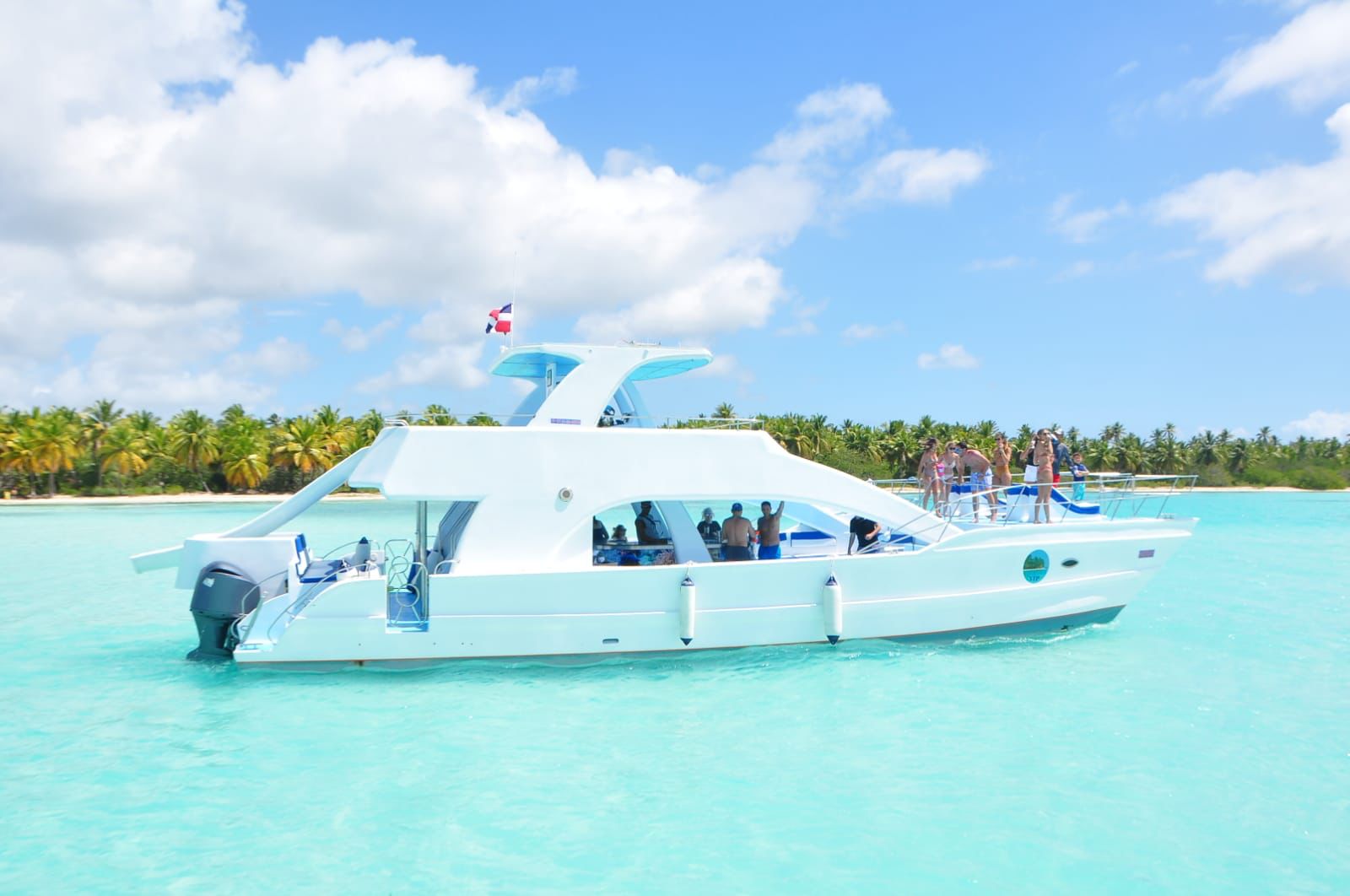
Different Saona Island excursions may use different types of boats, and the experience can vary.
Some tours use speedboats, while others use catamarans or other vessels. Boat type alone cannot guarantee a comfortable journey because motion also depends on weather, waves, the vessel's design, and the route.
Before choosing a tour, ask:
- What type of boat is used for the journey?
- Approximately how long is each boat segment?
- Are there long periods of travel without a shore stop?
- What happens if sea conditions are rough?
- Can passengers request a particular seating area?
- Is there an alternative itinerary if conditions change?
Be honest about your history of motion sickness. An operator may be able to explain the available options, although it cannot guarantee that you will remain symptom-free.
Choose a trip based on the actual itinerary and your comfort needs rather than assuming that one boat type is always best.
2. Get Enough Rest Before Your Excursion
Feeling tired may make it harder to cope with travel discomfort. Before your Saona Island trip, try to get a normal night's sleep and avoid starting the day already exhausted.
If your excursion begins early, prepare your belongings the night before so you do not have to rush in the morning.
Avoid excessive alcohol before traveling, as it can contribute to dehydration and make you feel worse. If you know that certain foods or drinks tend to trigger nausea for you, take that into account when planning your morning.
You do not need to follow an extreme routine. The goal is to start the journey rested, comfortable, and prepared.
3. Eat Sensibly Before Boarding
Travelers sometimes wonder whether they should skip breakfast to prevent seasickness. However, traveling on a completely empty stomach may not be comfortable for everyone.
Consider having a light meal or snack that you know you tolerate well before departure. Avoid eating a very large, heavy, or greasy meal immediately before boarding if these foods tend to upset your stomach.
Drink water regularly, without forcing yourself to drink excessive amounts at once.
Food choices are individual, so use what you already know about your own digestion. If you have a medical condition or dietary requirement, follow your healthcare professional's guidance.
If meals or drinks are included in your excursion, check the tour details beforehand rather than assuming what will be available.
4. Choose Your Seat Thoughtfully
Where you sit may affect how comfortable you feel, although the best position depends on the boat and the conditions.
On many boats, passengers who are sensitive to motion may find a position near the center of the vessel more comfortable because movement can feel less pronounced there. This is not a guarantee, and seating arrangements differ.
When boarding:
- Ask the crew whether there is a recommended seating area for motion-sensitive passengers.
- Choose a stable, permitted seat where you can remain comfortably seated.
- Avoid moving around unnecessarily while the boat is underway.
- Follow instructions about seating, weight distribution, and passenger safety.
- Do not move to an exposed or restricted area to get a better view.
If you have concerns about where you can sit, ask the operator before departure. Never compromise safety to find a seat that feels more comfortable.
5. Look at the Horizon When Possible
For some people, looking at a stable point on the horizon can help reduce the mismatch between visual information and the sensation of movement.
If you begin to feel uncomfortable, try looking ahead toward the distant horizon when it is visible and safe to do so.
You may also want to avoid reading, scrolling on your phone, or looking at photographs for long periods while the boat is moving. These activities can worsen symptoms for some travelers.
Instead, sit comfortably, keep your head as steady as practical, and follow the crew's directions.
Do not stand up or move to another part of the boat just to improve your view if the crew has instructed passengers to remain seated.
6. Avoid Strong Smells and Unnecessary Discomfort
Strong smells can make nausea more unpleasant for some people. Fuel odors, food smells, perfumes, and other scents may be uncomfortable when you are already feeling motion sick.
If a smell is bothering you, ask the crew whether there is a safer or more comfortable place to sit.
Wear comfortable clothing suitable for the weather and bring sun protection. Excessive heat, discomfort, and dehydration can add to the difficulty of a boat journey.
Keep essential items within reach, but secure your belongings so they do not fall or become a hazard.
7. Should You Take Motion Sickness Medicine?
Some travelers use medicines to prevent or treat motion sickness. However, the right choice depends on your health, age, other medicines, and individual circumstances.
If you have experienced significant seasickness before, consider speaking with a pharmacist or healthcare professional before your trip. They can explain suitable options, when a product should be taken, possible side effects, and any precautions that apply to you.
Some motion sickness medicines can cause drowsiness or affect alertness. This matters during a boat excursion, particularly if you need to board or leave a vessel, supervise children, or participate in activities requiring coordination.
Do not take a medicine for the first time without understanding its instructions and potential effects. Follow the product label and professional advice, and do not combine medicines or alcohol in ways that may be unsafe.
If you are pregnant, have an existing medical condition, take other medication, or are choosing medicine for a child, seek individualized advice before using it.
Do not assume that every over-the-counter product is suitable for every traveler.
8. What Should You Pack for a Boat Trip?
A small, practical day bag can help you feel prepared.
Consider packing:
- Drinking water, subject to your tour's rules.
- Sun protection appropriate for the conditions.
- A hat and sunglasses that fit securely.
- Tissues and a small bag for rubbish.
- A waterproof pouch for your phone and important belongings.
- Any personal medication you normally need.
- Motion sickness medicine only if it is appropriate for you and you understand how to use it.
- A change of clothes if the tour itinerary makes one useful.
Keep your bag secure and avoid bringing unnecessary valuables.
Ask the tour operator whether there are restrictions on bags or items brought aboard. If you are concerned about vomiting, you can also ask discreetly whether the crew has a procedure for assisting passengers who become unwell.
9. What If You Start Feeling Seasick During the Journey?
If you begin to feel nauseated or dizzy, respond early rather than waiting until symptoms become severe.
Try the following:
- Tell a crew member that you are feeling unwell.
- Sit in the area the crew recommends.
- Look toward the horizon if it is visible and doing so is comfortable.
- Avoid reading or using your phone.
- Take small sips of water if you can tolerate them.
- Follow the crew's instructions and avoid moving around unnecessarily.
Do not leave your seat or move toward the edge of the boat without permission.
If symptoms are severe, persistent, or accompanied by concerning signs such as fainting, confusion, chest pain, or difficulty breathing, seek prompt medical assistance. Tell the crew immediately.
Never feel embarrassed about reporting symptoms. The crew needs to know when a passenger is unwell so that it can respond appropriately.
10. Ask About Weather and Sea Conditions
Weather and sea conditions can influence the comfort and safety of a boat journey. Conditions may change, and a forecast alone cannot guarantee how the sea will feel during the excursion.
Before departure, check any updates from your tour operator. Ask what happens if conditions become unsuitable for the planned route.
If the operator postpones, changes, or cancels an excursion because of conditions, follow its instructions and review the applicable booking policy.
Do not pressure the crew to continue an unsafe journey or to approach a destination against its safety judgment.
If you are especially sensitive to motion, you may wish to reconsider the trip when the operator reports unfavorable conditions. Your comfort and safety matter more than completing an itinerary exactly as advertised.
11. Are Speedboats or Catamarans Better for Seasickness?
There is no universal answer. The experience depends on the vessel, its design, the sea conditions, the route, and your own sensitivity to motion.
A speedboat and a catamaran may move differently through the water, but it is not accurate to promise that one will always cause less seasickness.
Instead of relying only on the boat's name, ask the operator about:
- The expected duration of the journey.
- The usual route and planned stops.
- Seating arrangements.
- Typical passenger capacity.
- What happens when conditions are uncomfortable or unsafe.
If you have a strong history of motion sickness, explain that before paying. The operator may help you determine whether its available excursion is a reasonable choice for you.
12. How to Plan a More Comfortable Saona Island Excursion
A little preparation can make the day less stressful.
Before booking, compare the boat type, travel duration, itinerary, and cancellation or change policies. Confirm the departure arrangements and any included services.
The day before your trip, get enough rest, check the latest operator instructions, and prepare your bag. On the morning of the excursion, eat and drink in a way that suits your normal needs.
During the journey, follow safety instructions, limit activities that worsen your symptoms, and let the crew know if you begin feeling unwell.
Most importantly, keep your expectations flexible. Your goal is not to force yourself through discomfort but to choose a suitable excursion and enjoy the parts of the experience that work for you.
Frequently Asked Questions
Can you get seasick on a Saona Island boat trip?
Yes. Motion sickness can occur on any boat journey, although not everyone experiences it. The likelihood and severity depend on personal sensitivity, vessel movement, and sea conditions.
What is the best way to prevent seasickness on a boat?
There is no guaranteed method. Getting adequate rest, eating a meal that you tolerate well, looking at the horizon when possible, and avoiding phone use while underway may help some travelers. Ask a healthcare professional about medication if you need individualized advice.
Should I take motion sickness medicine before a Saona Island tour?
That depends on the medicine and your circumstances. A pharmacist or healthcare professional can advise you on suitability, timing, side effects, and precautions. Follow the product instructions and do not assume every medicine is appropriate for you.
Is a catamaran always better than a speedboat for motion sickness?
No. Comfort varies by vessel, route, weather, and individual sensitivity. Ask the operator about the specific boat and journey rather than relying on a general rule.
What should I do if I feel sick while the boat is moving?
Tell a crew member, sit where recommended, and follow the safety instructions. Looking at the horizon and avoiding phone use may help some people. Seek prompt assistance if symptoms are severe or concerning.
Should I skip breakfast before a boat excursion?
Not necessarily. Some people find that a light, familiar meal is more comfortable than traveling on an empty stomach. Avoid foods that you know tend to trigger discomfort, and follow any individualized dietary advice you have received.
Can children experience seasickness on a Saona Island tour?
Yes. Children can experience motion sickness too. If you are traveling with a child who is prone to it, ask a healthcare professional about appropriate options and confirm the tour's safety arrangements with the operator.
Prepare for Your Saona Island Boat Trip
Seasickness does not have to be ignored when planning a Saona Island excursion. By checking the itinerary, understanding the boat arrangements, preparing sensibly, and asking for help when needed, you can make a more informed decision about your trip.
No preparation method can guarantee a symptom-free journey, and sea conditions may change. Choose an excursion that matches your needs, follow the crew's safety instructions, and prioritize your well-being throughout the day.
Visit Saona Island Beach for more travel inspiration and trip-planning information for your Dominican Republic holiday.
Plan ahead, travel comfortably, and give yourself the best opportunity to enjoy your Saona Island experience.
Local explorer & expert guide in Whale Miches.